
Last updated November 22, 2026
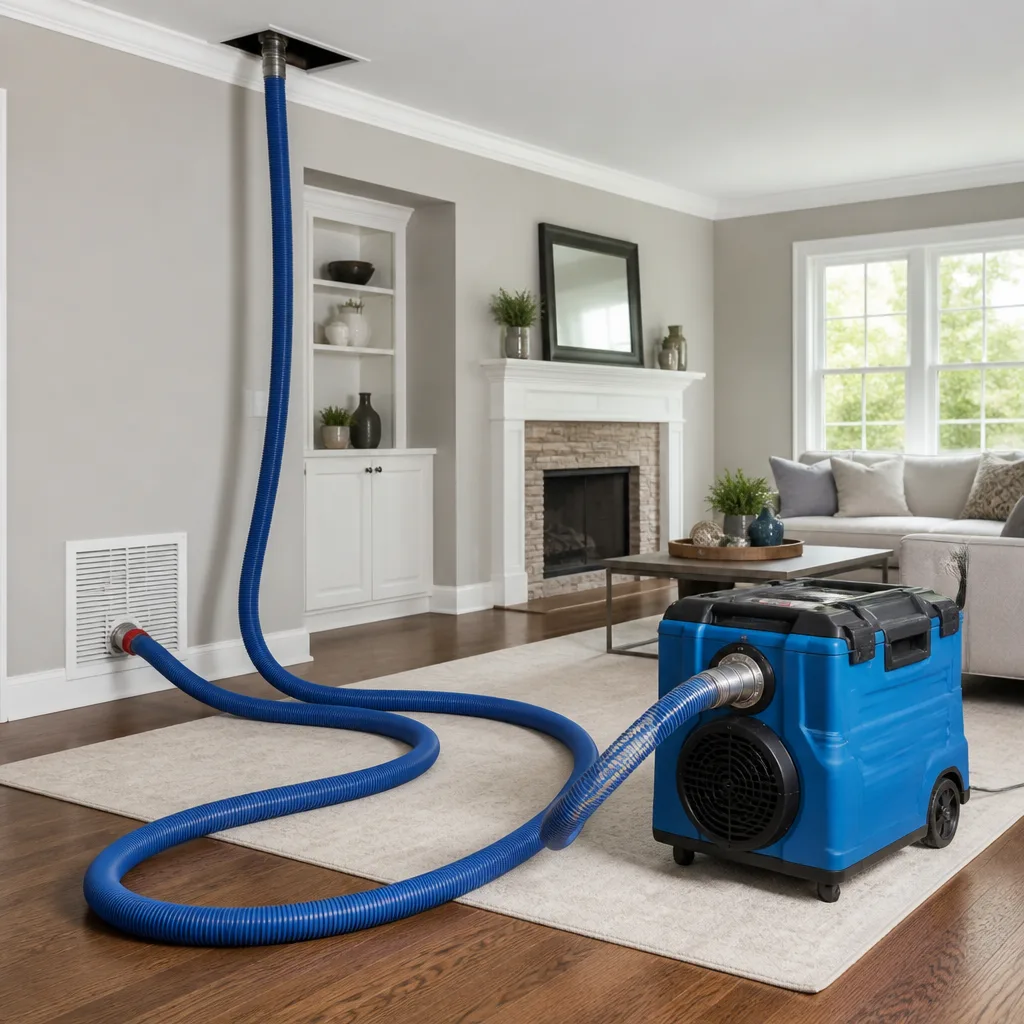 Whole-home duct cleaning
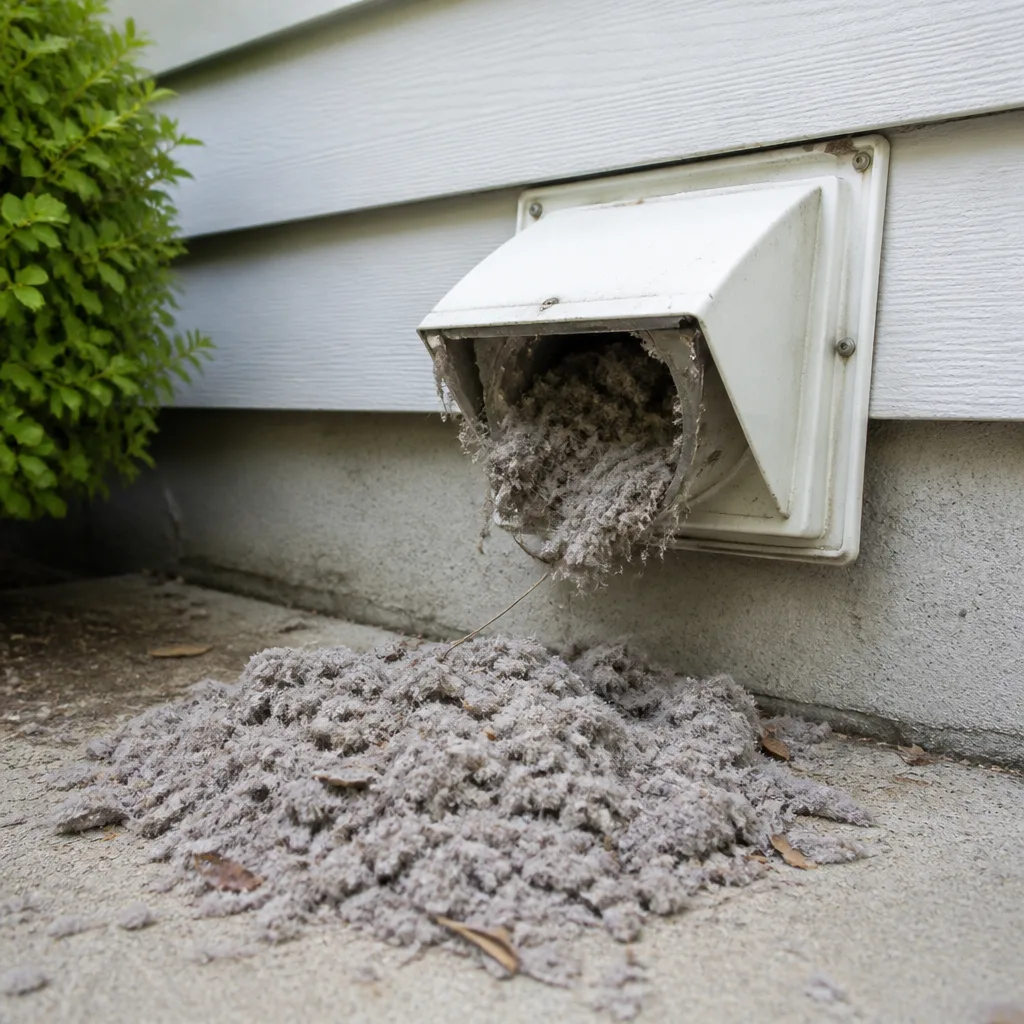 Dryer vent cleaning
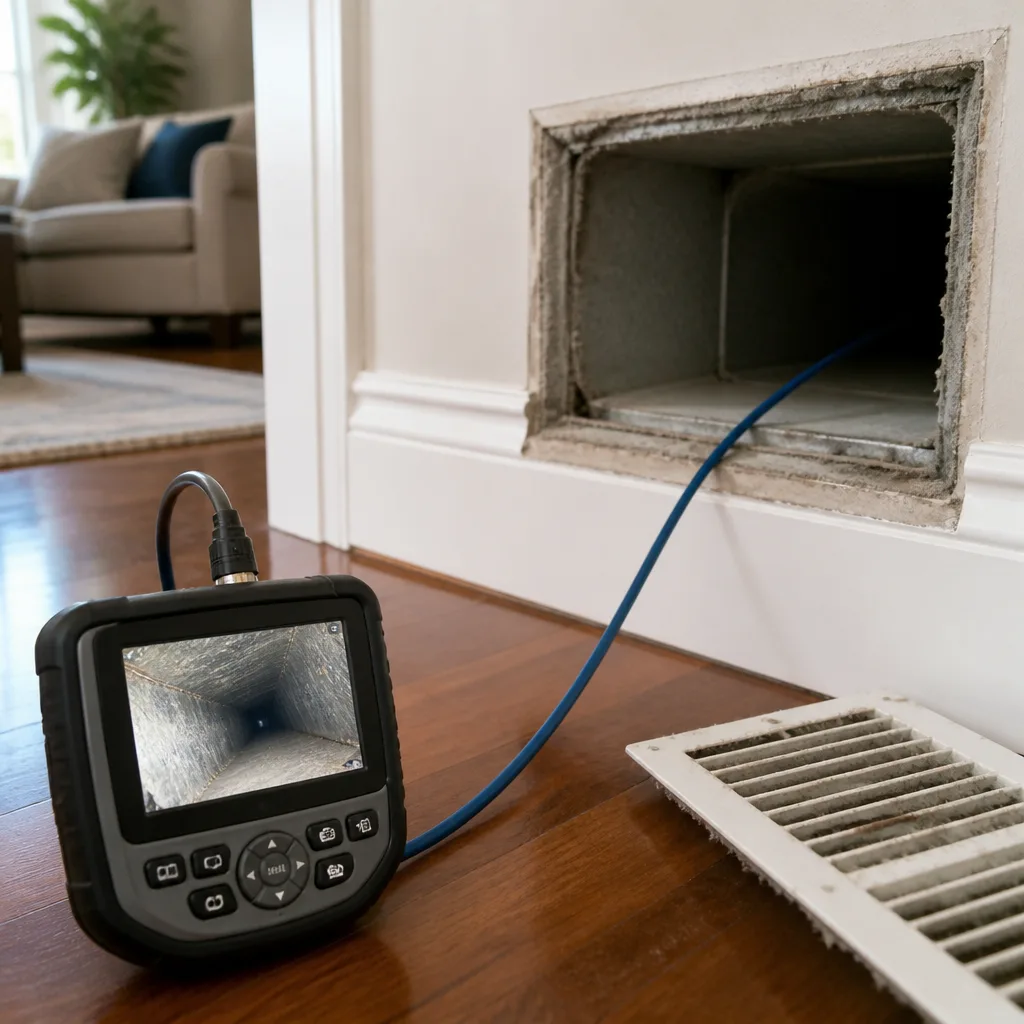 Camera inspection
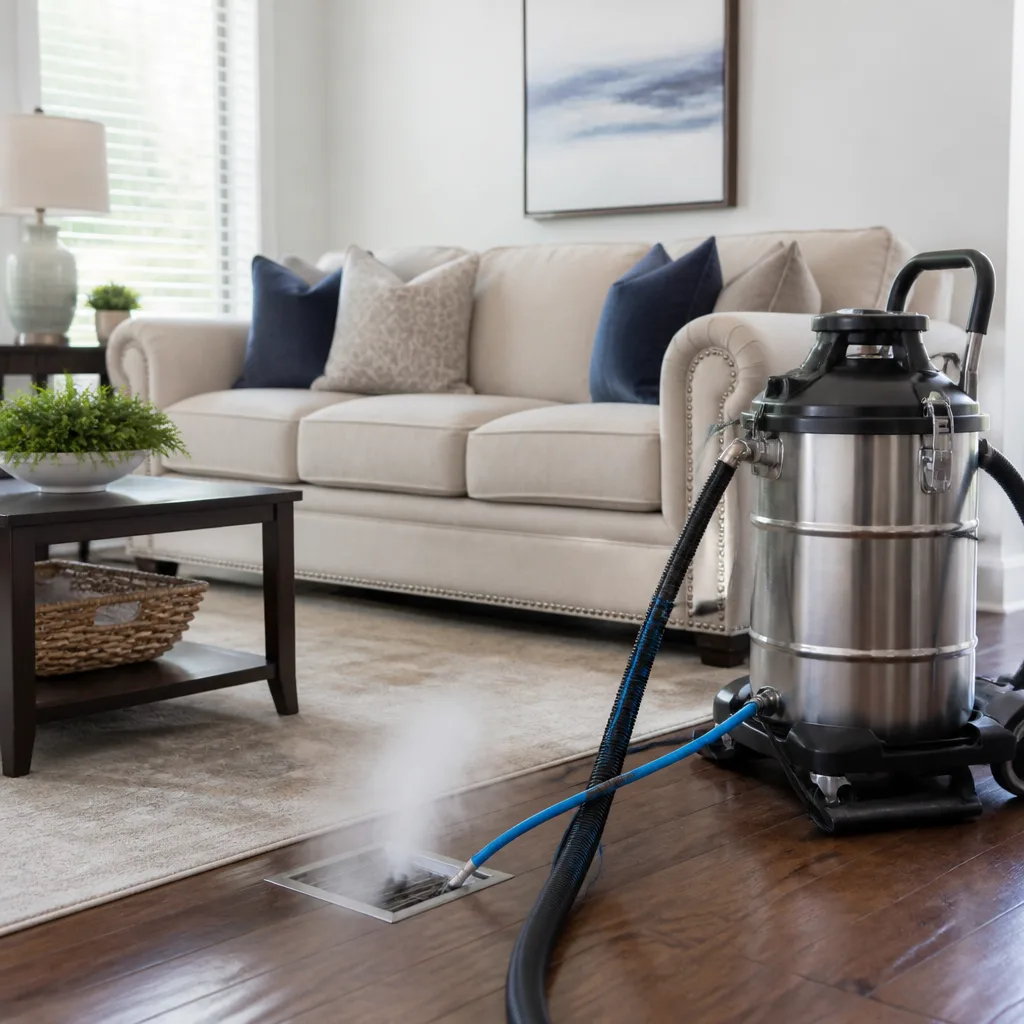 Sanitizing & deodorizing
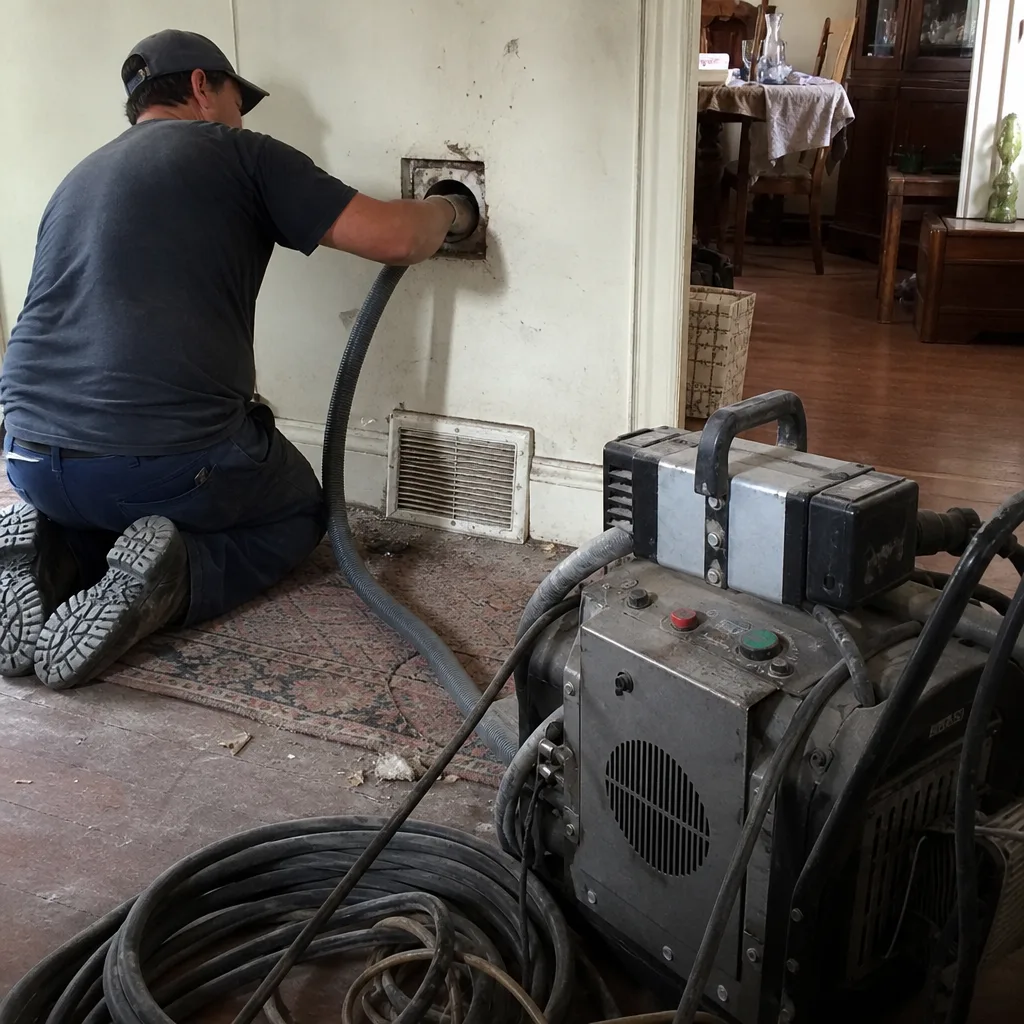
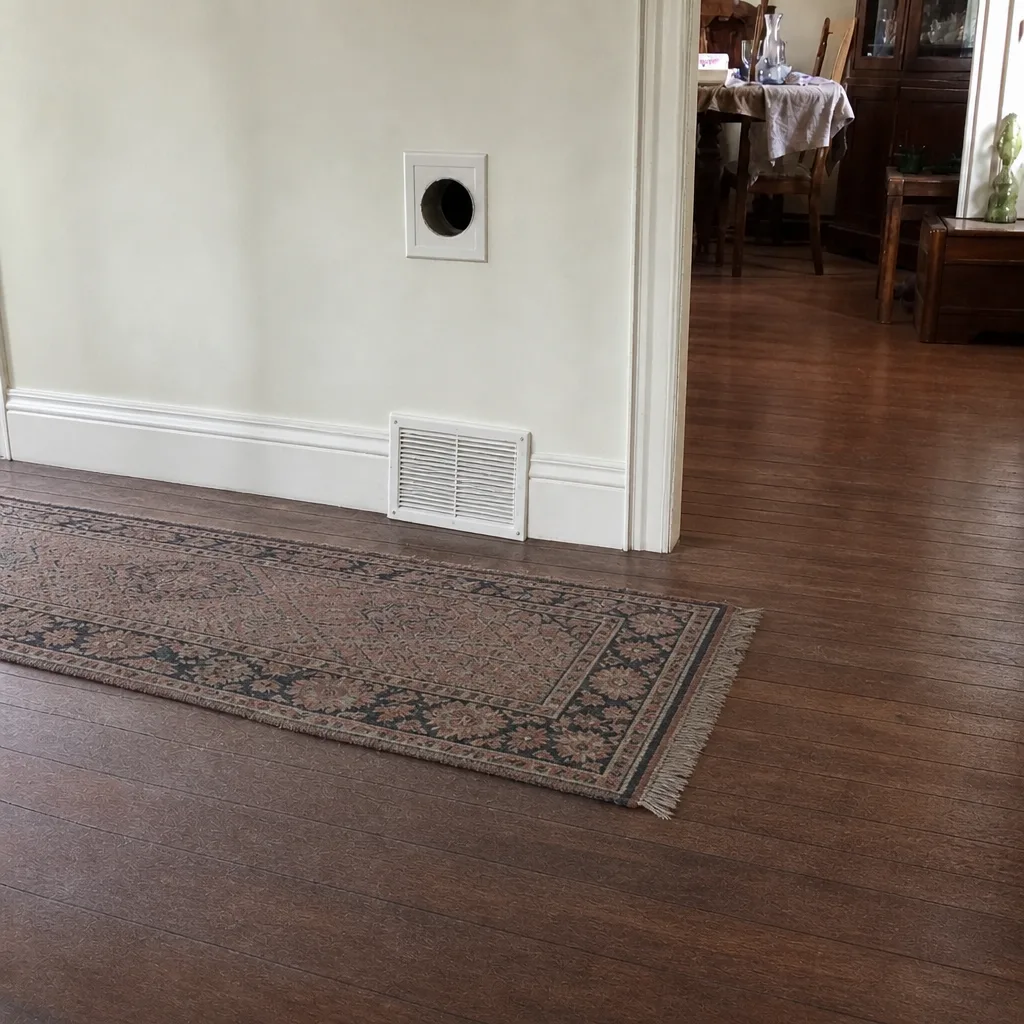
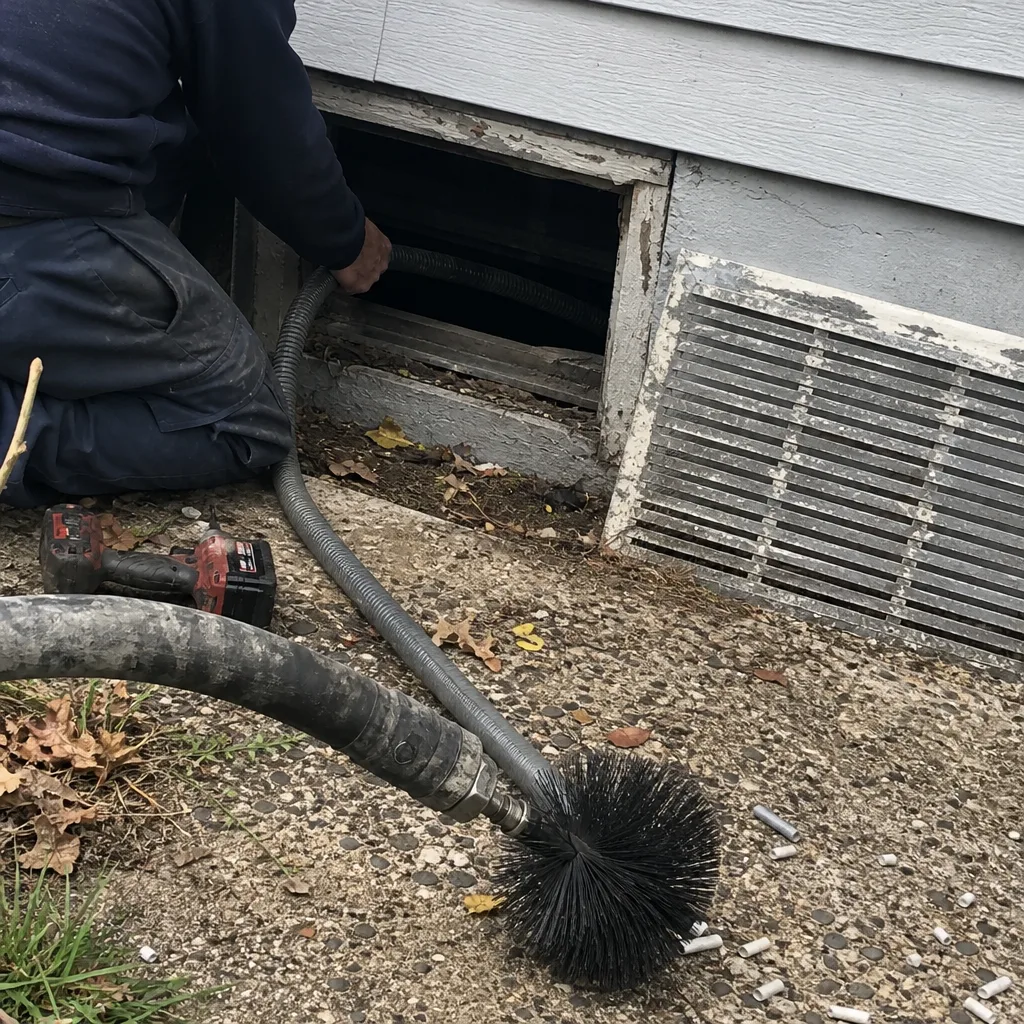
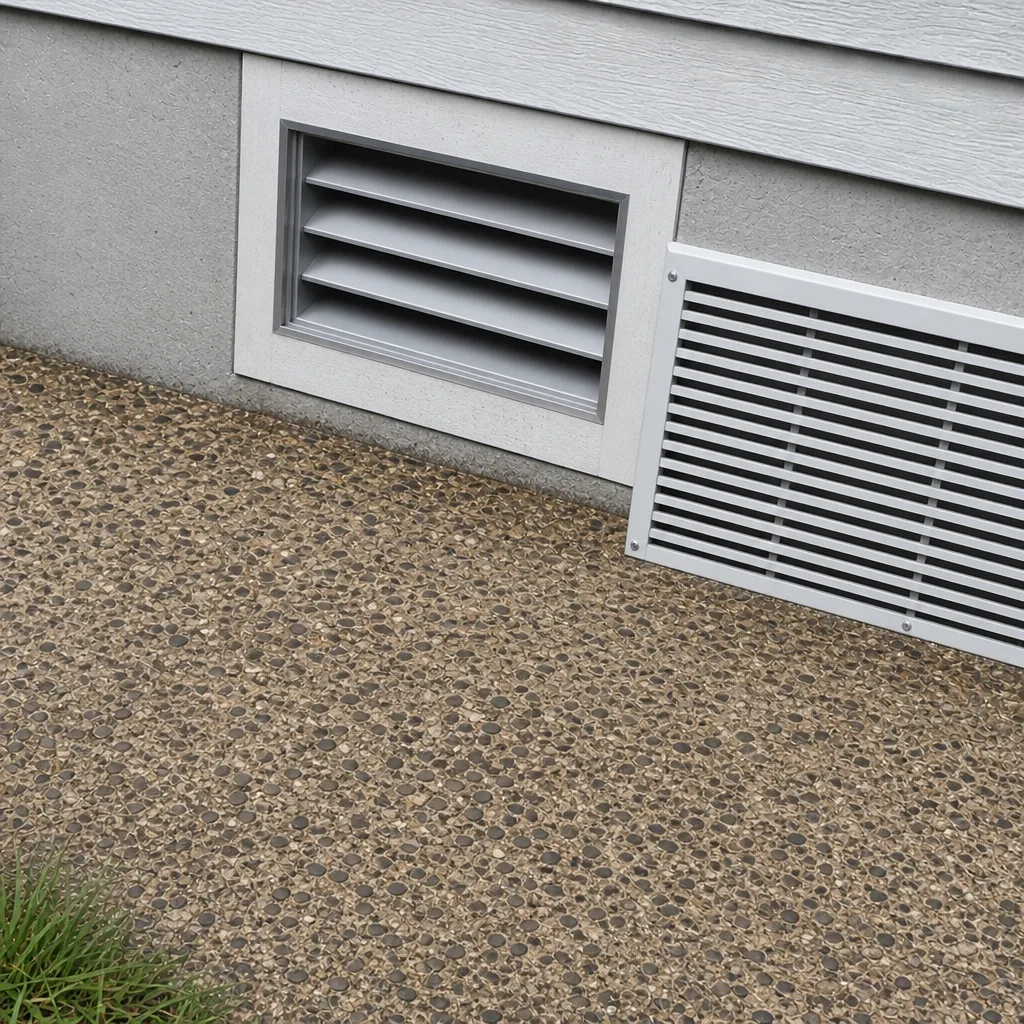
Whole-system duct and dryer vent check with before-and-after photos - you see exactly what came out of your vents
That "$99 whole-house special" is a bait ad - the real number appears once they are in your hallway, or the "clean" is a shop-vac at the register. We photograph the inside of your ducts before and after instead.
Air Duct Cleaning Maintenance Checklist for Inwood Homeowners
Most Inwood homeowners do the responsible thing: they swap the filter every few months, note the date, and figure the ducts are handled. But filter condition tells you almost nothing about what’s happening past the grille. A clean filter can sit in front of a return plenum lined with mold, a run of flex duct that’s collapsed, or a liner that’s been quietly degrading through a wet Inwood summer. The filter catches what it can, and the rest settles in. What follows is a monitoring system, not just a cleaning schedule: what to look at, how often, what each finding means, and how to log it so a technician walks in with your history instead of starting from zero.
Quick Answer
A useful air duct maintenance checklist has three layers: what you can observe yourself at each register every month, the quarterly checks that catch slow changes like airflow drops and odor shifts, and the annual work that needs professional tools and containment equipment. The goal isn’t to clean ducts constantly. It’s to spot the specific changes, in airflow, odor, debris color, and interior duct surface, that tell you when cleaning, repair, or sealing is actually needed.
Styles & brands we work with
- Whole-home duct cleaning
- Dryer vent cleaning
- Camera inspection
- Sanitizing & deodorizing
Table of Contents
- The Three Layers of Duct Maintenance
- Monthly: What to Check at Each Register
- Quarterly: Airflow, Odor, and Debris Trends
- How Inwood’s Humid Summers Affect Duct Liner
- The Dryer Vent: A Parallel Checklist
- Annual: What Requires Professional Tools
- Building a Maintenance Log That’s Actually Useful
- Verifying the Work Was Done Right
The Three Layers of Duct Maintenance
Duct maintenance fails when it’s treated as one annual event. A single cleaning appointment, however well done, can’t tell you what changed in March versus August, or whether the musty smell that showed up after a rainy stretch is a one-off or the start of a liner problem. Splitting the work into observation, inspection, and professional service keeps you informed between visits.
Here’s the structure that works, and it’s the same structure we recommend when homeowners call us with a vague sense that something’s off:
- Observation (monthly, five minutes): airflow volume, odor, and visible debris at each register. No tools, no disassembly.
- Inspection (quarterly, twenty minutes): compare what you’re seeing against last quarter’s notes, check access panels you can safely reach, look at the return grille and the filter housing.
- Professional service (annual, plus as needed): interior duct surface inspection, cleaning with containment equipment, and repair or sealing if the findings point there.
The layers matter because they catch different things. Monthly checks catch acute changes, like a sudden airflow drop or a new smell. Quarterly comparisons catch gradual ones, the kind that build so slowly you’d never notice without a record. Annual professional work handles what no homeowner can reasonably assess: the condition of the duct interior past the first few feet, the state of the liner, and whether joints and seams have opened.
In Inwood, that third layer is where professional equipment earns its keep. Household vacuums and shop-vac setups pull loose surface dust and push the rest around; they don’t contain it. Systems like Rotobrush and Abatement Technologies units are built to work under negative pressure and capture what they dislodge, which is why they show up in professional protocols rather than homeowner toolkits.
Monthly: What to Check at Each Register
Walk the house once a month with a small notepad or a phone note, and check every supply register and the main return. It takes five minutes once you have a baseline. The point isn’t to find problems, it’s to notice anything different from last month. Four things to record at each register:
- Airflow volume. Hold your hand at the register and note how strong the flow feels, or better, tape a strip of tissue to the grille and watch how far it lifts. What you’re comparing against is last month, not the register across the room, which may be on a different run and always stronger or weaker.
- Odor profile. Lean in and breathe. Note what it smells like: nothing, dusty, musty, sweet or chemical, or cooked. Musty points to moisture. A sharp chemical smell can mean something’s overheating or that a cleaner residue is present. Write it down; “smells a bit off” isn’t useful in three months.
- Visible debris color and texture. Shine a light at the grille and look at what’s collected on the fins and just inside. Grey-brown fluffy dust is ordinary. Black soot or greasy dark film is not, and it usually points to a combustion source or something drawing exhaust into the return. Fibrous material, glass-like strands or insulation fibers, means a liner or duct wrap is breaking down.
- Moisture or staining. Water marks on the grille, condensation on the metal, or dark staining on the ceiling around a ceiling register. All three are early signs that warrant a closer look.
One rule: don’t open anything sealed. You’re looking, not disassembling. Registers and the filter slot are fair game; taped or screwed access panels on the duct trunk are not, because resealing them badly is worse than not opening them. If a grille comes off with a simple latch, look inside the first few inches with a flashlight and note what you see, but don’t reach in or run a vacuum nozzle up the run.
Quarterly: Airflow, Odor, and Debris Trends
Monthly checks give you snapshots. Quarterly checks give you the trend line, and the trend line is where the real information lives. Four times a year, sit down with your notes and answer these questions honestly:
- Has airflow at any register dropped, and by roughly how much? “Weaker than in January” is a usable observation. A steady decline across the whole house usually points to a filter that’s loading faster than expected or a blower issue. A decline at one register points to something in that run: a damper, a collapse, a blockage.
- Has the odor changed, or is it now showing up at more registers? A smell localized to one room is a run-level issue. A smell present at every register is coming from the shared system, which usually means the air handler, the return, or the duct interior itself.
- Is the debris color consistent? If it’s been grey-brown for a year and then turns black, that’s your signal to call. Same if fibrous material starts appearing where there was none.
- How’s the filter loading? A filter that used to last its full interval and now looks grey at half the time is loading faster, which means more particulate is moving through the system. That’s a change in the system, not just in the filter.
Quarterly is also when you do the checks that don’t need a monthly cadence: pull the return grille and look at the filter slot housing for dust bypass around the edges, check that the filter fits snugly with no gaps, and confirm the condensate line and drain pan under the air handler are clear and dry. In a humid climate like Inwood’s, a slow condensate drip is one of the more common ways moisture gets into a system, and it’s easy to spot early if you’re looking.
How Inwood’s Humid Summers Affect Duct Liner
Duct liner is the sound-and-thermal insulation bonded to the inside of many duct runs, typically a fiberglass mat with a facing. It’s there to reduce noise and prevent condensation on cold surfaces. The problem is that liner is porous, and Inwood’s summers run humid enough that the inside of a duct system can hold moisture for long stretches, particularly when the system cycles on and off and the interior surfaces warm up between cycles.
What that means in practice: a liner that stays damp becomes a growth surface. Dust that settles on it feeds whatever’s growing. And once the facing is compromised, the fiberglass underneath starts shedding fibers into the airstream, which is exactly the fibrous debris you’re watching for at the registers during your monthly checks. The degradation tends to be gradual, which is why quarterly comparison beats a once-a-year glance.
What to look for specifically, on any interior surface you can safely see:
- Discoloration on the liner facing, especially dark mottling in patches rather than even dust.
- Liner that has pulled away from the duct wall, sagging or bubbling at a seam.
- Visible condensation on the inside of metal duct near the air handler, or water tracking along a joint.
- A musty smell that’s stronger in the first few minutes after the system starts, when the fan pushes air across a damp surface.
Abatement Technologies equipment is built for exactly this kind of work, because containing dislodged material under negative pressure during cleaning matters more when the material is biological rather than just dust. And where the liner surface itself is the problem, sanitizing with Guardsman-grade treatments addresses what’s growing on it, while repair and sealing addresses the moisture path that let it happen. One without the other tends to be temporary.
The Dryer Vent: A Parallel Checklist
The dryer vent is part of the same air pathway logic and deserves its own tracking, since it’s the most commonly neglected vent in the house. Lint accumulation is a leading cause of residential fires, and the checks are simple enough to fold into the same monthly walk.
At the dryer:
- Clean the lint trap before every load. Every load, no exceptions. This isn’t a monthly item.
- Once a month, check the trap housing for lint bypassing the screen and collecting behind it.
- Look for lint around the dryer’s back panel and along the first foot of the vent connection.
- Notice drying time. A load that used to take one cycle and now takes two is a signal, not a coincidence.
At the exterior cap:
- Confirm the flap opens freely when the dryer runs and closes when it stops. A flap that stays stuck open lets in pests and weather; one that stays shut traps lint.
- Check the terminal for anything blocking it: lint mat, bird nesting, wasp activity in warmer months, or a screen that’s clogged with lint.
- Look for lint on the ground or attached to the exterior wall around the cap, which means material is escaping around the fitting rather than out the end.
What you can’t check from either end is the middle of the run, and that’s where clogs and lint buildup actually live, especially in longer runs with elbows. That’s professional territory, and it’s one of the services that sits on the same visit as any duct work, which is why dryer vent cleaning belongs in the annual plan rather than being treated as a forgotten extra.
Annual: What Requires Professional Tools
Once a year, and any time your observation log turns up something you can’t explain, the system needs eyes and equipment that reach past what a homeowner can see. Here’s what a proper professional assessment covers, and what to ask about when you book it:
- Interior duct inspection. A camera or direct visual of the duct interior beyond the first few feet from each register: the trunk, the branches, and the return plenum. This is where liner condition actually gets assessed.
- Cleaning with containment. Source removal under negative pressure, so dislodged material leaves the system rather than settling into the living space. Ask what equipment they use; professional-grade systems like Nikro and Rotobrush units belong to this category, and the answer tells you a lot about the job you’re buying.
- Sealing check. Joints, seams, and connections at the plenum and the branches, looking for gaps that leak conditioned air into walls and attics or pull unfiltered air into the system. Ducts that leak re-contaminate themselves after cleaning, so this check matters as much as the cleaning itself.
- Air handler and coil. A cleaning of the ducts that leaves a dust-laden evaporator coil is half a job. Coil cleaning is part of HVAC cleaning, and it’s the piece that keeps the whole system consistent.
- Sanitizing, where indicated. If the inspection turns up biological growth, a sanitizing treatment addressed to the source rather than a fogging over the top. Guardsman products fall in this category; ask what’s being applied and why.
- Air quality accessory check. If the home has a whole-house filter, humidifier, or ventilation control from Honeywell or Aprilaire, confirm the components are working and the media is fresh, since these interact with the duct system directly.
Our technicians have up to 8 years of experience with exactly this sequence, and one flat price per system is agreed before any work starts. That last part matters more in this industry than it should, and it’s the honest answer to the bait-and-switch reputation duct cleaning has earned.
Building a Maintenance Log That’s Actually Useful
A log full of scattered notes is nearly as bad as no log. The goal is a record a technician can read in two minutes and understand where the system has been. Keep it in one place: a notes app, a spreadsheet, or a page taped inside the utility closet door. Whatever you’ll actually use.
The structure that works best is one page per register, plus one page for the system. On the system page, track:
- Filter type and size, and the date each one goes in. This alone tells a technician how fast the system is loading.
- The date of each professional cleaning, and what was done: ducts, dryer vent, coil, sanitizing, sealing.
- Any repairs or sealing done, with the location. “Sealed a gap at the return plenum” is more useful than “repaired ducts.”
- Seasonal notes: humidity observations, changes in how the house feels, anything like a renovation that would have added dust to the system.
On each register page, track the monthly observations in a simple line: date, airflow (strong / okay / weak, or tissue-lift), odor (none / dusty / musty / other), debris (color and texture). Four columns is all it takes. When a technician can see that the second-floor hall register has been weakening steadily for four months while everything else stayed steady, they know exactly where to look, and they’re not starting from zero at each visit.
That log does one more thing: it helps you evaluate the cleaning. If a cleaning happened and the entry afterward shows the same airflow reading, it wasn’t fixed. If it shows restored flow, it was. That’s a far better test than asking “does it feel cleaner in here?”
Verifying the Work Was Done Right
Duct cleaning has a reputation problem, and the reputation is deserved: low teaser prices, then a much larger invoice once the technician is on site. The way to avoid that is to find out upfront what you’re buying and what evidence you’ll get that it happened.
Three things to insist on before work begins:
One flat price per system, in writing, agreed before work starts. Not per vent, not per run, not a coupon figure. Not a teaser price that expands mid-job. If a technician arrives and the number has changed without a new written estimate, that’s your sign to stop.
Photos of your own ducts, before and after. Not stock photos, not a generic slideshow. Your ducts. A professional-grade job produces visible evidence, and the technician should be willing to show it to you before they leave.
A description of the equipment. Rotobrush, Nikro, and Abatement Technologies are the names to look for, because they’re built for source removal under containment. A shop-vac rig and a spinning brush on a drill isn’t the same job, and it shows up in the results six months later.
We’ve seen enough “cleaned” systems with the same debris load as before to know the difference matters, which is why we work with the professional equipment and show you the difference before we leave. If you’re in the neighborhood and want a straight conversation about whether your system actually needs work yet, Air Duct Cleaning Inwood is where to start, and the answer might honestly be “not this year.”
See the difference
 Before
 After
 Before
 After
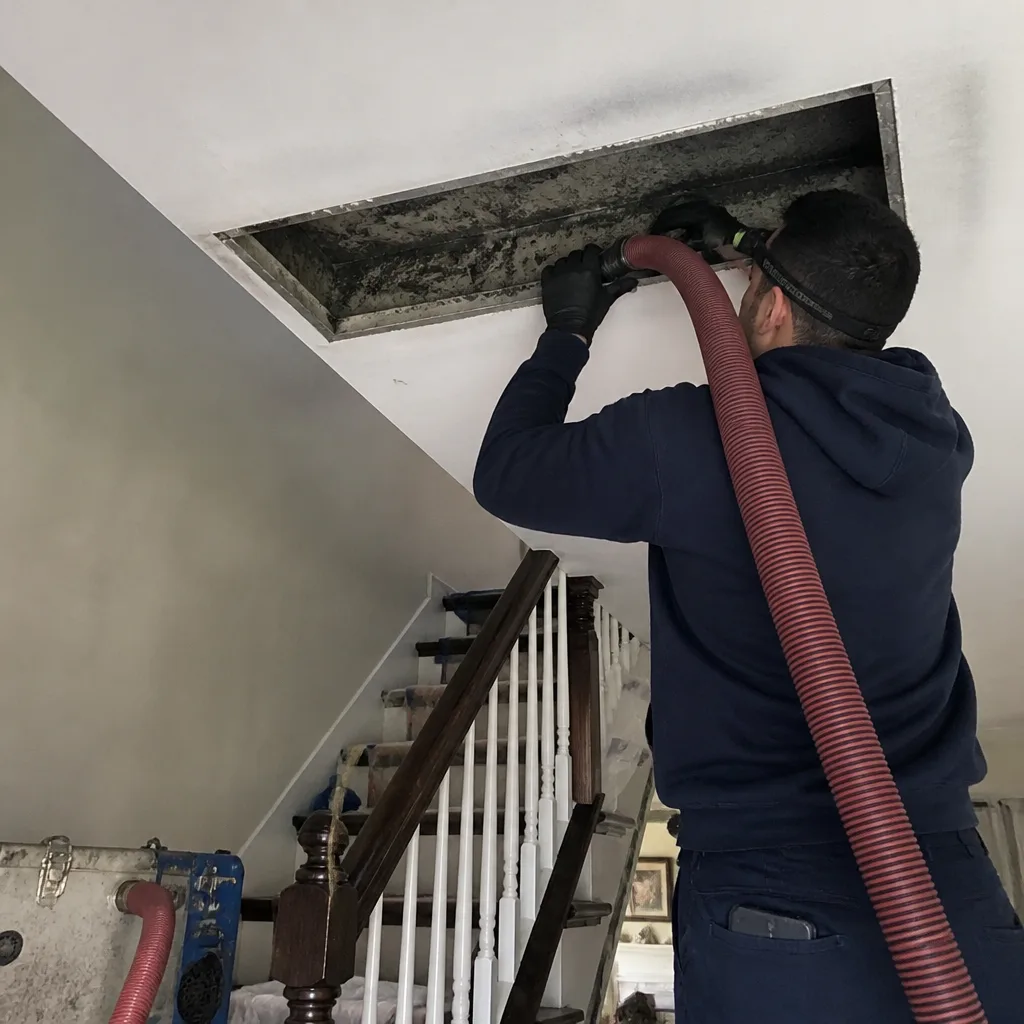 Before
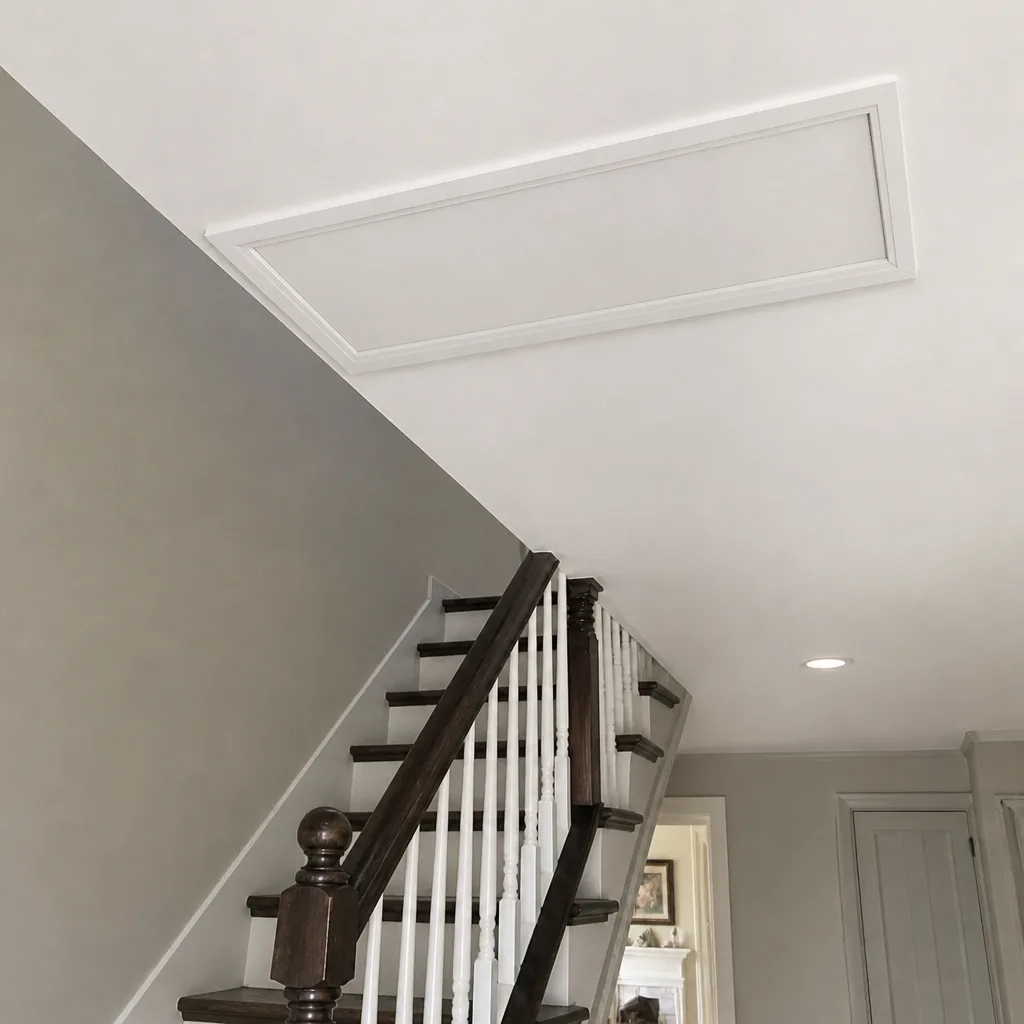 After
Common Mistakes to Avoid
- Treating the filter as the whole checklist. A filter tells you how fast particulate is loading. It says nothing about liner condition, joint integrity, or anything growing on a damp surface past the grille. Use filter condition as one input, not the answer.
- Vacuuming registers with a household machine. The nozzle knocks loose more than it captures and pushes the rest further down the run, where it settles on surfaces that were fine before. Leave the dust disturbance to equipment built for it.
- Skipping the quarterly comparison. Monthly snapshots are useful only if you compare them. Without a trend line, you’re guessing about whether a change is real.
- Ignoring dryer vent lint on the first foot of the connection. Lint collecting around the dryer’s back panel and the first foot of vent means the run isn’t clearing properly, which is a safety issue, not a tidiness one.
- Booking on price alone. A quoted price with no details on equipment, containment, or what’s covered in the price is not a comparable bid, and it’s the exact setup for a surprise invoice.
- Cleaning without addressing leaks. A sealed system stays clean far longer than one with open joints. Cleaning ducts that leak is a job that undoes itself.
- Filing the log in your head. You’ll forget what the upstairs hall register felt like in February by June. Write it down the day you check it, because the log is the whole system.
When to Call a Professional
Some findings need professional tools. A musty odor that’s stronger when the system first starts, black or greasy debris at a register, fibrous material in the grille, water staining around a ceiling register, airflow that’s dropped at one register or across the house, or a dryer that’s taking longer to dry than it used to. Any of those warrant a look, and so does a system that’s never been cleaned or a renovation that left construction dust in the return.
Air Duct Cleaning Inwood offers free estimates in Inwood, and one flat price per system is agreed before work starts. Call to book, and we’ll tell you honestly whether your system needs work now or can wait until the next annual visit. Our technicians have up to 8 years of experience with Rotobrush and Nikro systems, and the written estimate sets the final price.
Frequently Asked Questions
Most homes in Inwood are fine on an annual inspection with cleaning every few years, but humid summers here push liner degradation faster than in drier climates, so the inspection cadence matters as much as the cleaning. If you have pets, allergies, recent renovation dust, or a system that’s never been serviced, a cleaning sooner makes sense. The maintenance log tells you when the system itself has changed, and that’s a better trigger than a fixed calendar. Call (855) 974-7305 for a free estimate.
Mold in ducts shows up as dark mottled discoloration on the liner surface, a musty smell strongest when the fan first starts, and sometimes visible growth near the air handler or on a damp return plenum. You can spot the smell and any visible discoloration at the registers; the interior surface needs a professional camera or visual inspection to assess. If you smell musty air consistently, call (855) 974-7305 for a free estimate and an inspection.
Low teaser prices usually mean either a shop-vac-and-brush job with no containment, per-vent pricing that grows once the technician is on site, or a price that doesn’t cover coil cleaning, sealing, or sanitizing. The honest comparison isn’t the lowest number, it’s the flat per-system price that covers what your system actually needs. Ask what’s included before you book, and call (855) 974-7305 for a free estimate with one flat price per system.
Ask for before-and-after photos of your own ducts, not a stock slideshow, and ask to see them before the technician leaves. Also check the airflow at your registers after the work and compare against your log; if airflow is restored and the photos show the difference, the job was done. Call (855) 974-7305 for a free estimate.
Yes, and it’s more commonly neglected because it’s out of sight behind the machine. Lint accumulation in the vent run is a leading cause of residential fires, and the lint trap only catches part of it. Check the trap housing and exterior cap monthly, and have the run itself cleaned as part of the annual air-pathway service. Call (855) 974-7305 for a free estimate.
No, not safely or effectively. A household vacuum disturbs settled debris without containing it, which can push particles into the living space and force the rest deeper into the system, and a shop-vac doesn’t reach the trunk or the plenum. Professional systems like Rotobrush and Abatement Technologies units are designed for source removal under negative pressure. For a proper air duct cleaning assessment, call (855) 974-7305 for a free estimate.
The Bottom Line
Duct maintenance is not a single annual appointment, it’s a habit of observation between visits. Check airflow, odor, and debris at each register monthly. Compare the trend quarterly, because gradual changes are the ones you’ll miss without a record. Pay attention to liner condition specifically, since Inwood’s humid summers make it the first component to degrade. Run the dryer vent on its own schedule, with the trap checked every load and the cap checked monthly. Then log it all so a technician walks in with a history rather than a blank page. And when a professional visit makes sense, insist on one flat price per system, professional equipment, and before-and-after photos of your own ducts. That’s the whole system.
Written by the team at Air Duct Cleaning Inwood.