
Last updated November 22, 2026
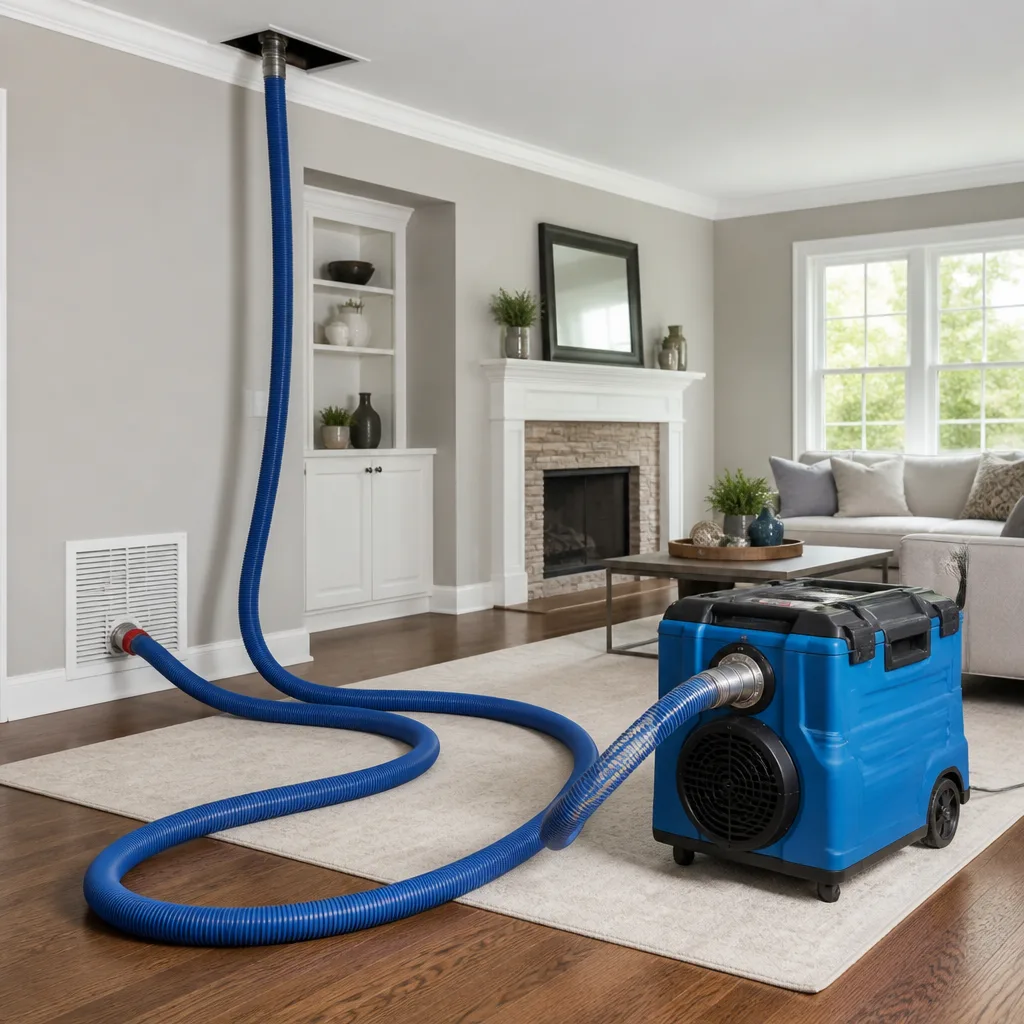 Whole-home duct cleaning
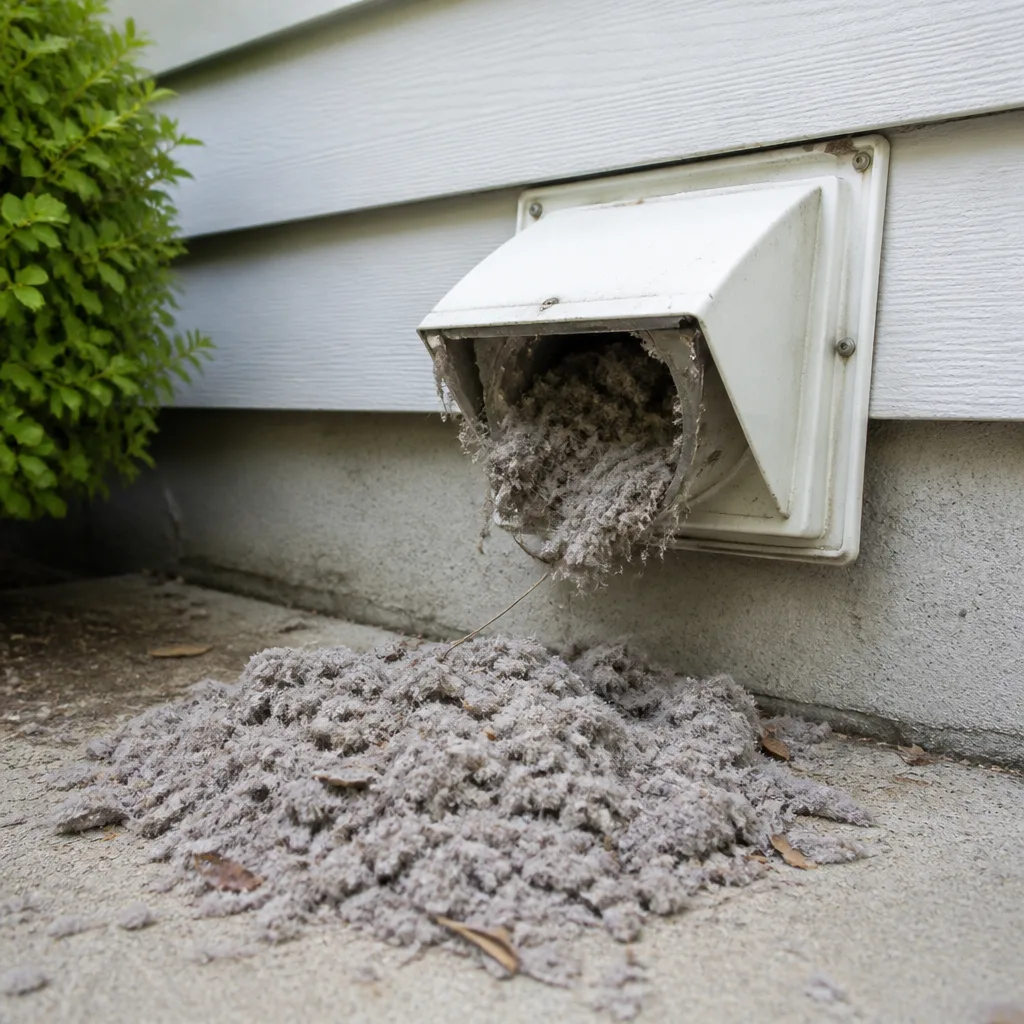 Dryer vent cleaning
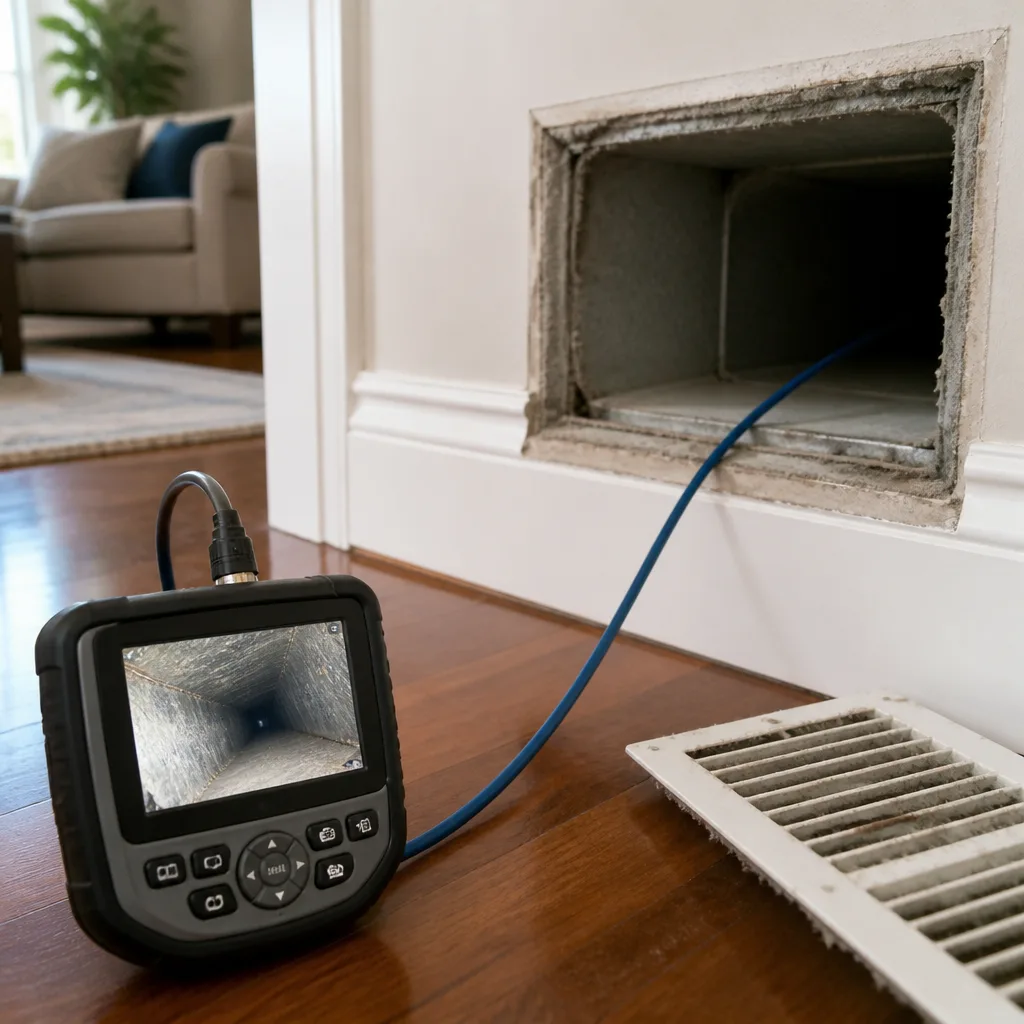 Camera inspection
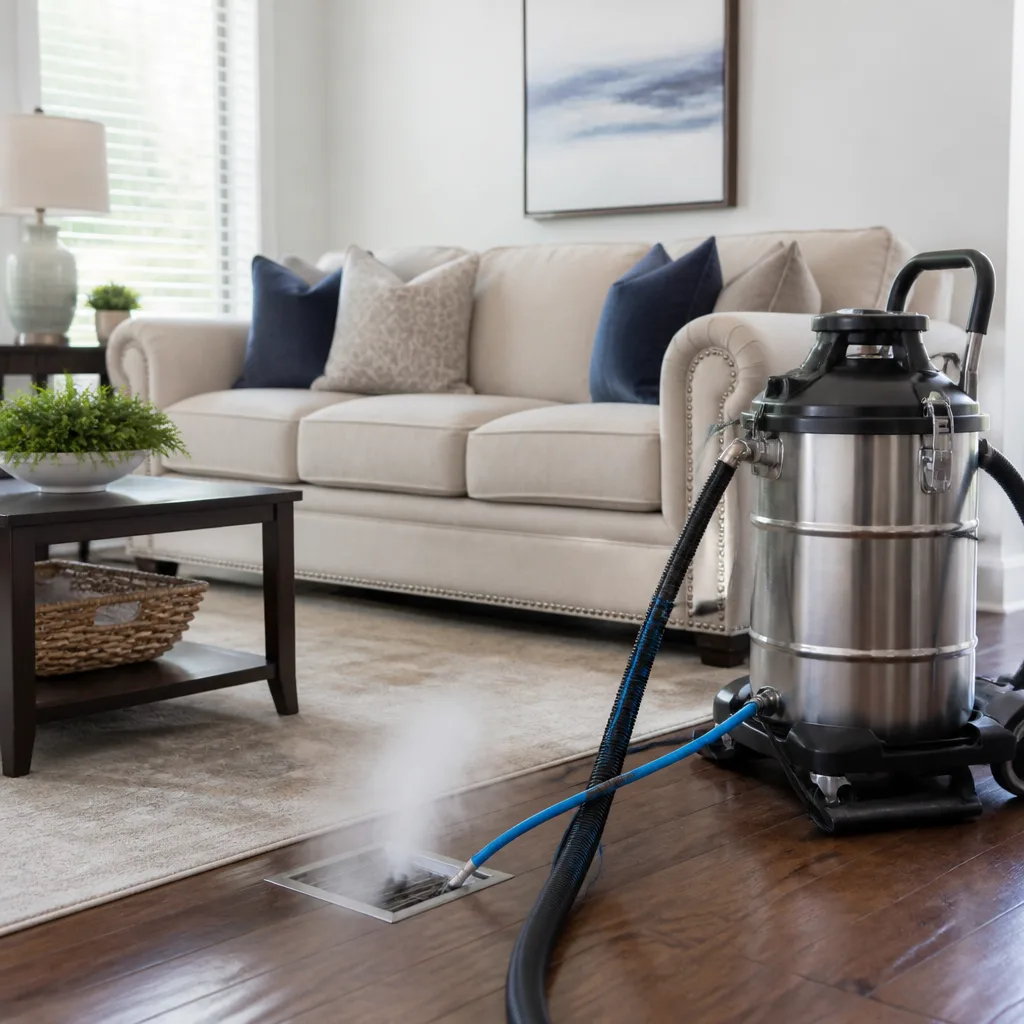 Sanitizing & deodorizing
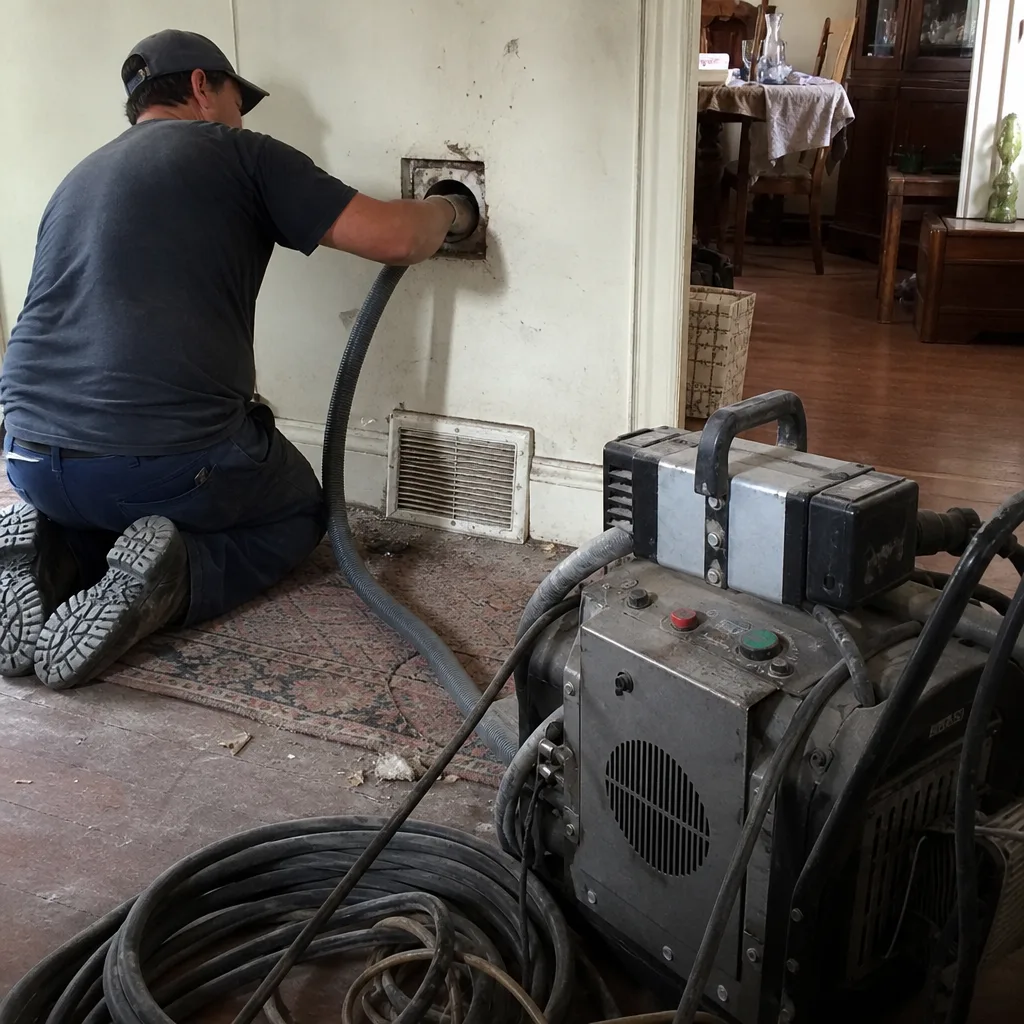
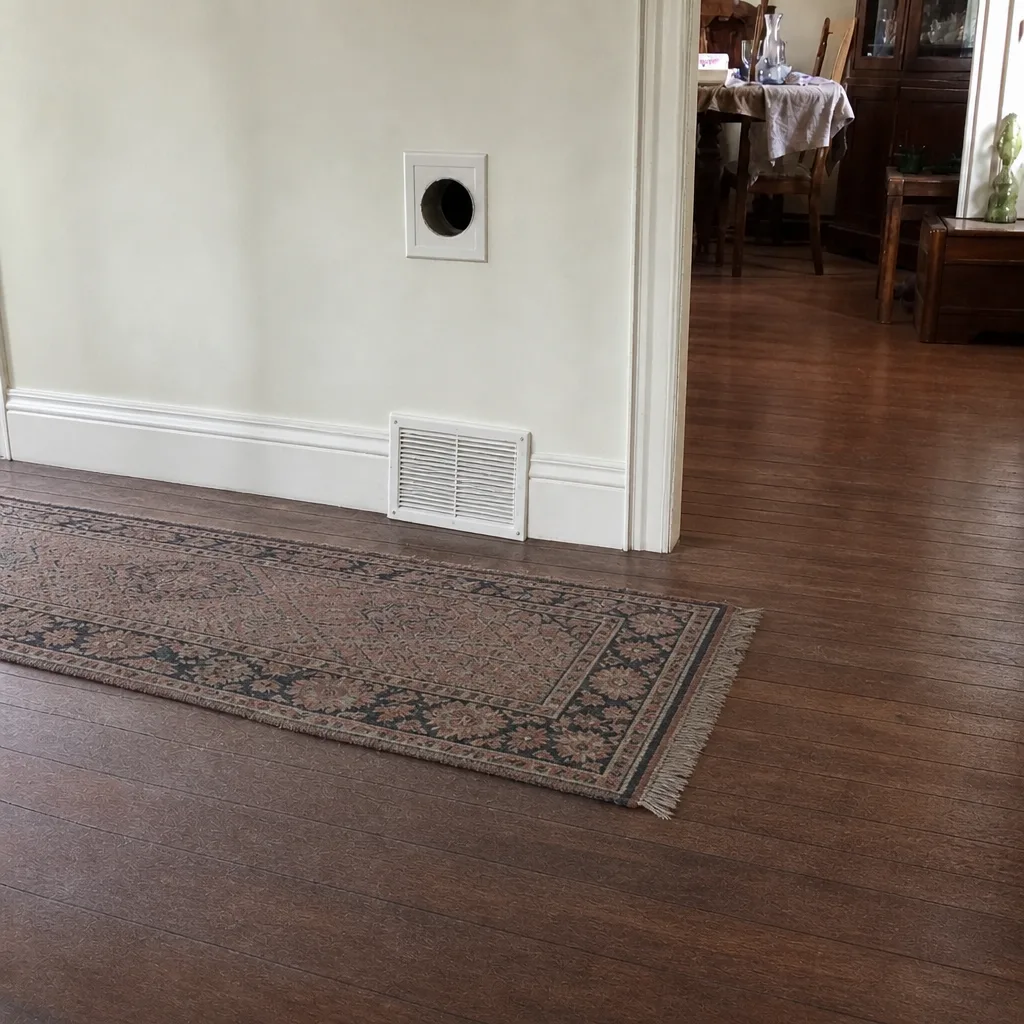
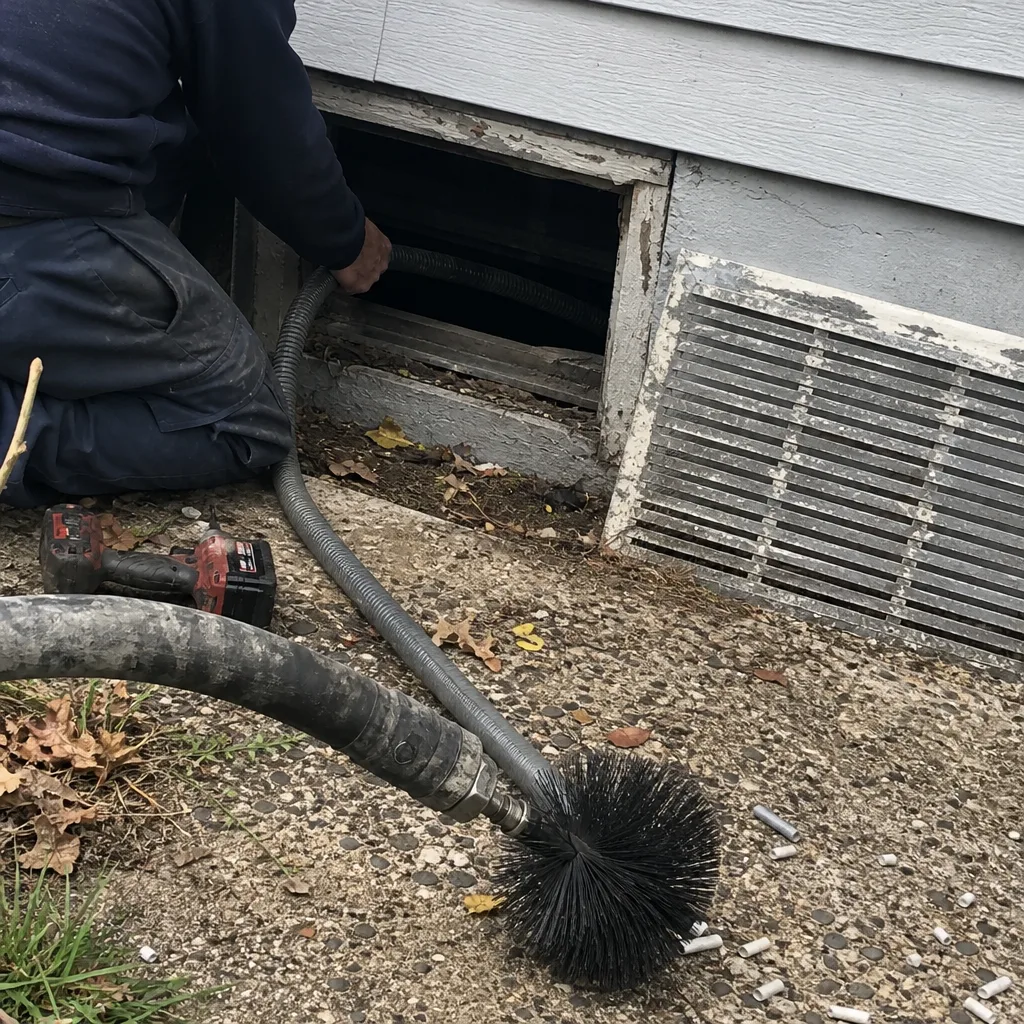
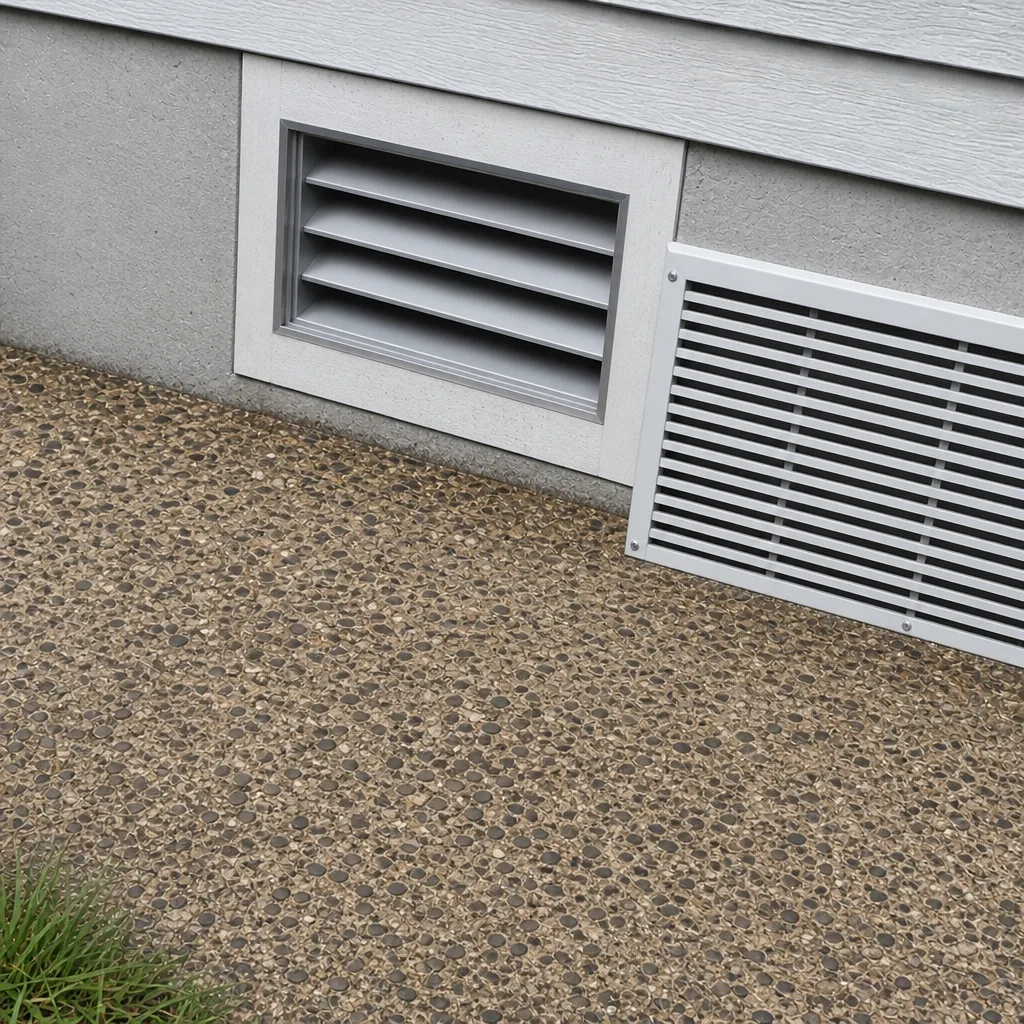
Whole-system duct and dryer vent check with before-and-after photos - you see exactly what came out of your vents
That "$99 whole-house special" is a bait ad - the real number appears once they are in your hallway, or the "clean" is a shop-vac at the register. We photograph the inside of your ducts before and after instead.
Air Duct Cleaning Emergency Preparedness Guide for Inwood Homes
When a basement floods in Inwood, most owners focus on the visible water. That’s the wrong priority. If the HVAC air handler sits in that flooded basement, running the system before the ductwork is inspected and cleaned pushes contaminated air through every room in the house. The water gets cleaned up; the problem spreads. This guide is about having a protocol before an emergency happens, so a fire, flood, or mold event doesn’t get compounded by a duct system that quietly distributes the damage. We’ll walk through shutdown decisions, assessment sequencing, cleaning chemistry, insurance documentation, and the specific risks Inwood homes face.
Quick Answer
After a flood, fire, or severe mold event, shut down the HVAC system immediately if the air handler or ductwork was exposed, and do not restart it until a professional has assessed and cleaned the duct system. Contaminants in the ducts get redistributed to every room the moment air starts moving. In Inwood, where basement mechanical rooms are common in row houses and multi-family buildings, that shutdown decision matters more than most homeowners realize.
Styles & brands we work with
- Whole-home duct cleaning
- Dryer vent cleaning
- Camera inspection
- Sanitizing & deodorizing
Table of Contents
- Why the Duct System Is the Vector, Not the Victim
- Post-Flood Protocol: Shutdown, Assessment, and Timing
- Post-Fire Duct Response: Soot Is a Different Problem
- Mold Events: Clean or Replace?
- Documenting Duct Condition for Insurance Claims
- Inwood-Specific Risks: Basements, Row Houses, and Shared Systems
- Building Your Duct Emergency Preparedness Kit
- Common Mistakes to Avoid
Why the Duct System Is the Vector, Not the Victim
A duct system is a distribution network. That’s the whole point of it. When the air handler runs, it pushes conditioned air through supply trunks and branch runs into every room of the house. If contaminants are sitting in that network, the system does exactly what it’s designed to do: it delivers them everywhere. Smoke residue, flood-borne bacteria, mold spores, fine renovation dust – all of it rides the same air path as the heat and cooling you want.
This is why duct cleaning after an emergency isn’t cosmetic. It’s the difference between a controlled remediation and a compounded one. A cleanup crew can extract water, dry the structure, and treat surfaces. If the ducts still hold contamination and the system gets switched back on, the remediation is compromised the moment the thermostat calls for heat.
We see the pattern repeatedly: homeowners handle the visible damage correctly and then undo it by restarting the HVAC too soon. In Inwood, where many homes have mechanical equipment tucked into basement rooms with limited access, it’s easy to forget the ducts are part of the affected envelope. They are.
The practical framing: think of the full air pathway as one system – air ducts, dryer vents, HVAC unit, seals, and the air quality treatments that finish the job. After an emergency, that whole path needs to be evaluated as a unit. That’s the approach we take on every job. Our air duct cleaning in Inwood work starts with an assessment of the entire pathway, not just the visible duct runs.
Post-Flood Protocol: Shutdown, Assessment, and Timing
Flood response in a home with ductwork has a sequence, and getting the sequence wrong is what causes the most damage. Here’s the order that works:
- Shut down the HVAC system at the thermostat and, if accessible and safe, at the breaker. This is the single most time-sensitive step. If the air handler, ductwork, or any connected component got wet, running the system distributes moisture and contaminants through the whole house. Don’t wait for the water to be gone before making this call.
- Document before anything is moved. Photograph water lines on the air handler, the duct connections, filters, and any insulation that got wet. Take wide shots showing the room and close-ups showing detail. This documentation is what the insurance process will rely on.
- Get the water out and the structure dry – but keep the system off. Water extraction and structural drying come before any duct work. Contamination can’t be cleaned out of a duct system that’s still sitting in a wet environment. Cleaning wet ducts achieves nothing.
- Have the duct system assessed for moisture intrusion and contamination. This is the step most people skip. Ductwork that looks dry on the outside can hold moisture inside insulated sections, at joints, and in flex runs. A professional assessment with proper equipment identifies where the contamination actually is.
- Clean, then verify. Only when the structure is dry and the assessment is complete does duct cleaning begin. Professional-grade equipment matters here: containment and negative pressure keep the debris from migrating into living space during the cleaning itself.
When can cleaning begin without spreading contamination? The short answer: once the structure is dry, the system is confirmed off, and containment is in place. Cleaning a duct system while it’s still wet or while the air handler is trying to run spreads the problem instead of solving it.
One more point on timing. Don’t let a restoration timeline pressure you into restarting the HVAC before the ducts have been assessed. A heating system that runs a few days late costs far less than re-cleaning a whole house after contaminated air has cycled through it.
Post-Fire Duct Response: Soot Is a Different Problem
Soot in ductwork isn’t just an air quality issue. It’s combustion residue, and it behaves differently from ordinary dust. Fire produces a mix of fine particulates, acidic compounds, and oily deposits that cling to duct surfaces and, over time, can corrode metal components and degrade flex duct linings. Smoke residue also carries odor that ordinary vacuuming won’t remove – the smell lives in the residue, not in the air.
That’s why post-fire duct cleaning requires cleaning chemistry matched to the residue, not just mechanical agitation. The sequence looks like this:
- Containment first. Negative pressure and sealed openings prevent soot from migrating into cleaned or unaffected rooms during the work.
- Mechanical removal with professional-grade equipment. Consumer vacuums and shop-vac setups don’t generate the airflow or filtration needed for fine soot. We use Rotobrush and Nikro systems for this reason – they’re built for the job, with HEPA filtration and agitation tools designed for duct interiors.
- Chemical treatment for residue and odor. After the loose soot is removed, surfaces still hold a film. A residue-appropriate cleaning agent addresses the film; a sanitizing treatment addresses microbial growth that can follow a fire when moisture from extinguishing meets warm duct surfaces.
- Verification. Before the system goes back into service, the ducts should be inspected and the homeowner should be able to see the before-and-after condition. Transparency at this stage is part of the service, not an extra.
We use Abatement Technologies equipment on fire and flood jobs specifically because containment and negative-pressure practice are part of the protocol, not an afterthought. Soot that gets spread during cleaning is a second incident, not a solution to the first.
The odor question deserves its own note. Homeowners often assume the smell will fade. It usually doesn’t, because the source is residue on duct surfaces. Until that residue is physically removed and the surfaces treated, the system will keep reintroducing the smell every time it runs. For a deeper look at how this fits into our broader HVAC cleaning work, that page explains what we assess inside the unit itself.
Mold Events: Clean or Replace?
Mold in a duct system is a decision point, not a single service. Sometimes cleaning is the right call. Sometimes replacement is. The determining factors are the extent of growth, the duct material, and whether the contamination has penetrated the lining.
Here’s how the decision usually breaks down:
- Surface growth on metal ductwork: typically cleanable with professional agitation, HEPA vacuuming, and an appropriate antimicrobial treatment afterward. The metal itself doesn’t absorb contamination.
- Growth on flex duct or interior insulation: this is where replacement often becomes the correct path. Porous materials hold spores below the surface; cleaning the surface leaves the contamination in place. A professional assessment should say plainly which situation you’re in.
- Widespread growth across multiple runs: cleaning can still be part of the remediation, but it may be paired with targeted replacement of affected sections, followed by sanitizing treatment across the system.
- Recurring growth after a previous cleaning: this points to an unresolved moisture source. Cleaning without addressing the moisture is a temporary fix at best.
What determines appropriateness isn’t the visible extent alone. It’s moisture. Mold needs water, and a duct system that stays damp will regrow growth after any cleaning. The first question in a mold event is always: where is the moisture coming from, and has it been fixed? Only then does the question of clean versus replace have a durable answer.
In Inwood’s older housing stock, basement mechanical rooms and humid summer conditions create the moisture conditions mold needs. We treat sanitizing as a named service for exactly this reason – it’s a different job from cleaning. Our air quality sanitizing work uses Guardsman-grade treatments alongside compatible systems like Aprilaire components when the home has them, addressing allergens and odor at the source rather than masking them.
One caution: don’t run the system “just to check” whether the mold smell is still there. Running a system with mold growth in the ducts spreads spores into every room. Assess first, treat second, run third.
Documenting Duct Condition for Insurance Claims
Insurance carriers respond to documentation, not descriptions. If a flood, fire, or mold event has affected your duct system, the claim outcome depends heavily on what was recorded and when. Here’s what actually matters:
- Photographs taken before any cleanup begins. Water lines on the air handler, visible soot deposits, mold growth at registers and duct joints, wet insulation. Wide shots plus close-ups. Timestamped if your camera supports it.
- A written professional assessment. Not a phone estimate – a documented report describing the affected components, the assessed extent of contamination, and the recommended remediation approach. Carriers weigh third-party assessments heavily.
- Before-and-after photo documentation of the work itself. If the ducts are cleaned, before-and-after photos of the same sections give the carrier evidence of the work performed. This protects you if the claim is questioned later.
- Records of related component damage. Filters, air handler components, and any HVAC accessories (a Honeywell control, an Aprilaire humidifier or filter housing) that were affected should be included in the documentation, not just the duct runs.
- A clear timeline. When the event happened, when the system was shut down, when assessment occurred, when cleaning occurred. Insurers look for evidence that mitigation was timely.
We photograph before cleaning and after, on every job, and provide written reports describing what was found and what was done. That documentation exists to serve the homeowner, not the invoice. If you’re filing a claim, ask any contractor for it in advance – if they can’t produce written documentation, that tells you something. We can also work with your insurer when claims require coordination.
Inwood-Specific Risks: Basements, Row Houses, and Shared Systems
Inwood’s housing stock shapes what an emergency looks like here. Three local patterns matter more than they do in most places.
Basement HVAC placement in row houses. In many Inwood row houses, the air handler and furnace sit in a basement mechanical room, sometimes at the bottom of an interior stair. When water gets into that basement, it’s often in direct contact with the air handler, the return duct, and the supply trunk where it leaves the mechanical space. The shutdown decision happens at the moment water is discovered, not after extraction. If the basement floods and the system runs, contaminants travel to every floor above. Rapid response matters, and we handle post-flood assessments with that dynamic in mind.
Shared systems in multi-family buildings. Inwood has a significant share of multi-family and shared-wall housing, and shared systems change the emergency equation. If ductwork serves more than one unit, contamination in one section can affect neighbors. Coordination across units and documentation that protects every affected party both become part of the job. Property managers should treat a duct assessment as part of post-incident protocol for the whole building, not just the unit where the event happened.
Seasonal storm exposure. Inwood sits on a topography where heavy rain events can overwhelm drainage and find their way into basement mechanical spaces. Storm season isn’t abstract here; it’s a recurring reason for post-flood assessments. Homes that have flooded once are more likely to flood again. A preparedness plan built around that reality – including a clear shutdown protocol and a record of where the HVAC shutoffs are – pays off the second time around. The fire side of the risk picture matters too: dryer vents are a leading cause of residential fires, and vent cleaning is a standalone service we consider part of emergency preparedness, not a related upsell. If you haven’t had a vent cleaned, you can read what dryer vent cleaning involves and why it’s on this list.
Building Your Duct Emergency Preparedness Kit
Preparedness for a duct emergency isn’t a box of supplies. It’s a set of decisions made in advance, so that on the day something happens you’re executing a plan instead of inventing one while the basement fills. Here’s what we recommend Inwood homeowners set up:
- Know your shutdown points. Locate the thermostat, the air handler service switch, and the breaker that controls the HVAC. Write them down and keep the note with your home records. If you can’t find the breaker for the air handler, have an electrician identify it before you ever need it.
- Keep a documentation kit. A dedicated folder – physical or digital – with your HVAC equipment model numbers, the date of the last service, any duct cleaning records, and a set of photographs of the mechanical room and duct connections in normal condition. Baseline photos make after-event documentation far more useful.
- Know who to call, in order. A restoration specialist for water extraction and structural drying. A licensed electrician to verify the air handler before power-up. And a duct specialist for assessment and cleaning. Put names and numbers in the folder.
- Understand the sequence. Water out first. Structure dry second. Duct assessment third. Cleaning fourth. System restart last. Post the sequence if you have to.
- Build in a pre-event baseline. A duct system that’s been cleaned and maintained shows less contamination after an event, and its baseline is already documented. If your ducts have never been cleaned, that’s a preparedness gap. You can read what air duct cleaning involves as a starting point.
One piece of equipment worth having on hand regardless of emergency: a proper set of HEPA filter replacements for your system, matched to the manufacturer’s spec. If the ductwork has an Aprilaire or Honeywell filter housing, keep a spare. After an event, a clean filter is your first line of defense when the system eventually goes back into service.
Common Mistakes to Avoid
- Running the HVAC to “dry things out.” This is the most common and most damaging mistake after a flood. The system pushes moisture and contaminants into every room. Shut it down and keep it down until the ducts have been assessed.
- Cleaning ducts before the structure is dry. Duct cleaning in a wet environment is wasted work; moisture will recontaminate what was just cleaned. Dry the structure first, then clean.
- Hiring a shop-vac operation for post-fire soot. Consumer equipment lacks the filtration and containment needed for fine soot. The visible mess gets moved around; the residue stays. On an Inwood fire job, containment and negative pressure with professional-grade equipment like Abatement Technologies systems are part of the protocol, not an upgrade.
- Skipping documentation before cleanup. Once restoration crews start moving water-damaged materials, the evidence your insurer needs is gone. Photos come first, always.
- Treating a mold event as a cleaning-only job. If the duct lining is porous and colonized, cleaning the surface leaves spores behind. Ask for a clear clean-versus-replace recommendation in writing.
- Ignoring shared-system effects in a multi-family building. In Inwood buildings with ductwork serving more than one unit, cleaning only the affected unit finishes the job halfway. Plan for the whole system.
- Restarting the system before the filter and coil are addressed. Clean ducts feeding into a contaminated coil or a loaded filter re-contaminate fast. The full air pathway – ducts, HVAC unit, filters, seals – needs to be part of the post-event work.
See the difference
 Before
 After
 Before
 After
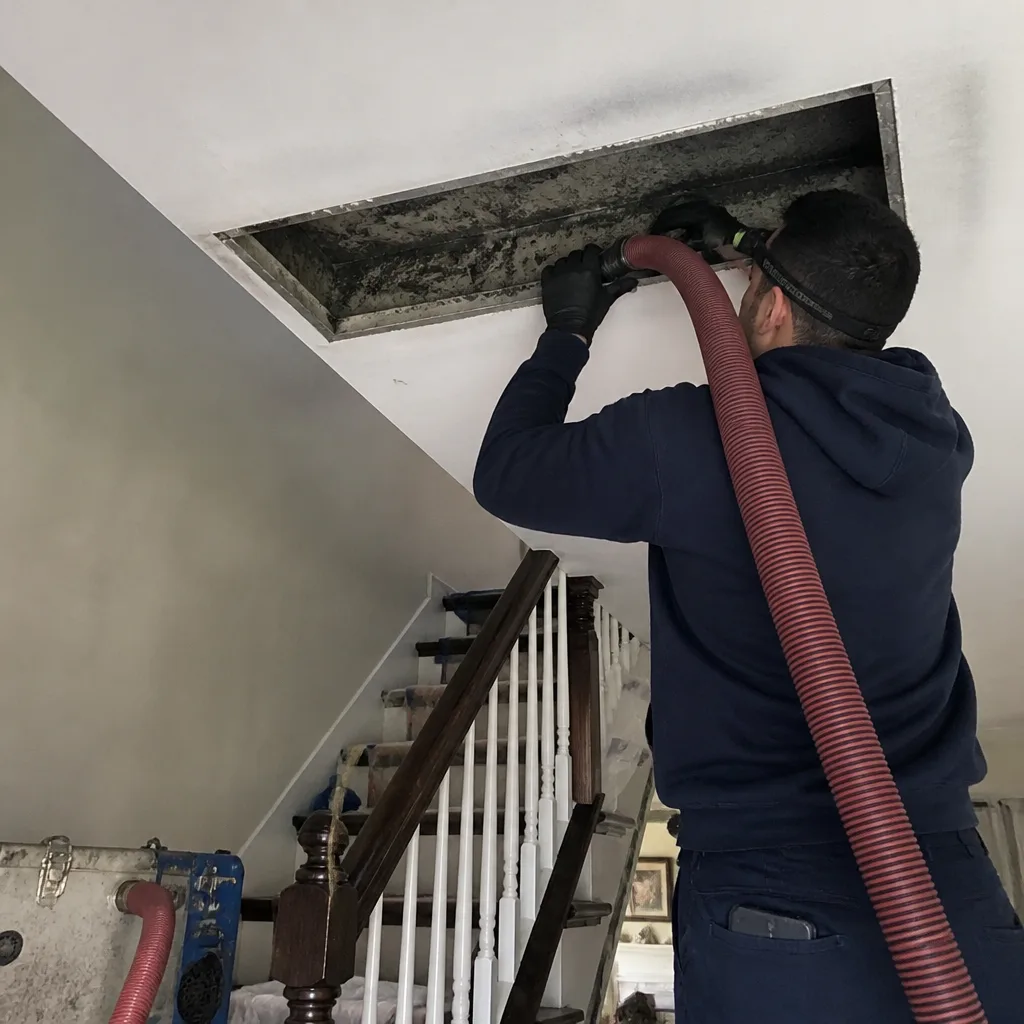 Before
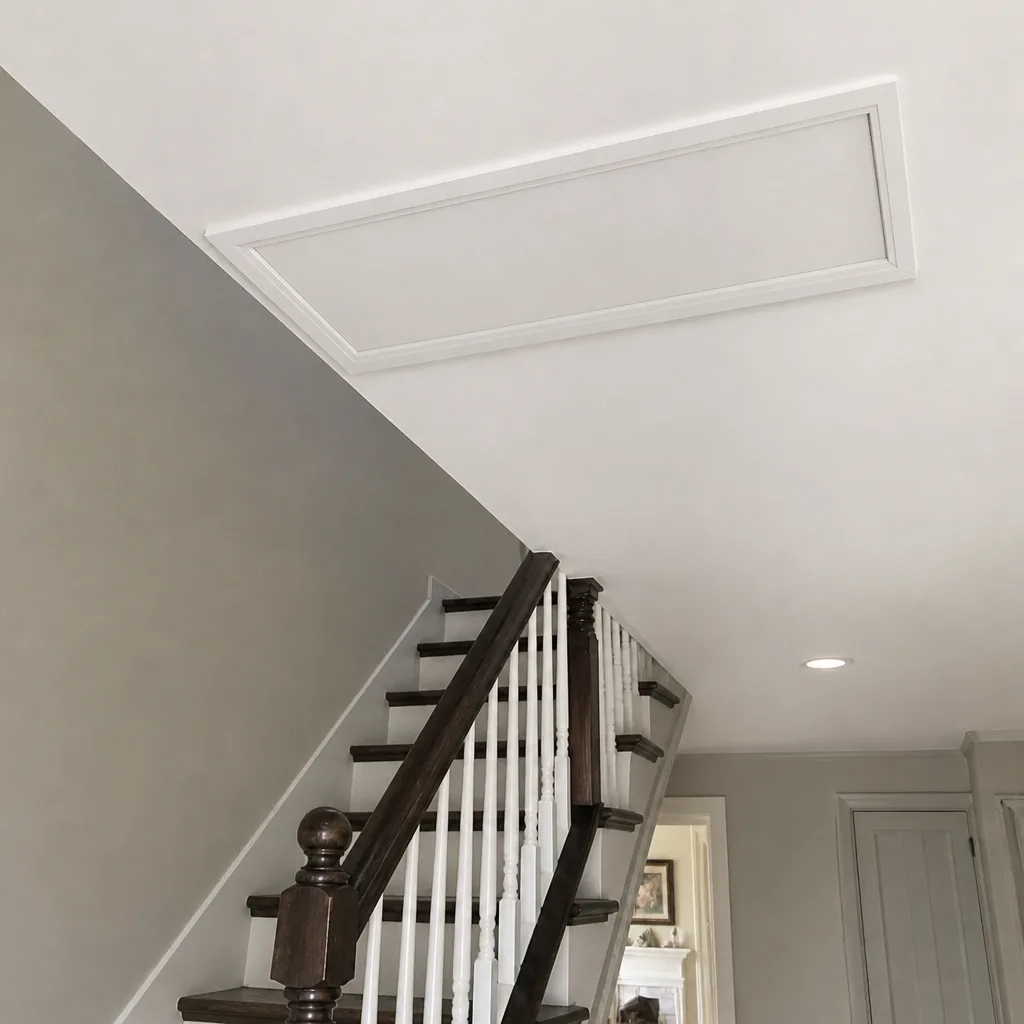 After
When to Call a Professional
Call a professional for any duct system that has been exposed to floodwater, fire residue, or visible mold growth. Also call if the system has been shut down for any length of time and you’re unsure whether it’s safe to restart, or if you’re seeing musty odors, visible dust plumes from registers, or persistent allergy symptoms after an event. For insurance claims, a written assessment is usually needed, and that requires a professional visit. Air Duct Cleaning Inwood offers free estimates in Inwood – call (855) 974-7305. We answer 24/7. Fast dispatch from 7am to 7pm, Sunday through Friday, and we’re closed Saturday. A call outside dispatch hours is booked into the next opening. Our technicians have up to 8 years of experience, they bring Rotobrush, Nikro, and Abatement Technologies equipment to the job, and the price is set per system by a written estimate before work starts.
Frequently Asked Questions
No. If the air handler or ductwork was exposed to water, shut the system down at the thermostat and the breaker and keep it off until a professional assesses the ducts. Running it pushes moisture and contaminants through every room. Call (855) 974-7305 for an assessment – estimates are free.
Once the structure is dry and the duct system has been assessed for moisture intrusion. Cleaning ducts while the house is still wet accomplishes nothing, because moisture recontaminates the cleaned surfaces. The sequence is: water out, structure dry, assessment, cleaning, then restart.
It’s a real requirement. Soot is combustion residue – fine particulates, acidic compounds, and oily deposits that cling to duct surfaces and carry odor. Consumer vacuums can’t remove it safely, and the residue can degrade duct materials over time. Post-fire cleaning uses professional equipment and cleaning chemistry matched to the residue.
It depends on the duct material and the extent of growth. Surface growth on metal ductwork is usually cleanable with treatment afterward. Growth that has penetrated porous flex duct or interior insulation usually calls for replacement of the affected sections. Get the recommendation in writing so you know which situation you’re in.
Timestamped photos taken before cleanup begins, a written professional assessment of the affected components, before-and-after photos of the work if cleaning is performed, and a clear timeline of the event, shutdown, assessment, and cleaning. Ask any contractor for written documentation before the job starts, not after.
They can be, for two reasons. Many Inwood row houses have the air handler in a basement mechanical room directly in the path of floodwater, and multi-family buildings may share ductwork between units, so contamination can spread beyond the unit where the event happened. Both make an advance shutdown plan and whole-system assessment more important here.
The Bottom Line
After a fire, flood, or mold event, your duct system becomes the primary vector for distributing contaminants through every room. The order of operations decides the outcome: shut the system down immediately, document before cleanup, dry the structure, assess the ducts, then clean or replace as the assessment dictates. In Inwood, basement air handlers and shared systems in multi-family buildings raise the stakes on every one of those steps. Build the plan now – know your shutdown points, keep baseline photos, and keep our number with your home records.
Air Duct Cleaning Inwood handles the full air pathway: air ducts, dryer vents, HVAC units, duct repair and sealing, and air quality sanitizing. Professional-grade equipment, written documentation, and one flat price per system agreed before work starts. If an emergency has already happened, or you want to be ready before one does, call us at (855) 974-7305 for a free estimate. We answer 24/7. Fast dispatch from 7am to 7pm, Sunday through Friday. Closed Saturday.
Written by the team at Air Duct Cleaning Inwood.