
Last updated November 22, 2026
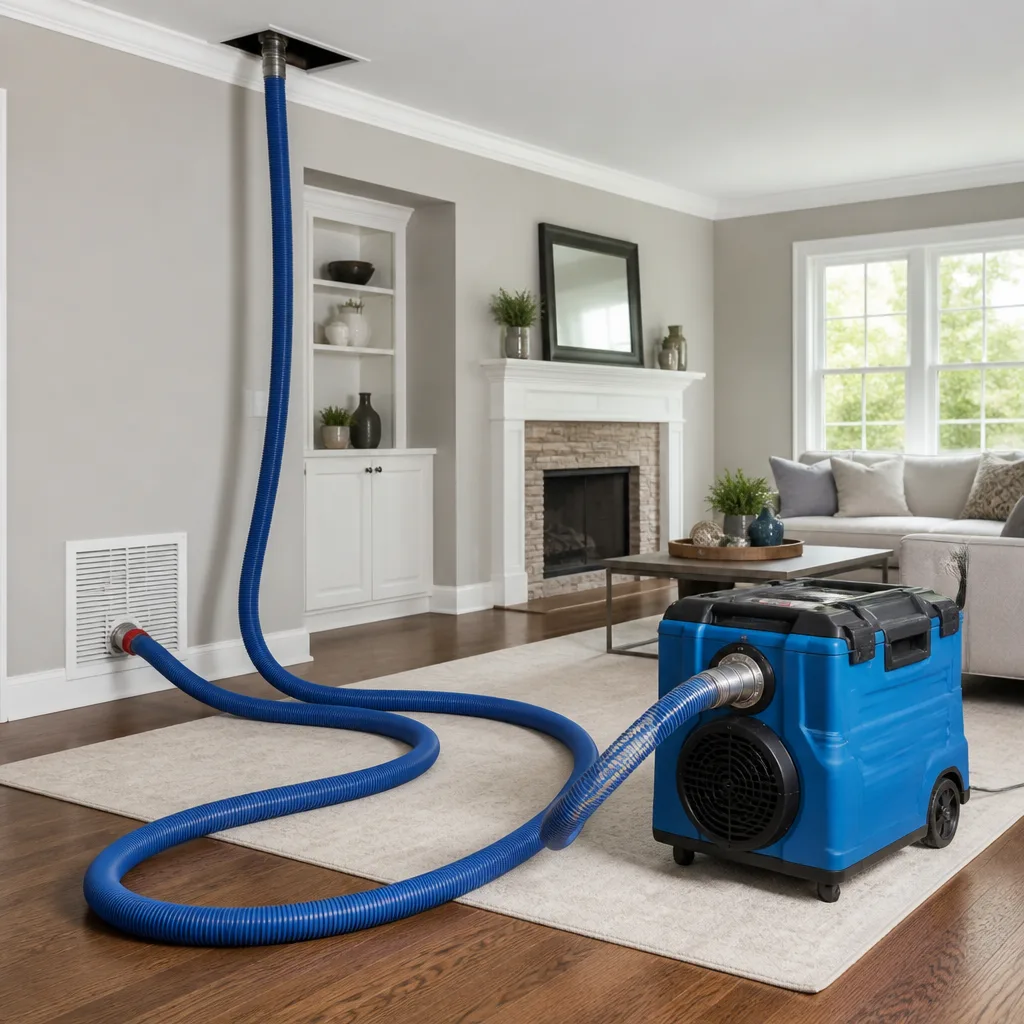 Whole-home duct cleaning
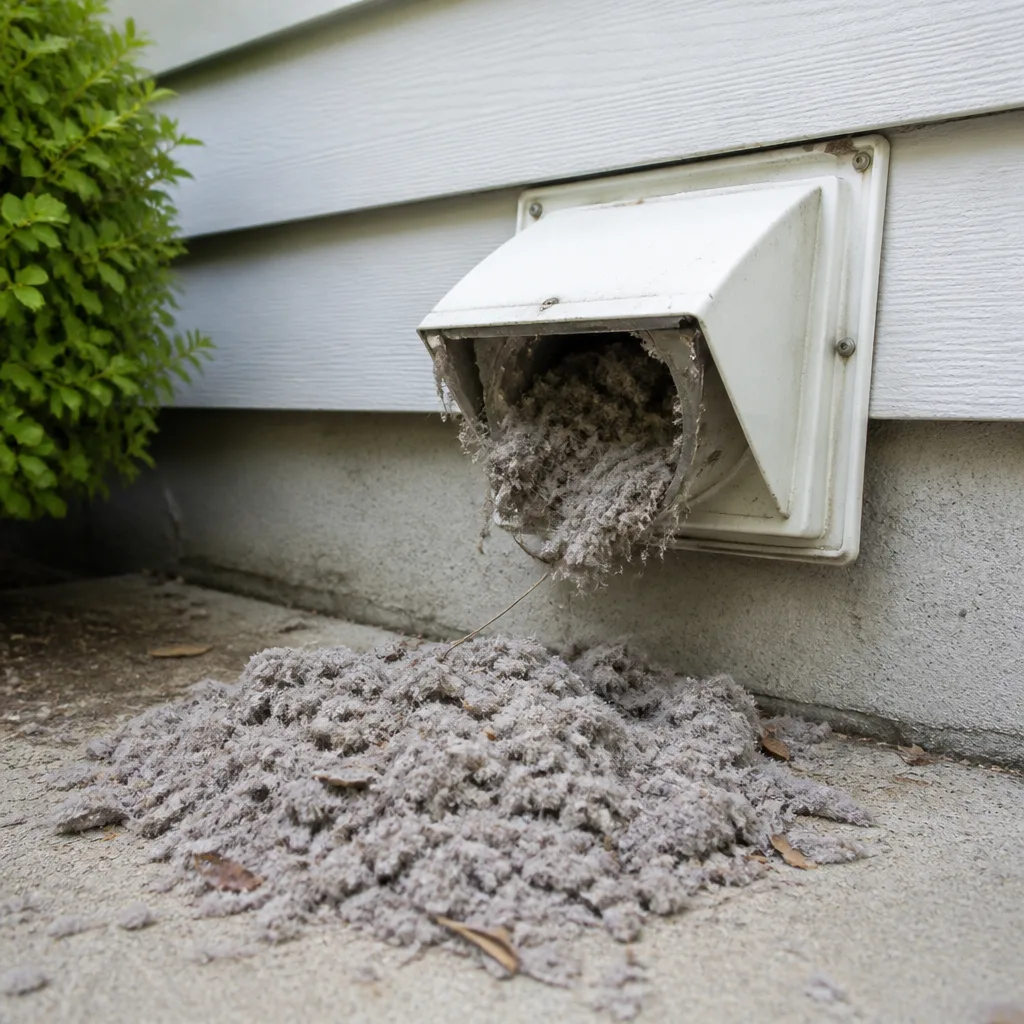 Dryer vent cleaning
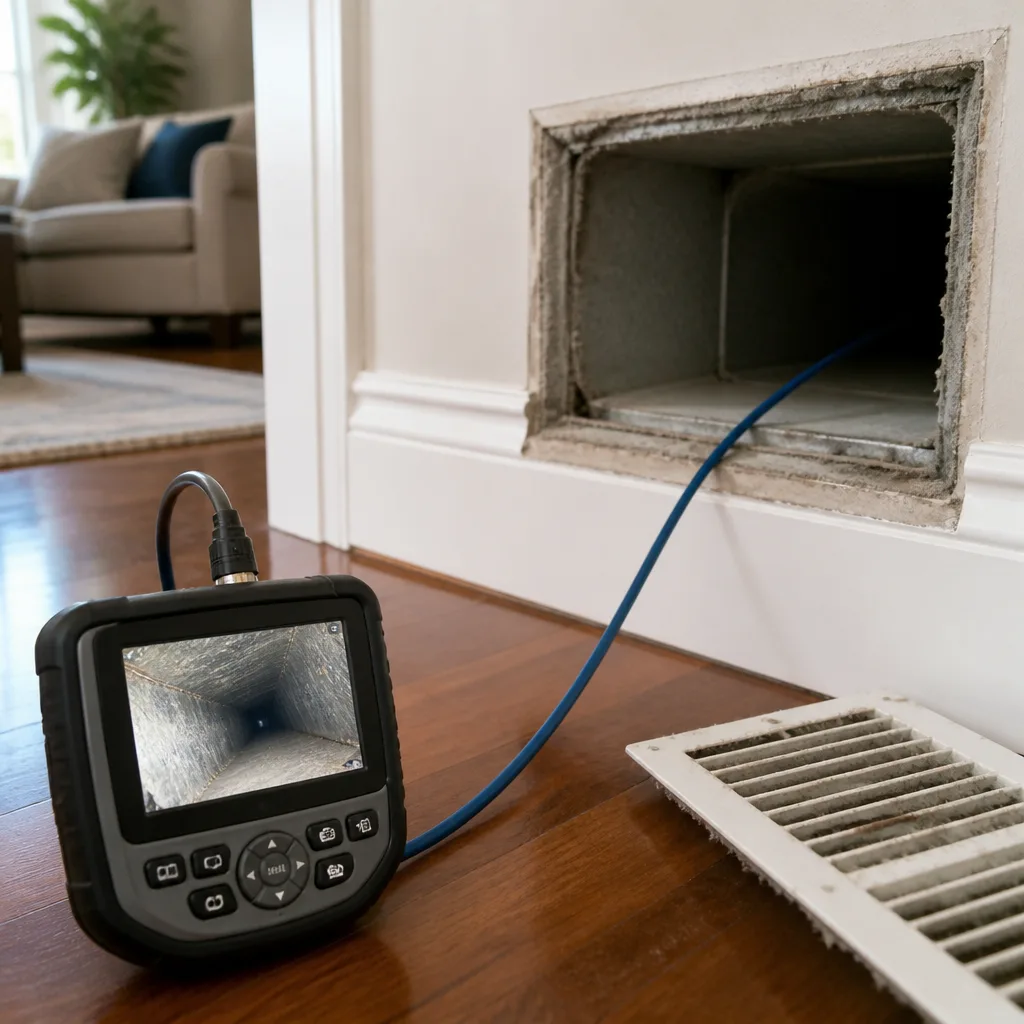 Camera inspection
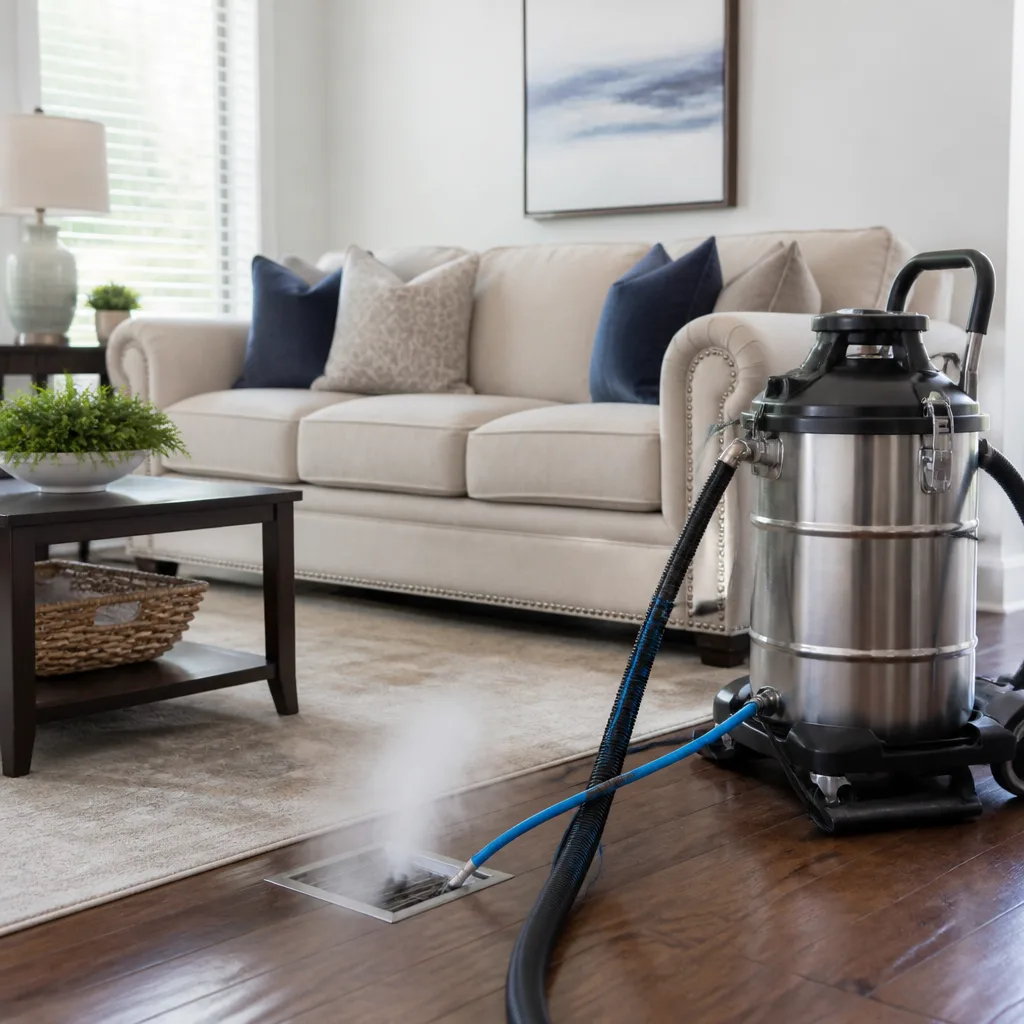 Sanitizing & deodorizing
Whole-system duct and dryer vent check with before-and-after photos - you see exactly what came out of your vents
That "$99 whole-house special" is a bait ad - the real number appears once they are in your hallway, or the "clean" is a shop-vac at the register. We photograph the inside of your ducts before and after instead.
Air Duct Cleaning Cost Breakdown: The Inwood Homeowner’s Reference for 2026
A $99 whole-house duct cleaning offer and a $600 quote from a NADCA-certified operator are rarely competing for the same job. That gap looks like margin to a homeowner, but it usually isn’t. It’s scope: what gets cleaned, how many access points get opened, what equipment gets dragged up the stairs, and whether sanitizing is a separate billable step or simply skipped. In Inwood, where apartment conversions and tight shared walls make every duct run a little different, understanding those components is what keeps you from paying twice – once for the cheap job, and again for the job that actually works. This guide breaks down what 2026 pricing looks like and why.
Quick Answer
Air duct cleaning in Inwood typically runs $300 to $700 for a whole-house system in 2026, and the wide range reflects real differences in scope rather than markups: number of supply and return points, whether access panels need cutting, and whether sanitizing or repair is included. Per-vent pricing below $60 per vent usually signals a shortened scope. Ask for a written flat rate per system, agreed before work starts, and the price is settled.
Styles & brands we work with
- Whole-home duct cleaning
- Dryer vent cleaning
- Camera inspection
- Sanitizing & deodorizing
Table of Contents
- What Are the Actual Cost Components?
- Why Does Per-Vent Pricing Hide the Real Cost?
- How Does Inwood’s Housing Density Change the Price?
- What Do Add-On Services Cost in 2026?
- Why Does Equipment Change the Quote?
- How Do You Compare Two Quotes the Right Way?
- When to Call a Professional
- Frequently Asked Questions
What Are the Actual Cost Components?
A duct cleaning quote isn’t one price for one product. It’s a stack of discrete line items, and every operator assembles that stack differently. Understanding the components is how you read a quote in Inwood without guessing which version of the service you’re actually buying.
Here’s what a transparent scope typically breaks into:
| Component | Typical 2026 range (Inwood) | What it covers |
|---|---|---|
| Labor per zone | $80 – $150 | Technician time clearing each branch run of the trunk-and-branch system |
| Equipment mobilization | $50 – $120 | Hauling and setting the negative-pressure vacuum and rotary brush rig |
| Supply and return points | Included in base or itemized | Each register and return grille reached and treated |
| Access panel cuts | $40 – $90 each | Cutting and finishing a service opening where none exists |
| Sanitizing | $100 – $250 | Apply after mechanical cleaning; a separate billable step |
| Duct repair and sealing | Quoted per breach | Mastic sealing of gaps, separations and unsealed joints |
That last row matters more than the others for older Inwood walkups. Original steel duct trunks in prewar buildings often have joints that were never sealed well to begin with, and cleaning without addressing them just resuspends the same debris through the same gaps. We’ve seen plenty of quotes that stop at cleaning and never mention the sealing step, which is a scope choice disguised as a price.
The written estimate should itemize these. If it doesn’t, you’re comparing totals without knowing what’s inside them, and that’s the fastest route to a pleasant-looking quote that turns into a much larger invoice on the day.
Why Does Per-Vent Pricing Hide the Real Cost?
Per-vent pricing is the industry’s favourite shortcut. It sounds fair and it’s easy to advertise. What it hides is the labor and equipment behind every vent, and whether the operator actually performs a full trunk-and-branch clean or just wipes the grille covers and vacuums the first few feet of each run.
Here’s what a per-vent title usually skips:
- Trunk cleaning. The main supply trunk can be the dirtiest part of the system and often isn’t counted in a per-vent figure.
- Negative pressure. Real containment means the vacuum holds a negative pressure on the whole system so debris is captured, not blown into the room.
- Return ducts. Some per-vent counts only supply registers and quietly exclude the return side, which carries the same air.
- Access. Cutting an access panel where there’s no existing service opening is real labor, and per-vent pricing tends to undercount it.
A transparent flat-rate scope per system, agreed before work begins, forces the operator to price the whole job honestly. It also protects you from the classic bait-and-switch sequence: a low advertised per-vent price, followed by a much larger invoice once the technician sees the actual layout. If you want to understand what full-system air duct cleaning should cover, the scope matters more than the headline number.
How Does Inwood’s Housing Density Change the Price?
Inwood is dense, and density costs money in ways a suburban quote never factors in. A crew working in a detached house can park the van in a driveway and run the vacuum hose a short distance. A crew working an Inwood walkup usually can’t.
The practical differences:
- Parking and street access. Metered parking, alternate-side rules and narrow one-way streets mean the van isn’t always where the equipment needs to be. Expect a two- to three-floor carry in some buildings.
- Stairwell carries. The negative-pressure vacuum and rotary brush rig come up by hand. That’s time, and time is the biggest line item in any quote.
- Shared systems. Apartment conversions often have duct runs that were retrofitted into existing wall cavities, with fewer accessible registers and more wall returns. Access panels may need cutting where none exist.
- Older building stock. Prewar buildings with original rectangular steel trunk lines often need more sealing work after the clean.
- Lower baseline airflow. A system serving a converted apartment may have smaller duct runs than a purpose-built house, which changes the time estimate but not the equipment cost.
Climate plays a quiet role too. Inwood’s damp summers and cold, wet winters make humidity control a real concern, and a duct system that isn’t sealed well carries that moisture into the living space. Seal and sanitize after cleaning and the difference shows up in comfort, not just appearance. That’s why we push the full air-pathway approach in dense buildings: cleaning alone leaves the weak points in place.
What Do Add-On Services Cost in 2026?
Add-ons are where the biggest scope discrepancies live, because they’re most often listed as an “or” on a one-page flyer. Realistic 2026 Inwood ranges for each service, quoted per job, look like this:
- Dryer vent cleaning: typically $110 to $200. Lint build-up is a real fire hazard, not an HVAC upsell, and it’s worth doing separately from duct cleaning when the vent run is long or has multiple bends.
- Coil cleaning: typically $90 to $220. The evaporator and condenser coils are where blockages actually reduce efficiency. This is the HVAC cleaning step that most duct-only jobs skip.
- Duct sealing with mastic: quoted per breach, often $150 to $400 for a typical set of leaks. This is the fix for energy loss and re-contamination that cleaning alone can’t solve.
- UV sanitizing: typically $100 to $250 as an add-on. Be clear about placement before you pay for it.
- Full sanitizing (Guardsman-grade): $100 to $250 as a separate billable step, applied after mechanical cleaning.
If your system has a dryer vent that shares a wall with the living space, it’s worth scheduling dryer vent cleaning in the same visit to avoid a second mobilization charge. That’s a convenience, not a discount – the price is per job, set by the written estimate.
Where the quote gets murky is the phrase “sanitizing included.” Ask what product, what application method, and how it’s verified. A spray bottle of generic disinfectant is not the same as a Guardsman-grade treatment applied post-cleaning.
Why Does Equipment Change the Quote?
Equipment is the single largest driver of price differences that look arbitrary from the outside. A company hauling a shop-vac and a brush wand can charge far less because the job takes a fraction of the time and reaches only the accessible surfaces. A company running a Rotobrush or Nikro system with an Abatement Technologies HEPA vacuum under negative pressure is doing something different, and the quote reflects it.
What the equipment actually determines:
- Reach. Rotary brush systems clean the full interior surface of the duct wall, not just the part a hand tool can reach.
- Containment. HEPA filtration and negative pressure keep the debris from coming back into the room once it’s knocked loose.
- Verification. On equipment that runs with proper containment, before-and-after photos are meaningful evidence. On a shop-vac, there’s nothing to photograph that proves the work.
- Safe handling of older systems. HVAC cleaning involves the blower, coil and drain pan; equipment matters and so does training. Our technicians have up to 8 years of experience across these systems.
If a quote is dramatically lower than the others, the first question to ask is what equipment shows up. The second is what the operator will show you when they’re done. “See the difference before we leave” is only credible when there’s equipment capable of producing that difference.
How Do You Compare Two Quotes the Right Way?
Comparing totals is the wrong move. Two numbers on two pages tell you almost nothing. Compare scopes, line by line, and ask what each number actually covers.
- Check the horizontal. Does the quote say “supply and return” or just “supply”? A return-only half-job is cheaper for a reason.
- Ask about the trunk. Is the main trunk line cleaned or not? It’s the largest duct and often the dirtiest.
- Count access points. Are existing panels being used, or is the quote assuming no new cuts? New access panels are billable labor.
- Confirm the pressure setup. Does the quote specify negative pressure? If the operator can’t say, the containment standard probably isn’t there.
- Get the written flat rate. One flat price per system, agreed before work starts, is the only way to avoid the low-quote-to-large-invoice move.
- Ask what the before-and-after photos look like. If the answer is “we’ll show you the vent”, that’s not verification.
- Confirm whether the quote covers sanitizing. It should be a separate line, not a surprise.
Two clear quotes compared this way will quickly reveal whether the low number is a smaller job, an unbundled price, or something no equipment on the job can actually deliver. That’s also why the parent guide to air duct cleaning in Inwood frames the service around scope rather than a headline fee.
See the difference
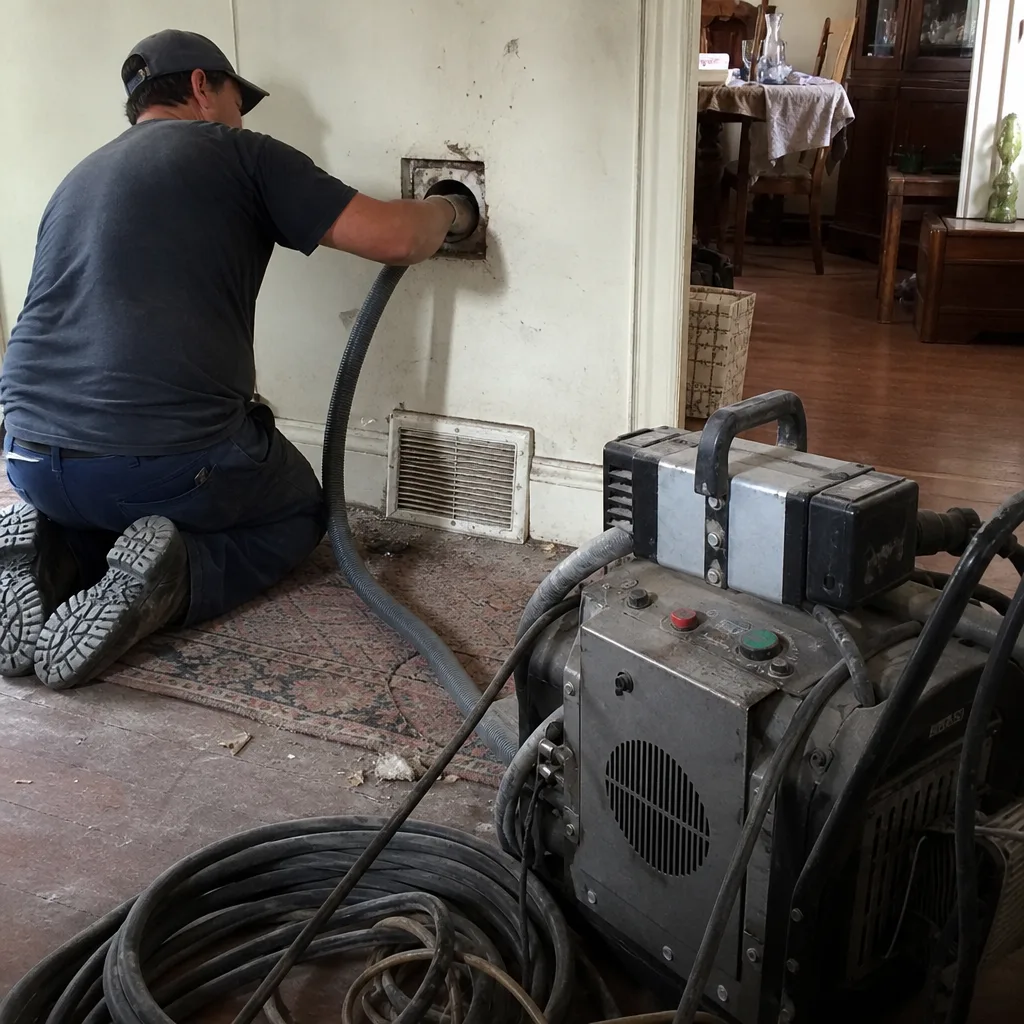 Before
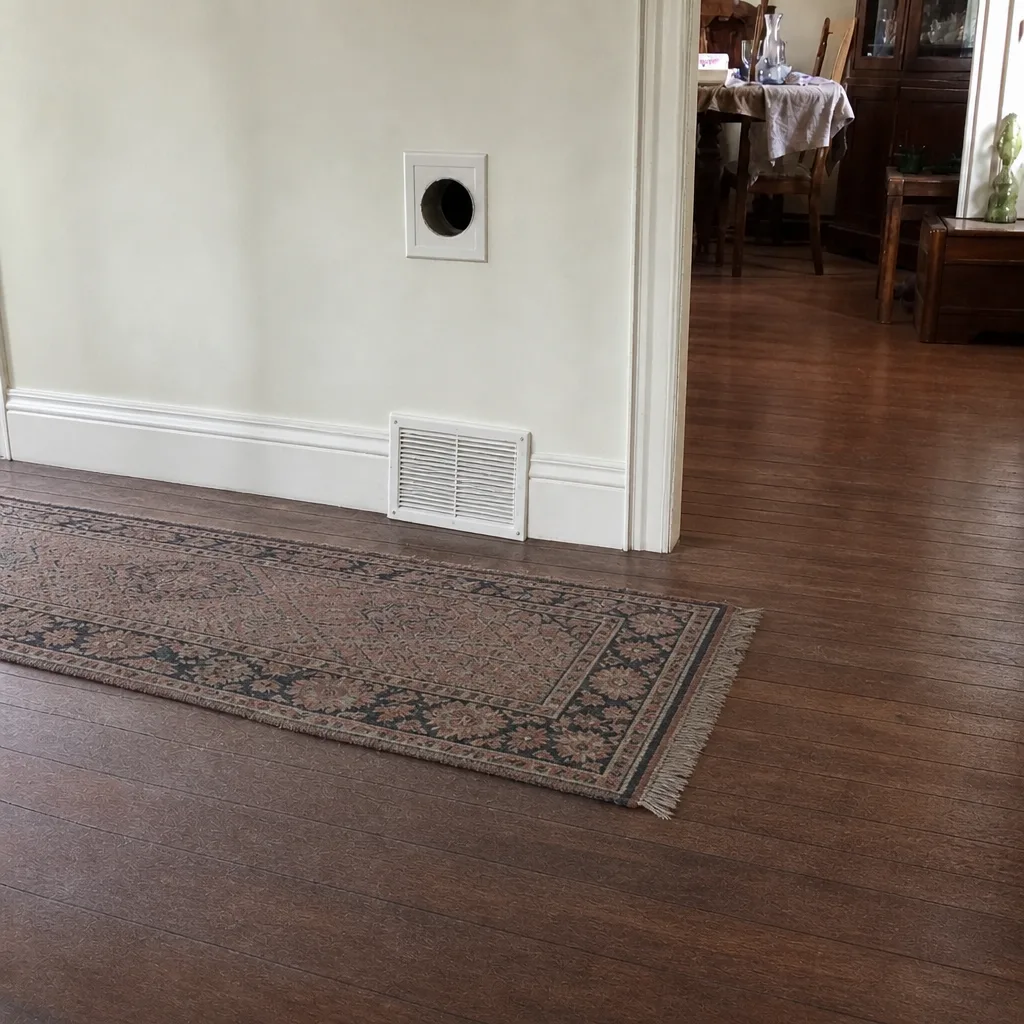 After
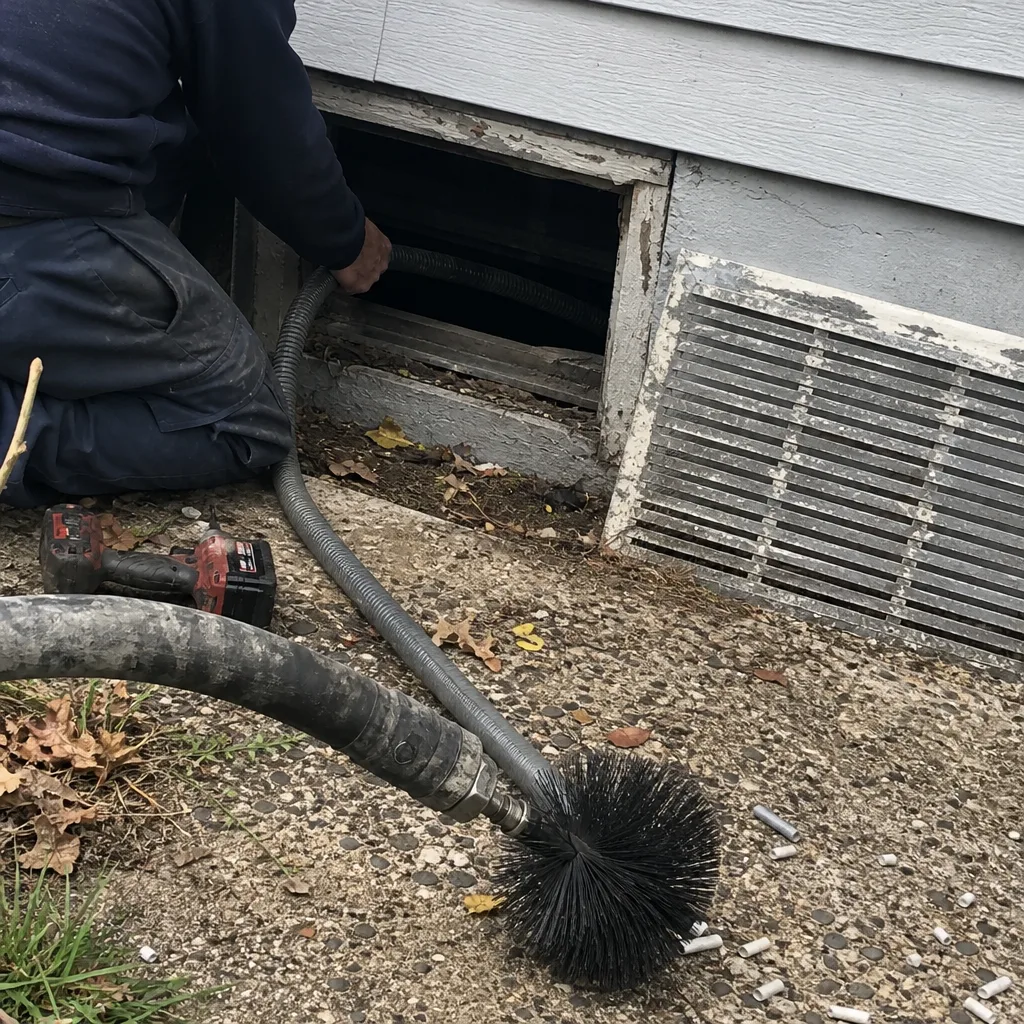 Before
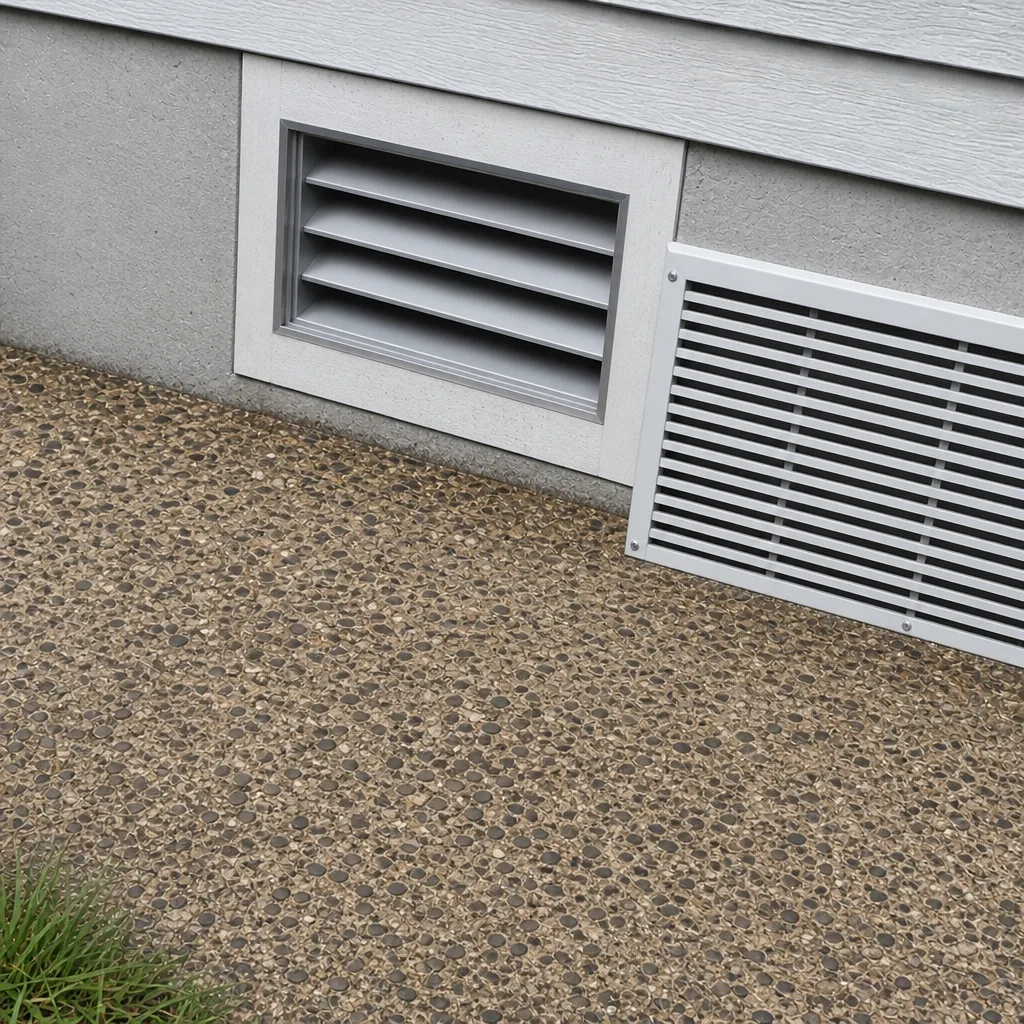 After
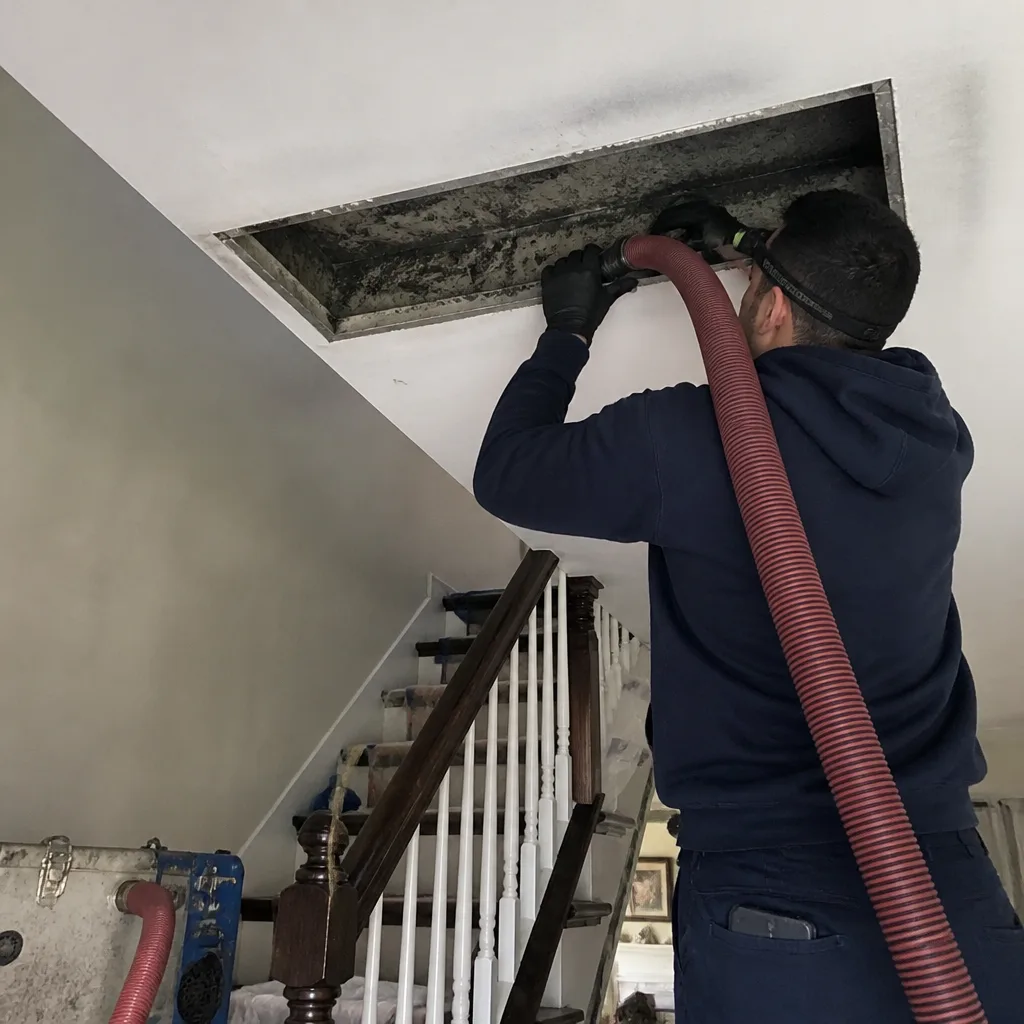 Before
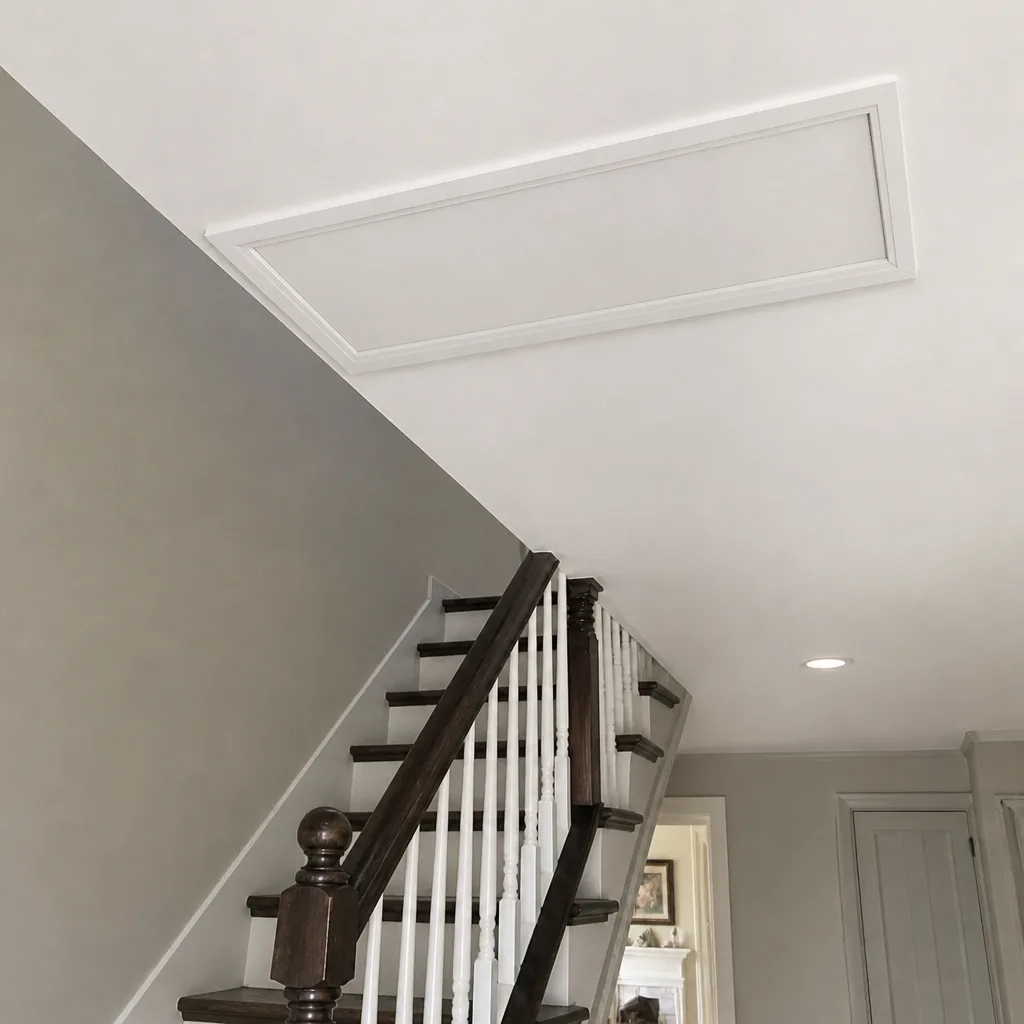 After
Common Mistakes to Avoid
- Choosing on the total alone. A low total often means a low scope. Ask what’s inside the number, not just what it is.
- Assuming it’s a per-vent service. In an Inwood walkup with tight routes and wall returns, per-vent counts are an unreliable basis for a decision.
- Letting the technician define scope on site. The written flat rate should be agreed before anyone starts cutting access panels.
- Skipping the sealing step. Cleaning without sealing leaves the joints and gaps that re-contaminate the system.
- Not asking what equipment shows up. Shop-vac rigs and rotary brush systems produce very different results, and different prices.
- Forgetting the dryer vent. It’s a separate fire-safety concern and often a separate line item; check that it’s listed.
- Booking someone who can’t show before-and-after photos. If the work isn’t verifiable, it’s not easy to check it was done correctly.
When to Call a Professional
If you notice musty odours when the system turns on, visible debris or dust blowing from registers, a recent renovation that pushed drywall dust through the return side, or allergy symptoms that get worse indoors, it’s time to get an estimate rather than guess. A full duct system clean addresses the source, and if you’ve never had one done, it’s the baseline. If airflow is weak or the HVAC unit hasn’t been serviced, that’s the sign to book an HVAC cleaning as well – the two are the same air pathway. And if a duct has visibly separated at a joint, don’t just clean it: repair and seal it. Air Duct Cleaning Inwood offers free estimates in Inwood – call (855) 974-7305. We answer 24/7, with fast dispatch from 7am to 7pm, Sunday through Friday.
Frequently Asked Questions
A typical whole-house system in Inwood runs $300 to $700 in 2026, depending on the number of supply and return points, access panel work, and whether sanitizing or repair is included. The written estimate sets the final price. Call (855) 974-7305 for an exact quote – estimates are free.
Because the scope is different, not because the operator has lower margins. A cheap quote usually means fewer registers, no trunk cleaning, no negative-pressure containment, or a shop-vac in place of a rotary brush system. Compare line items, not totals. Call (855) 974-7305 to talk through a quote.
Ask for before-and-after photos of your own ducts, taken on site by the technician. Real containment equipment produces evidence; a shop-vac doesn’t. On a proper system, you can see the difference before we leave. Call (855) 974-7305 with any questions about what’s shown.
Most homes do fine with a full cleaning every three to five years, or more often after renovation dust, pets, or noticeable musty odour. In an older Inwood building with original steel ductwork, sealing a few gaps after the clean often matters more than frequency. Call (855) 974-7305 to get a specific recommendation.
It can, because the source of the irritants is often the accumulated dust and debris inside the return side of the system. Cleaning removes the material, and a Guardsman-grade sanitizing step addresses microbial growth and odour at the source. It’s not a medical fix, and it’s worth pairing with sealing so the ducts don’t re-contaminate. Call (855) 974-7305 to discuss what your system needs.
No. Dryer vent cleaning is a separate service and a separate line item, typically $110 to $200 in the Inwood area. It’s worth booking together with duct cleaning to save a second mobilization charge. Call (855) 974-7305 for a combined estimate.
The Bottom Line
The gap between a $99 offer and a $600 quote isn’t a gap in margins – it’s a gap in scope. In Inwood, where dense walkups and older retrofitted systems add real labor, the pricing that holds up is the one built around a written flat rate per system, transparent line items, and professional equipment like Rotobrush or Nikro with real containment. Two quotes compared line by line will tell you which one is actually doing the work. That’s the whole point of understanding the components: you pay once, for the job that gets done.
Call (855) 974-7305. We answer 24/7. Fast dispatch from 7am to 7pm, Sunday through Friday. Estimates are free, and a written estimate sets the final price.
Written by the team at Air Duct Cleaning Inwood.