
Last updated November 22, 2026
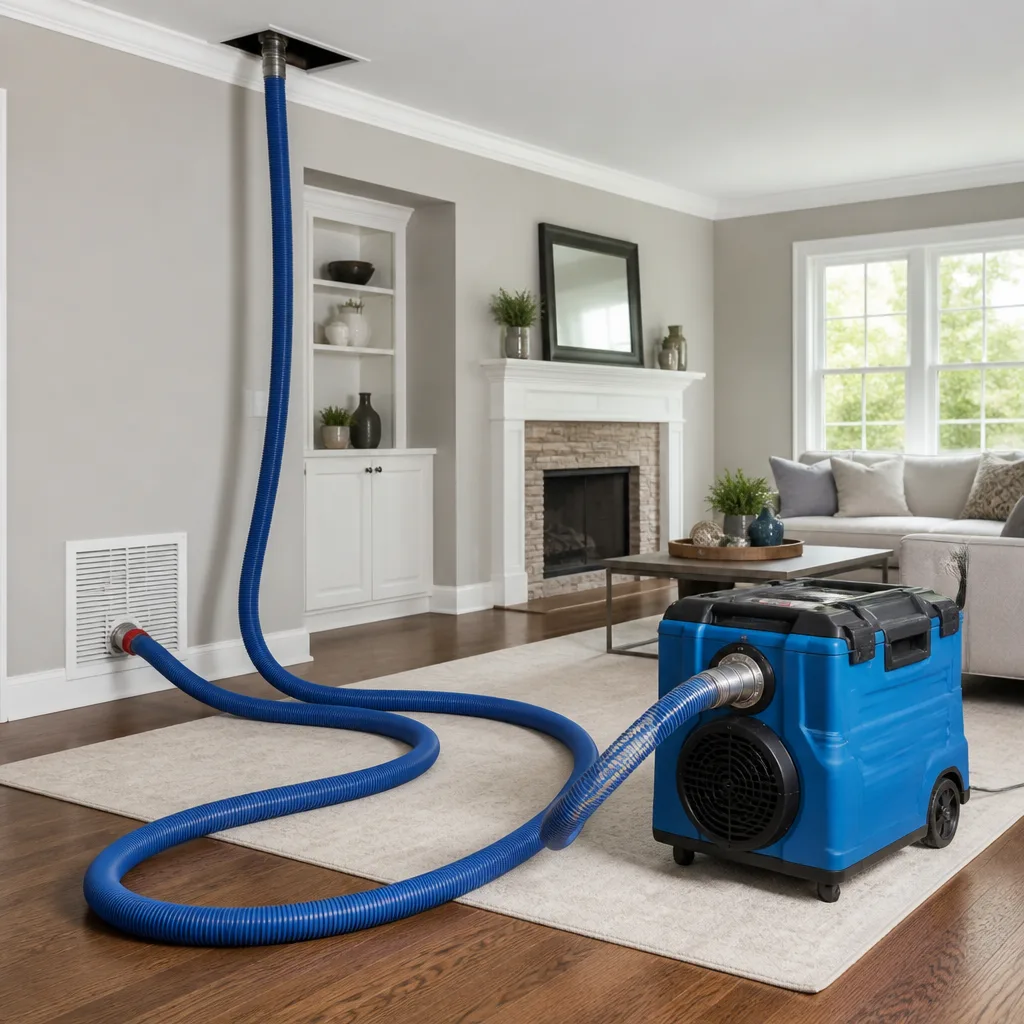 Whole-home duct cleaning
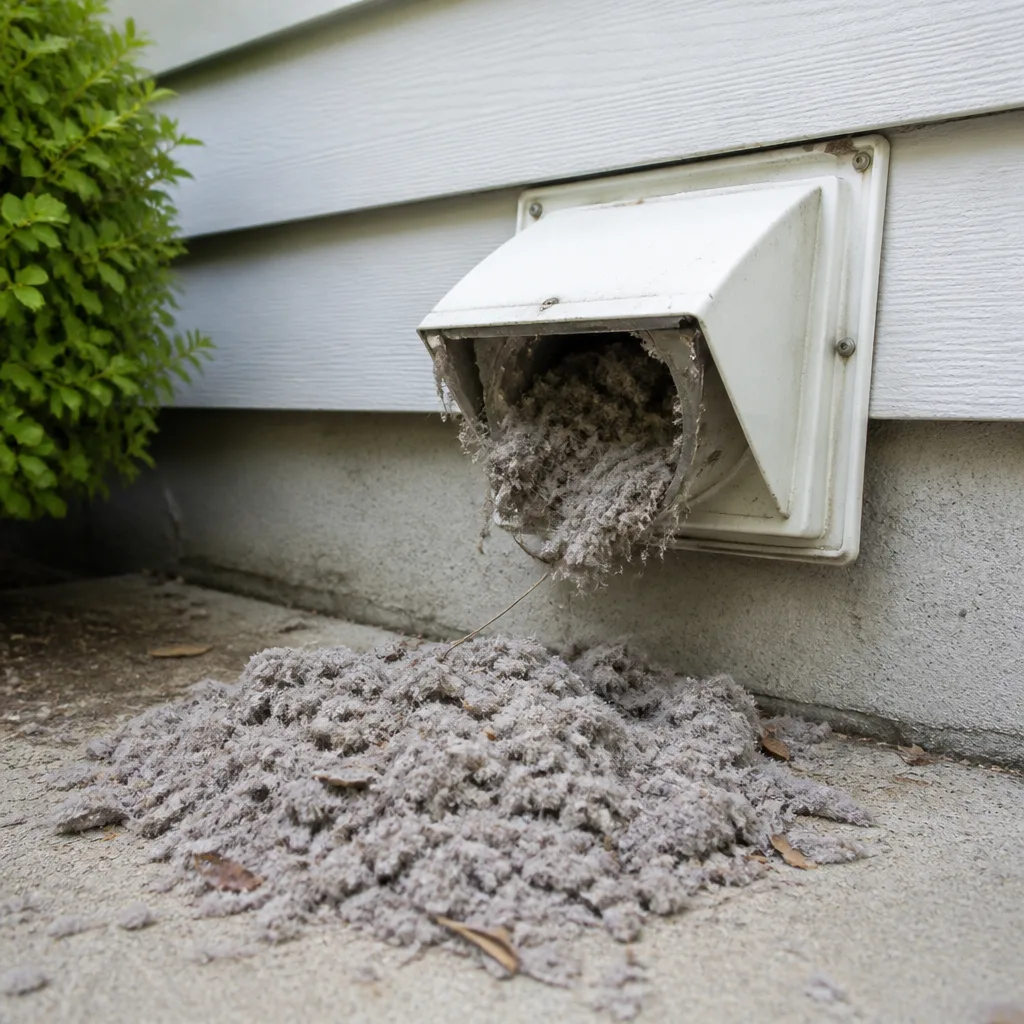 Dryer vent cleaning
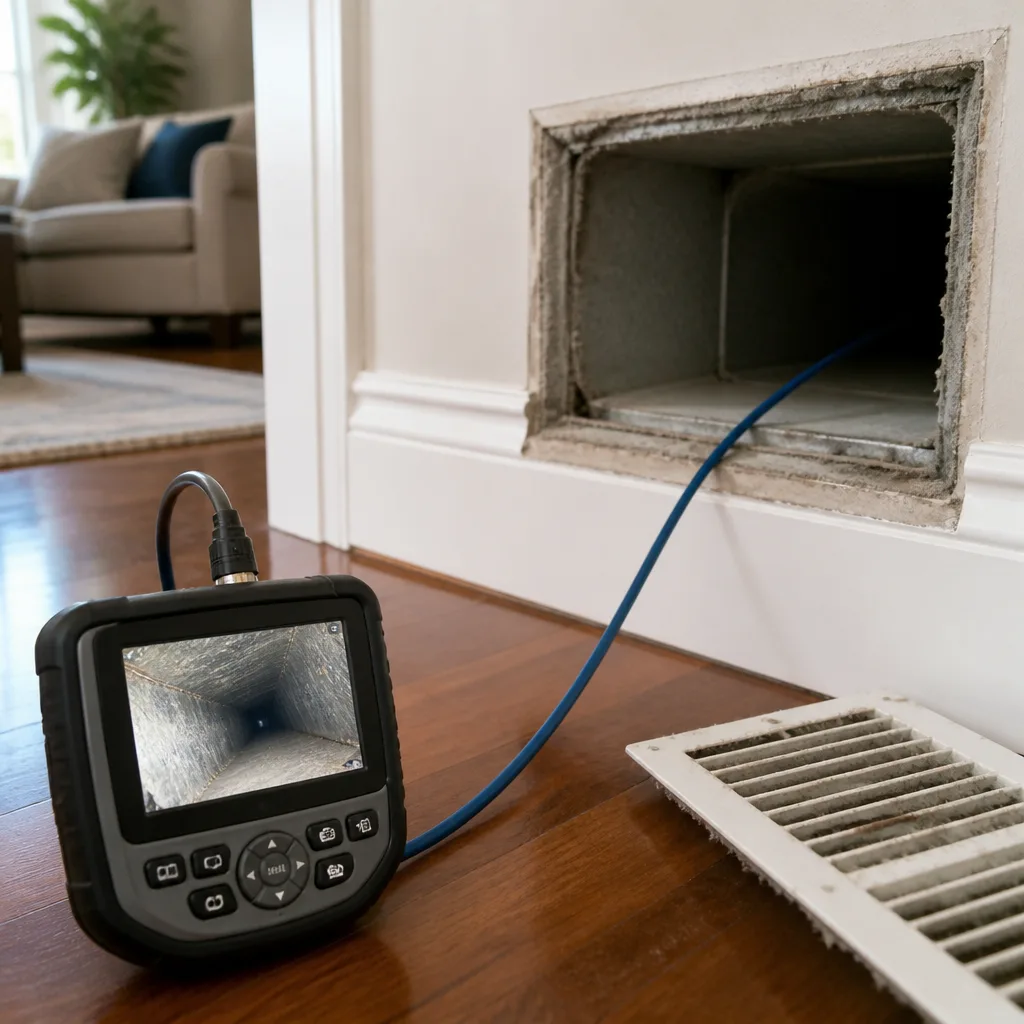 Camera inspection
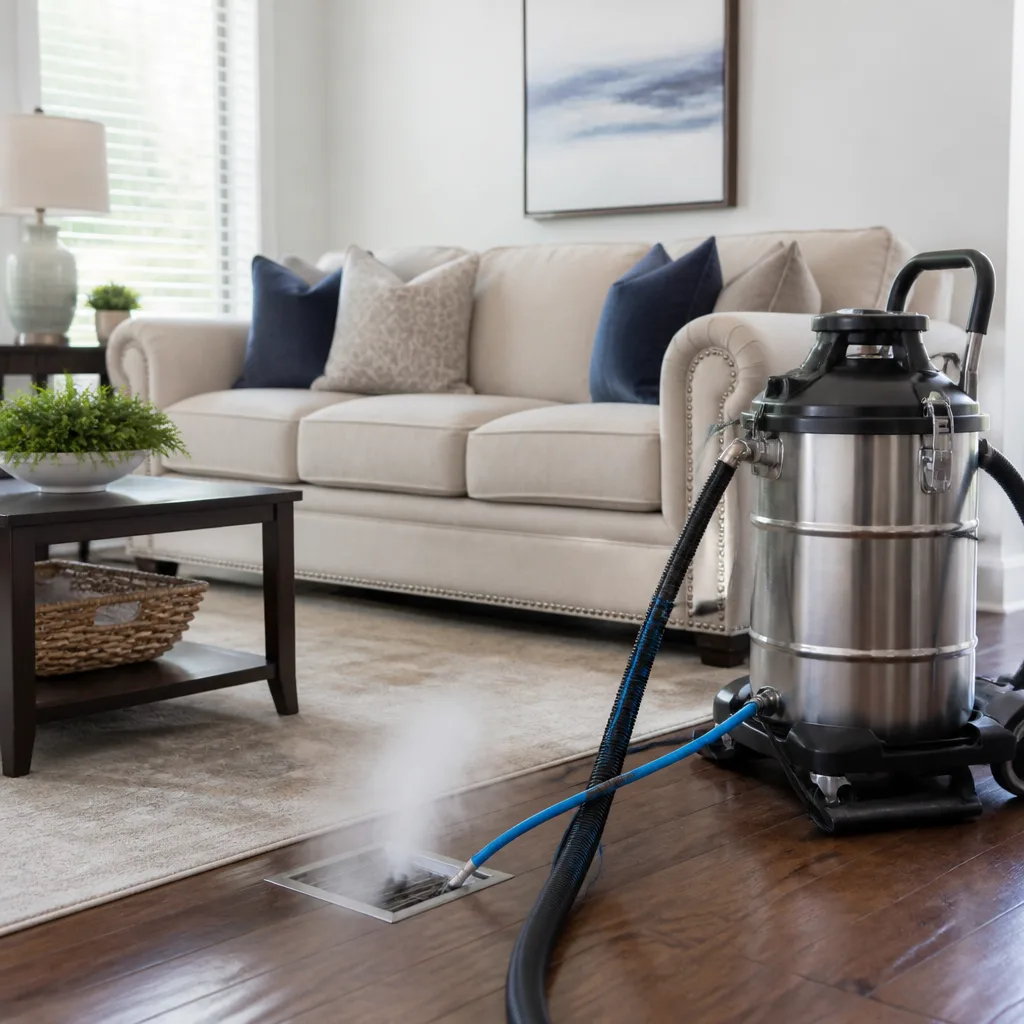 Sanitizing & deodorizing
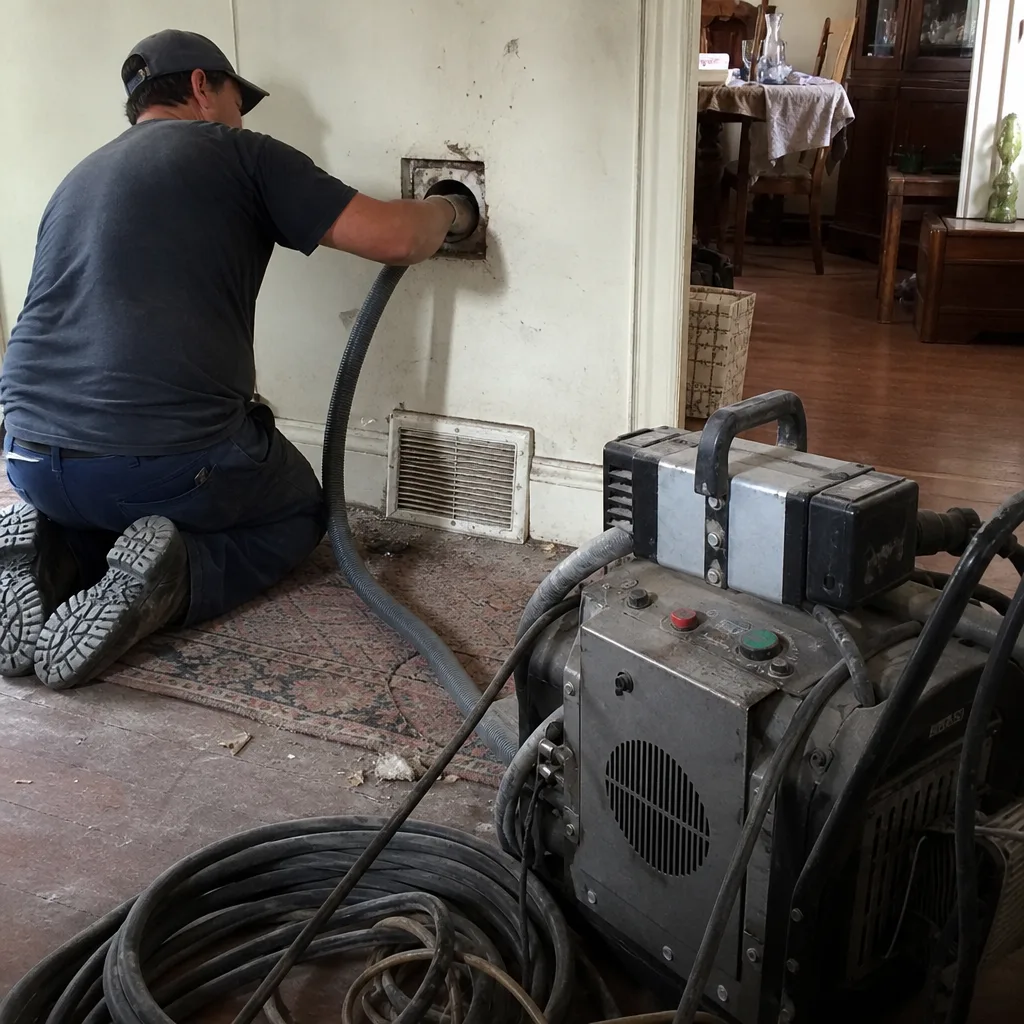
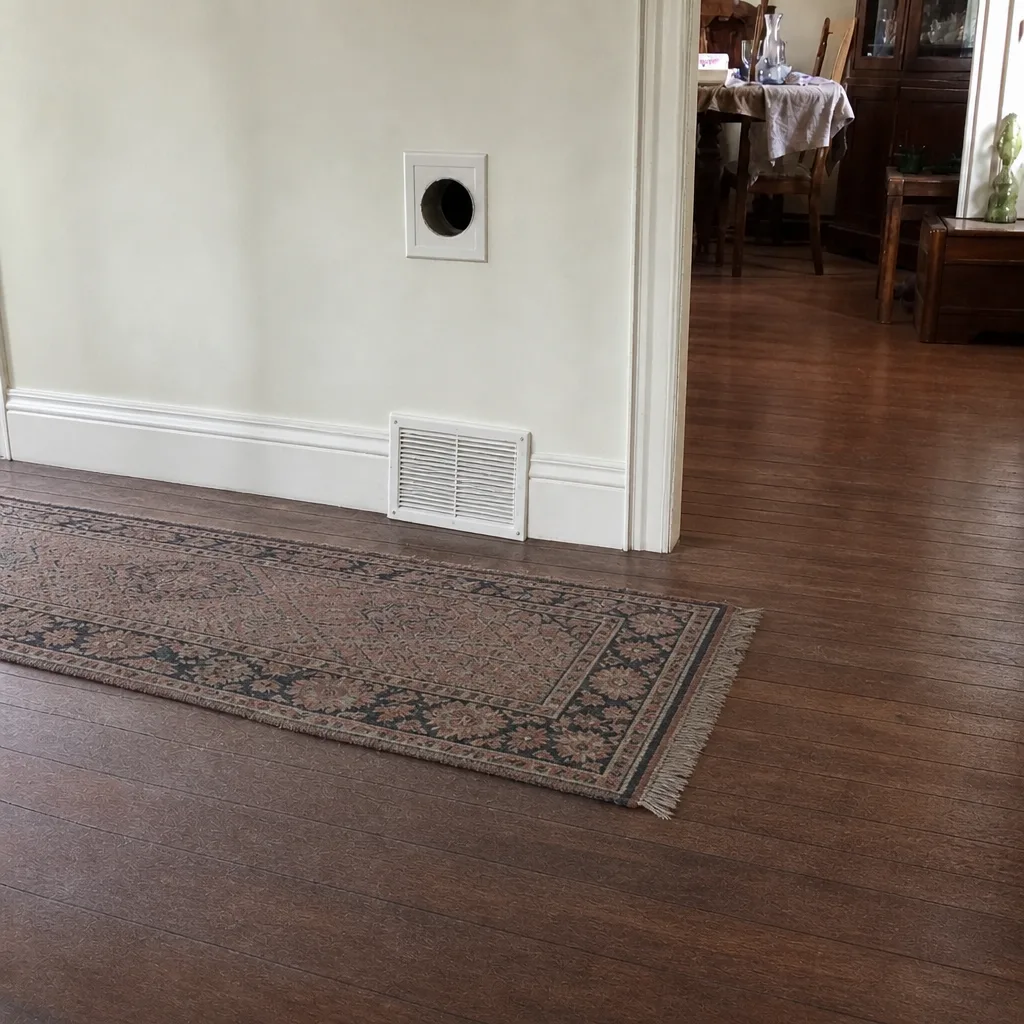
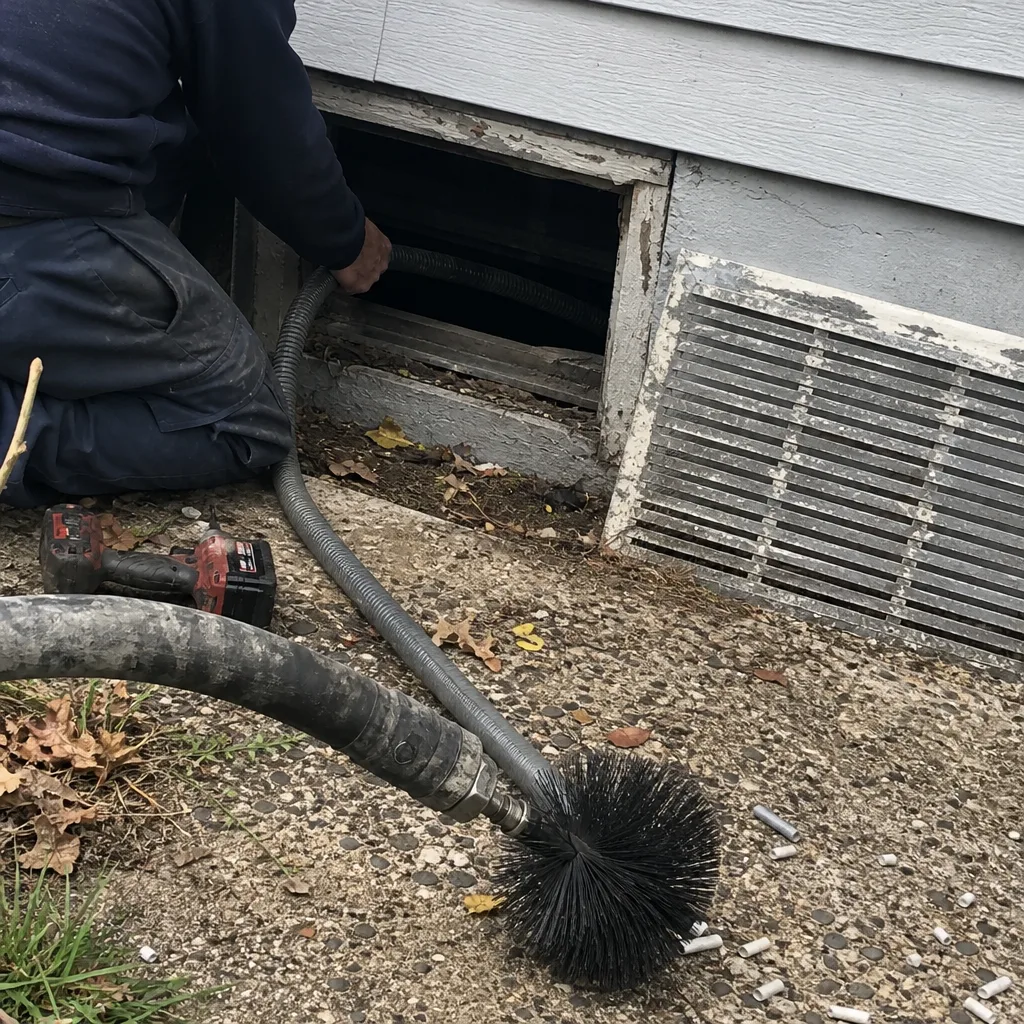
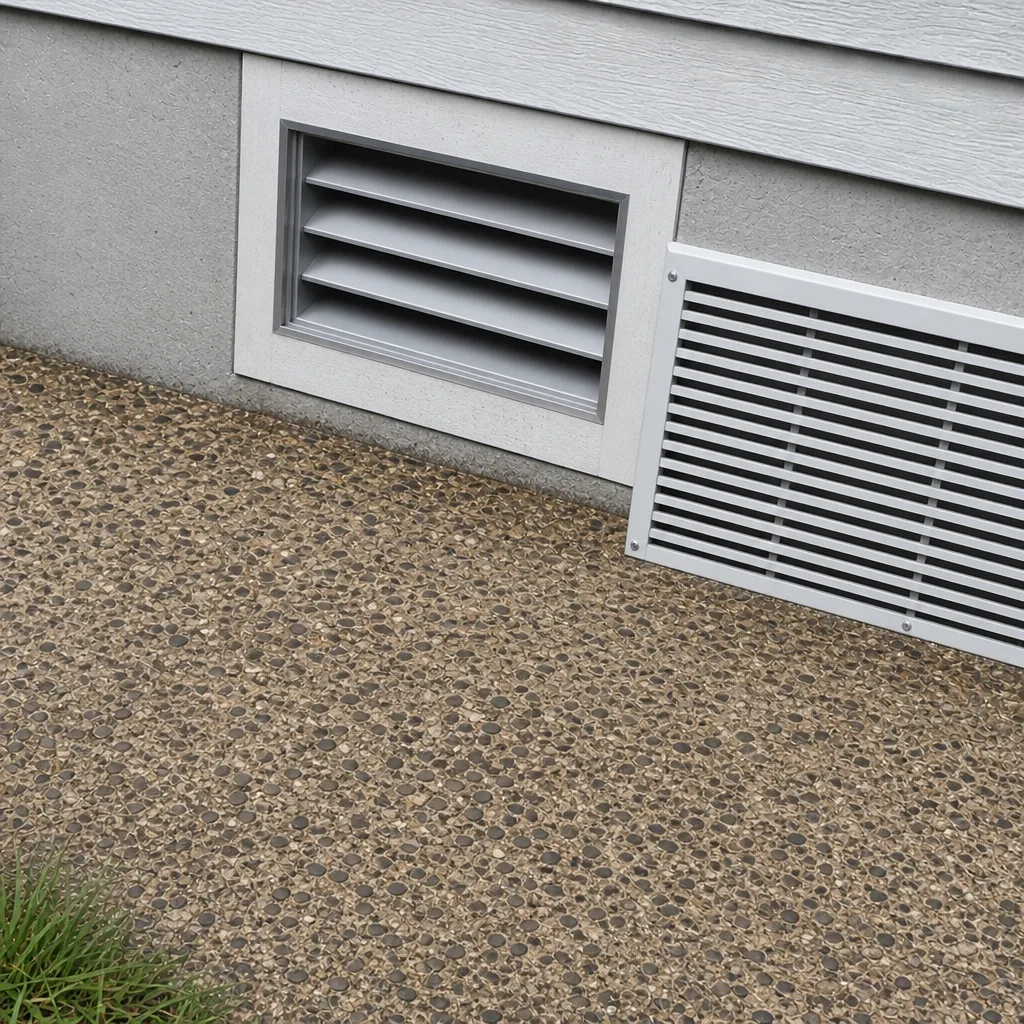
Whole-system duct and dryer vent check with before-and-after photos - you see exactly what came out of your vents
That "$99 whole-house special" is a bait ad - the real number appears once they are in your hallway, or the "clean" is a shop-vac at the register. We photograph the inside of your ducts before and after instead.
The Complete Guide to Air Duct Cleaning in Inwood
Most air duct cleaning guides describe the same generic process: a technician arrives, runs a vacuum, and hands you a bill. That’s not what determines whether a cleaning actually works. In Inwood, a high concentration of pre-1970s homes still runs on original galvanized ductwork, and that changes everything. A shop-vac rig might dislodge dust from a register, but it doesn’t fully extract debris from old seam-heavy trunk lines, so contaminants settle back within hours. The equipment choice is the job. This guide maps the airflow architecture common in Inwood housing, explains what a real source-removal clean involves, and shows you how to confirm the work was actually done.
Quick Answer
Air duct cleaning in Inwood means full source removal: negative-pressure containment, mechanical agitation of every duct run, and extraction of the dislodged debris, followed by coil, drain pan, and register cleaning. On Inwood’s older galvanized systems, professional-grade equipment like Rotobrush and Nikro systems is what makes the difference between a cosmetic pass and a verifiable clean. Expect results you can see in before-and-after video and confirm with airflow readings.
Styles & brands we work with
- Whole-home duct cleaning
- Dryer vent cleaning
- Camera inspection
- Sanitizing & deodorizing
Table of Contents
- Why Inwood’s Ductwork Is Different
- What Source-Removal Cleaning Actually Means
- Why Equipment Choice Determines the Result
- The Full Air Pathway: Beyond the Registers
- How to Confirm Your Cleaning Worked
- Duct Challenges by Building Type in Inwood
- How Often Ducts in Inwood Really Need Cleaning
- What a Professional Cleaning Looks Like, Step by Step
Why Inwood’s Ductwork Is Different
Inwood is one of the last neighborhoods in Manhattan where a large share of the housing stock predates 1970, and that’s visible in the ducts. Pre-war co-op buildings and attached row houses throughout the neighborhood were built with galvanized steel ducting, often rectangular main trunks with hand-seamed joints and short branch runs feeding individual rooms. Over decades, those seams collect fine dust, and the interior surfaces of galvanized metal develop a rougher oxide layer that grabs debris in a way modern smooth-lined duct doesn’t.
That matters because the geometry of older systems fights a standard cleaning. The trunk lines are wider and less accessible, the branch runs are shorter with more directional turns, and the seams themselves trap material that a straight-line vacuum can’t reach. If the equipment doesn’t agitate the duct walls, debris stays put and blows back into the living space.
Inwood also sits where the Harlem River meets the northern tip of Manhattan, which funnels both traffic-borne particulate from the nearby major roadways and the seasonal humidity swings that come with a river-adjacent climate. Humid summers give dust and biological growth the moisture they need to cling; dry winters make everything brittle enough to go airborne the moment the heat kicks on. Ducts in Inwood see a wider range of conditions than ducts in a climate that stays moderate year-round.
If you live in an older building and the ducts have never been serviced, the accumulated load isn’t cosmetic. Our Air Duct Cleaning Inwood service starts with an assessment of what your specific duct geometry actually needs before any equipment comes in.
What Source-Removal Cleaning Actually Means
Source-removal cleaning means dislodging debris from every surface of the duct system and removing it from the building, not just pushing it around. The two components that make this work are negative pressure and mechanical agitation, and most budget services have one or neither.
Here’s the practical difference:
- Budget cleaning (surface pass): A shop-vac or consumer-grade vacuum is attached at one register while a brush or air whip is pushed a short distance into the accessible run. Debris loosens, but the vacuum can’t hold negative pressure across the whole system, so particles escape into the rooms or settle back into the trunk lines. If any containment exists, it’s usually a tarp over a single return.
- Source-removal cleaning: A high-capacity negative-pressure machine is connected to the main trunk, pulling the entire system into slight negative pressure. That means when agitation happens anywhere in the ductwork, air flows toward the vacuum rather than out into the living space. A rotary brush or air whip is then driven the full length of each run, agitating every wall of the duct. Containment is maintained the entire time. Debris leaves the building with the extraction unit.
The gap between those two approaches shows up in the air. With no sustained negative pressure, the very debris you paid to remove re-enters the room and resettles on the same surfaces, the same furniture, the same return grilles. In our experience on Inwood’s older galvanized systems, a surface pass often looks clean at the register and leaves the trunk line untouched.
When we talk about air duct cleaning, this is the core of what we mean: negative pressure held throughout, full-length agitation, extraction to the machine. Anything less is a partial job.
Why Equipment Choice Determines the Result
Professional-grade duct cleaning systems are built around negative-pressure containment and high-volume extraction. Consumer-grade vacuums aren’t. The two pieces of equipment that do this work on most Inwood jobs are Rotobrush and Nikro systems.
Rotobrush is a rotary brush system with a built-in high-efficiency vacuum. The brush head is driven into the duct run while the vacuum captures loosened debris at the brush itself, so the extraction travels with the agitation. Nikro systems offer high-capacity negative-pressure units and air-whip tooling that agitate the interior of the duct with directed high-velocity air. Both are specified by NADCA-aligned professionals because they’re built to hold containment and extract fully, not just loosen surface dust.
We also use Abatement Technologies equipment for containment and negative pressure setup, the same category of gear used in remediation work where air control is non-negotiable. That’s the point: on old Inwood ductwork, the difference between a cleaning and a recontamination event is whether the system stays under negative pressure from the start of the job to the end.
Equipment isn’t a marketing detail. If your cleaning is done with equipment that can’t hold the system under negative pressure, you can’t verify what was removed. With the right gear, you can, and that’s what we build every estimate around.
The Full Air Pathway: Beyond the Registers
Air doesn’t travel just through supply ductwork. It moves through a system, and any part that stays dirty keeps feeding the rest. A complete clean covers the full air pathway, not just the supply runs a technician can reach from the registers.
Here’s what that includes:
- Supply trunk and branch runs: The ducts that deliver conditioned air to rooms. On Inwood’s older buildings, these are usually galvanized rectangular mains with short branches, and the seams are where debris collects most heavily. Full-length agitation is required on every run.
- Return ductwork: The path that pulls air back to the air handler. Returns often carry more visible dust than supplies because they draw from floor-level grilles in every room. They’re also the piece most budget cleanings skip entirely.
- Main trunk line: The largest duct in the system, and the connection point for the negative-pressure machine. Cleaning the trunk is what allows the rest of the system to stay under extraction during agitation.
- Evaporator coil: The finned coil sits in the air handler and condenses moisture out of the air. It’s a magnet for dust and biological growth in humid months, and a dirty coil restricts airflow and strains the system. Coil cleaning is part of any complete job.
- Drain pan: Condensate collects here, and standing water in a dark enclosure is exactly the environment microbial growth needs. If the pan isn’t cleaned, you’ve cleaned the ducts but left the source.
- Registers and grilles: Removed and cleaned, not just wiped. Dust on the grille faces gets pushed back into the room by airflow within days if it isn’t pulled out.
We cover the entire path in one visit, including HVAC cleaning for the air handler and coil, so you don’t need a second contractor for the system behind the ducts. If the system has breaches or disconnected joints, cleaning alone won’t fix them, which is why our duct repair and sealing service exists as part of the same pathway.
How to Confirm Your Cleaning Worked
You can verify a cleaning with three tools: before-and-after video inspection, airflow readings, and a look at what came out. Any honest duct cleaner should be willing to show you all three before they leave.
Start with video inspection. A borescope or inspection camera run through the main trunk before the job captures what the system actually holds: dust buildup, debris in seams, microbial staining. The same camera run after the job shows the duct interior clean. This isn’t an extra; we shoot before-and-after video as a matter of course because it’s the one thing that proves the work rather than describes it.
Next, airflow. Airflow readings taken at registers before and after cleaning show whether the system is delivering the air it should. A dirty coil or clogged return will show measurably lower airflow; after a proper clean, those readings should improve. If they don’t, something was missed.
Finally, extraction volume. A professional negative-pressure system collects the debris in a sealed container. A responsible technician will show you what came out and let you see it before it’s hauled away. If a job produces almost nothing, either your ducts weren’t dirty or the equipment never extracted anything. It’s one or the other.
Any service that promises “we cleaned the ducts” without offering at least a visual before-and-after has given you no way to check. With the right equipment and a couple of simple displays, the job either stands up or it doesn’t.
Duct Challenges by Building Type in Inwood
Not every Inwood home presents the same duct problem. The building type shapes the geometry, and the geometry shapes the equipment and approach a job needs.
Pre-War Co-Ops
Pre-war co-ops throughout Inwood often share a central vertical shaft, with individual units fed from risers that run the full height of the building. Inside each unit, short branch runs feed the rooms. The shared shaft is the challenge: contamination in one unit’s ductwork can migrate upward, and the riser is common property that may require coordination with the building. When working in a co-op, ask building management about the riser and whether prior cleaning has been done on the shared system. Silent dust migration from neighboring units over decades is common in these buildings, and cleaning one unit’s branches without understanding the shaft can leave you recontaminated within months.
Attached Row Houses
Row houses common across Inwood were built with long horizontal trunk runs under floors or in dropped ceilings, often with flex duct retrofitted during later HVAC upgrades. The combination of original galvanized trunk and retrofitted flex runs is where problems hide. Flex duct sags over time and can tear at connections, creating a leak that pulls attic or crawlspace air into the system. Sealing those breaches before cleaning is often the difference between a clean system and one that keeps re-entering circulation. That’s where our duct repair and sealing service matters: if a flex run has breached, cleaning won’t hold unless the breach is closed.
Postwar Ranches
Postwar ranches tend to have simpler duct layouts, often single-story, with trunk and branch runs running through attic or crawlspace. Access is usually better, and the duct geometry is more predictable. The complication in these homes is usually the coil and drain pan rather than the ducts themselves, especially when an older system has been retrofitted with a newer air handler that doesn’t drain properly. If drain pan issues are ignored, moisture and microbial growth return regardless of how clean the ducts are.
Each of these building types needs a different assessment before the equipment comes in. Our free estimate starts with that assessment: walking the system, opening panels, and understanding where the ducts actually run before we make recommendations.
How Often Ducts in Inwood Really Need Cleaning
The honest answer is that most Inwood homes don’t need annual duct cleaning. Ducts in a well-maintained system with a clean filter and no moisture problems stay reasonably clean for several years. The question is never “how often should ducts be cleaned” in the abstract; it’s whether your specific system has a condition that requires it.
Reasons to schedule a cleaning in Inwood:
- You’ve recently renovated, and the ducts likely pulled construction dust into the system during the work.
- Dust appears on surfaces within days of cleaning it, which often signals a return or supply trunk that’s feeding debris into the rooms.
- You notice musty or stale odors when the system runs, especially during humid months along the Harlem River corridor.
- Someone in the household has allergies or asthma and the system hasn’t been serviced recently.
- You’ve moved into a pre-war co-op or row house where the previous owners never had the ducts cleaned, and the system is decades old.
- The filter fills quickly with visible debris between changes.
- A recent HVAC installation or repair left debris or dust in the ductwork.
In the older galvanized systems, a dirty filter and visible register dust are the two earliest signals. If you’re seeing either in a system that hasn’t been serviced recently, an inspection is worth the call even before you commit to a cleaning.
Cleaning the ducts without addressing moisture or a breached duct just resets the clock. If we find a breach or a drain pan issue, we’ll tell you before quoting a cleaning, because fixing the source first is the only way the cleaning holds.
What a Professional Cleaning Looks Like, Step by Step
Here’s the sequence a full air-pathway cleaning follows, from the initial walkthrough to the before-and-after check. This isn’t every cleaner’s process; it’s what the equipment and containment standards require.
- Inspection and assessment. We walk the system, open access panels, identify the main trunk and branch runs, note the building type and duct geometry, and check for moisture, breaches, or drain pan problems. Video inspection of the trunk happens here.
- Containment setup. The negative-pressure machine is connected to the main trunk, and any openings are sealed so the system holds negative pressure throughout the job. Registers and returns are covered to prevent dust from escaping during agitation. Abatement Technologies equipment is part of this setup on containment-heavy jobs.
- Agitation and extraction. Rotobrush or Nikro tooling is driven through every duct run, agitating the interior surfaces while the negative-pressure system extracts the loosened debris. Supply runs, returns, and the trunk are handled in sequence.
- Coil and drain pan cleaning. The evaporator coil and condensate pan are cleaned, since these are part of the air pathway and are common sources of odor and microbial growth.
- Registers and grilles. Removed, cleaned, and reinstalled.
- Repairs if needed. If inspection revealed a breach, disconnected flex, or a gap at the air handler, we address it through our duct repair and sealing service before the job ends. Cleaning a system with a breach just recontaminates it.
- Air quality sanitizing. Where microbial contamination or odor is present, Guardsman-grade sanitizing treatments address the source rather than masking it. For homes with Aprilaire or Honeywell whole-home air quality components, the system is checked for compatibility during this step.
- Before-and-after verification. Video inspection and airflow readings taken after the job are compared to the readings before. You see the difference before we leave.
One call covers the entire pathway. That’s dryer vent cleaning, duct cleaning, HVAC cleaning, repair and sealing, and sanitizing under the same visit, without sending you to a second contractor for each piece.
Common Mistakes to Avoid
- Booking on price alone. A low bid often means a shop-vac pass with no containment, which dislodges dust and leaves it in the air. You pay for a cleaning and get a recontamination event; ask what equipment and containment the bid actually covers.
- Believing visible register dust means the ducts are clean. In Inwood’s older buildings, the trunk line and returns are usually far dirtier than the register faces suggest. A cleaning that only touches the visible surfaces leaves the bulk of the debris in place.
- Skipping the coil and drain pan. Cleaning ducts while leaving a dirty coil and humid drain pan means you’ve cleaned the path and left the source of odor and growth. Any complete job includes the air handler.
- Ignoring duct breaches in row houses. A torn flex run or a disconnected joint pulls attic or crawlspace air into the system continuously. Cleaning without sealing means the system recontaminates within months.
- Cleaning without a before-and-after check. If the service won’t show you video or airflow readings before and after, you have no way to know what was done. Ask before you book, not after.
- Skipping the co-op riser question. In pre-war Inwood co-ops, the shared riser can recontaminate individual units. Talk to building management about prior riser cleaning before committing to a single-unit job.
- Assuming ducts need cleaning every year. Most Inwood homes don’t. A cleaning should be triggered by a real condition (renovation dust, odors, visible debris, allergies, a never-serviced system), not by a calendar.
See the difference
 Before
 After
 Before
 After
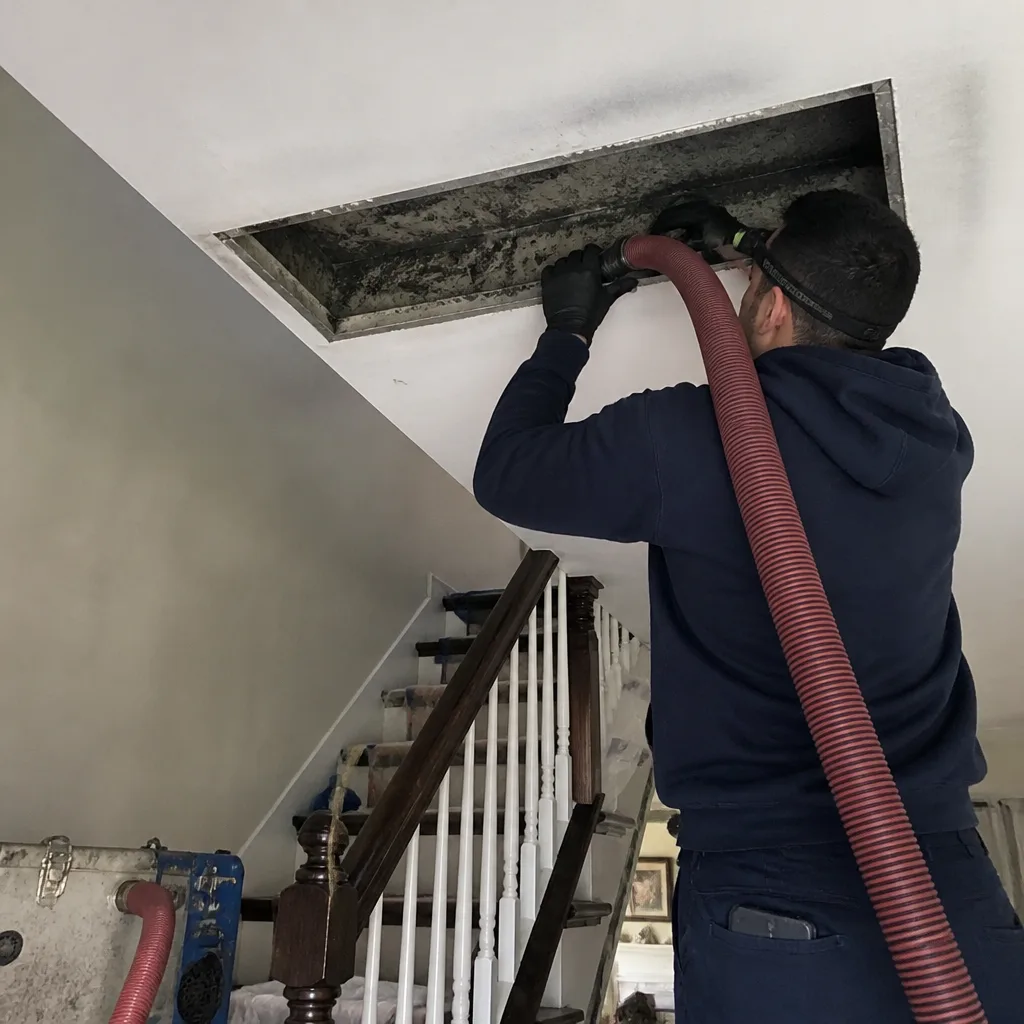 Before
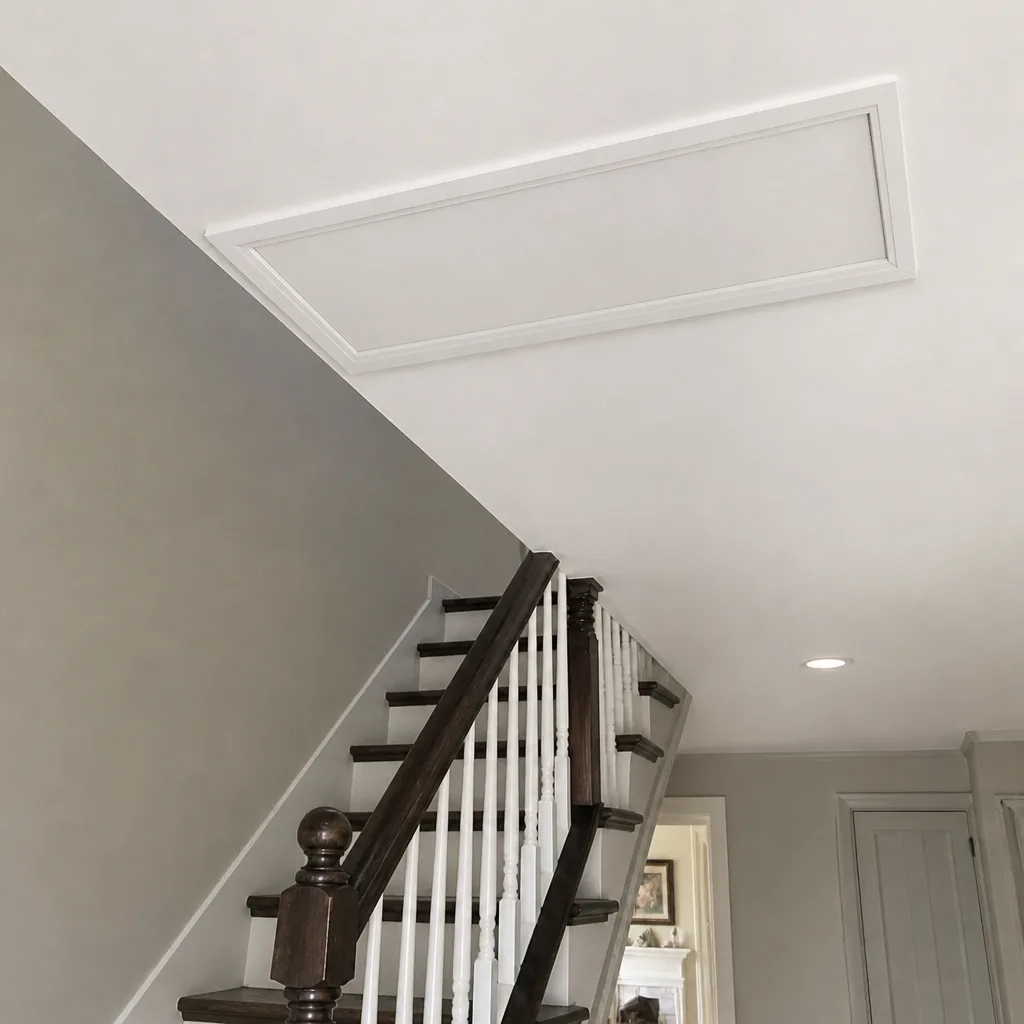 After
When to Call a Professional
Some duct problems are fine to watch. Others aren’t. Call a professional if you’re seeing dust reappear on surfaces within days of cleaning, if you notice musty or stale odors when the system runs, if someone in the household has allergies or asthma and the ductwork has never been serviced, if you’ve recently renovated, or if you’ve moved into a pre-war co-op or row house with a decades-old system. If an inspection reveals a breached duct or a dirty coil, those aren’t things to defer either; they keep feeding the problem. Air Duct Cleaning Inwood offers free estimates in Inwood. Call (855) 974-7305. We answer 24/7. Fast dispatch from 7am to 7pm, Sunday through Friday. Our technicians have up to 8 years of experience, and every price is set per job by the written estimate.
Frequently Asked Questions
Air duct cleaning in Inwood is priced per system by written estimate, based on building type, number of runs, and whether coil, drain pan, and repair are included. We don’t quote per vent or offer a teaser coupon price, because that’s how bait-and-switch invoices begin: a low figure that becomes much larger once the technician is on site. One flat price per system is agreed before work starts, and the written estimate sets the final number. Call (855) 974-7305 for an exact quote; estimates are free.
Cheap quotes usually skip containment, skip the coil and drain pan, or use a shop-vac instead of a professional negative-pressure system. That means debris is loosened but not fully removed, which sends dust back into the rooms and into the trunk line, so the system is dirtier than when the tech arrived. Real equipment costs more to run, and a proper clean takes longer. A low price is a signal to ask what’s actually included and what equipment is used, not a bargain. Call (855) 974-7305 to walk through what a full job covers.
Ask for before-and-after video inspection and airflow readings. A responsible technician can show you what the ducts looked like before the job and what they look like after, along with the debris that was extracted. If a service can’t show you any of these, you have no way to verify the work. With the right equipment, verification is built into the job. Call (855) 974-7305 to book an estimate and see how the process is set up.
Most Inwood homes don’t need annual cleaning. Ducts in a well-maintained system with a clean filter and no moisture issues stay reasonably clean for several years. Schedule a cleaning when there’s a specific reason: recent renovation, musty odors, visible debris on surfaces, allergies, or an older system that’s never been serviced. If you’re unsure, an inspection is the right first step. Call (855) 974-7305 for a free estimate.
Cleaning can fix musty odors when the source is debris, microbial growth, or a dirty coil and drain pan. Allergy symptoms depend on the individual and the cause; cleaning removes the accumulated allergens that circulate through the ducts, but no cleaning can guarantee a health outcome. Our air quality sanitizing service addresses microbial contamination at the source, working with Guardsman-grade treatments and compatible with Aprilaire and Honeywell whole-home systems. Call (855) 974-7305 to discuss what’s causing the odor in your system.
Yes. Co-ops and row houses are the two most common building types in Inwood, and each has its own duct geometry that we account for in the assessment. For co-ops, we’ll talk through the shared riser with building management where relevant. For row houses, we check retrofitted flex runs for breaches before cleaning, since a torn run will recontaminate the system. Call (855) 974-7305 to schedule a free estimate and we’ll walk your specific system.
The Bottom Line
Duct cleaning in Inwood isn’t a generic service. The pre-1970s housing stock, the galvanized ductwork, the shared co-op risers, the row-house flex retrofits, and the humid-to-dry seasonal swings all shape what a real cleaning involves. Source-removal work means negative pressure held throughout, full-length agitation with professional-grade equipment like Rotobrush and Nikro systems, and extraction to the machine, not a surface pass with a shop-vac. Cleaning the full air pathway, including the coil and drain pan, and sealing breaches before recontamination sets in. Verifying the result with before-and-after video and airflow readings is how you know it was done. One call covers it all, with a flat price per system agreed before the work begins.
Call (855) 974-7305 for a free estimate. We answer 24/7. Fast dispatch from 7am to 7pm, Sunday through Friday.
Written by the team at Air Duct Cleaning Inwood.