
Last updated November 22, 2026
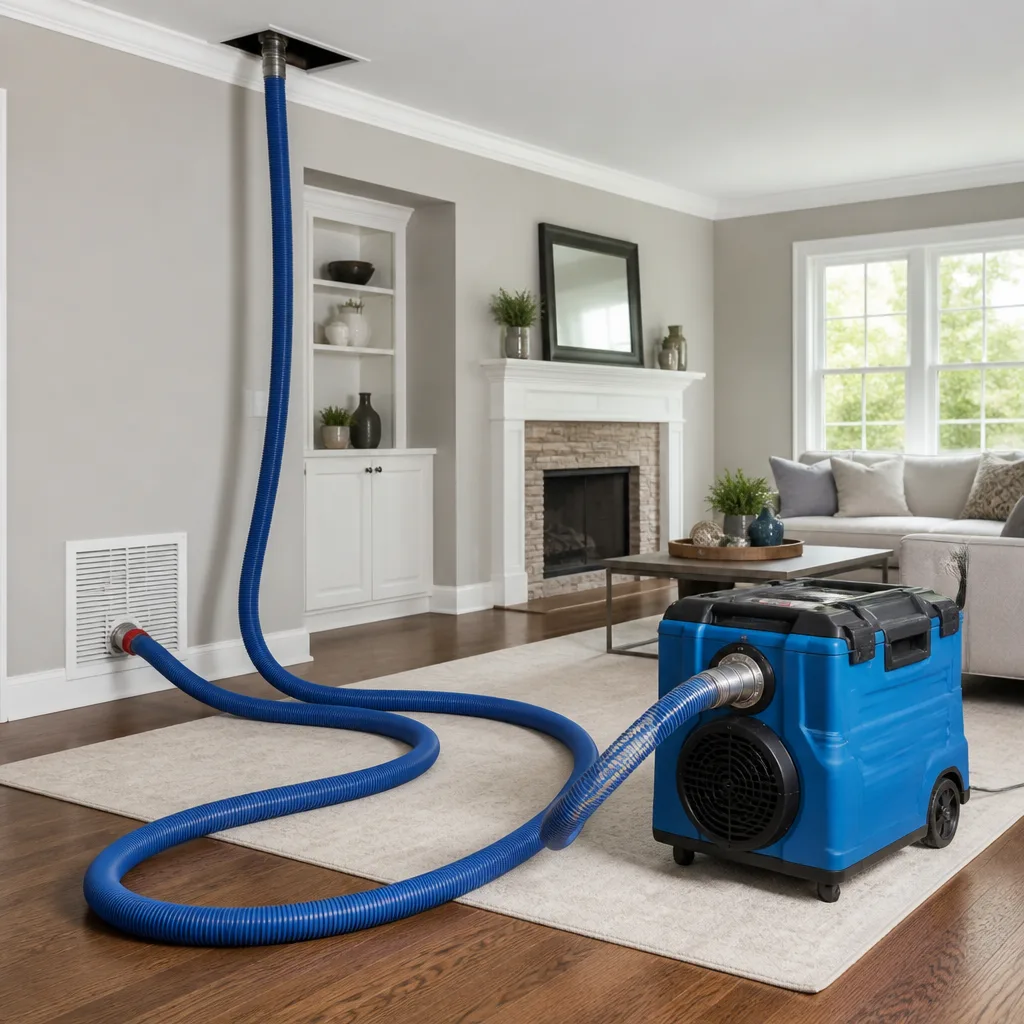 Whole-home duct cleaning
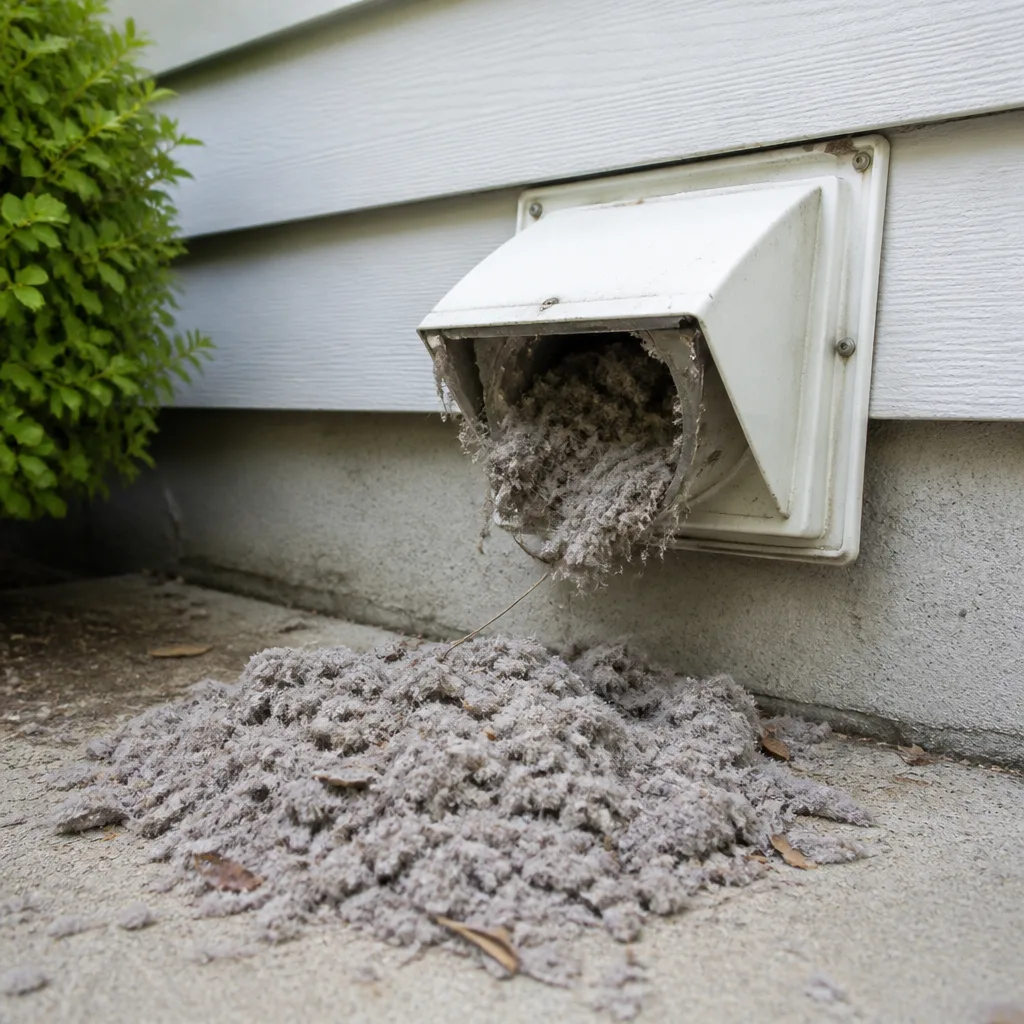 Dryer vent cleaning
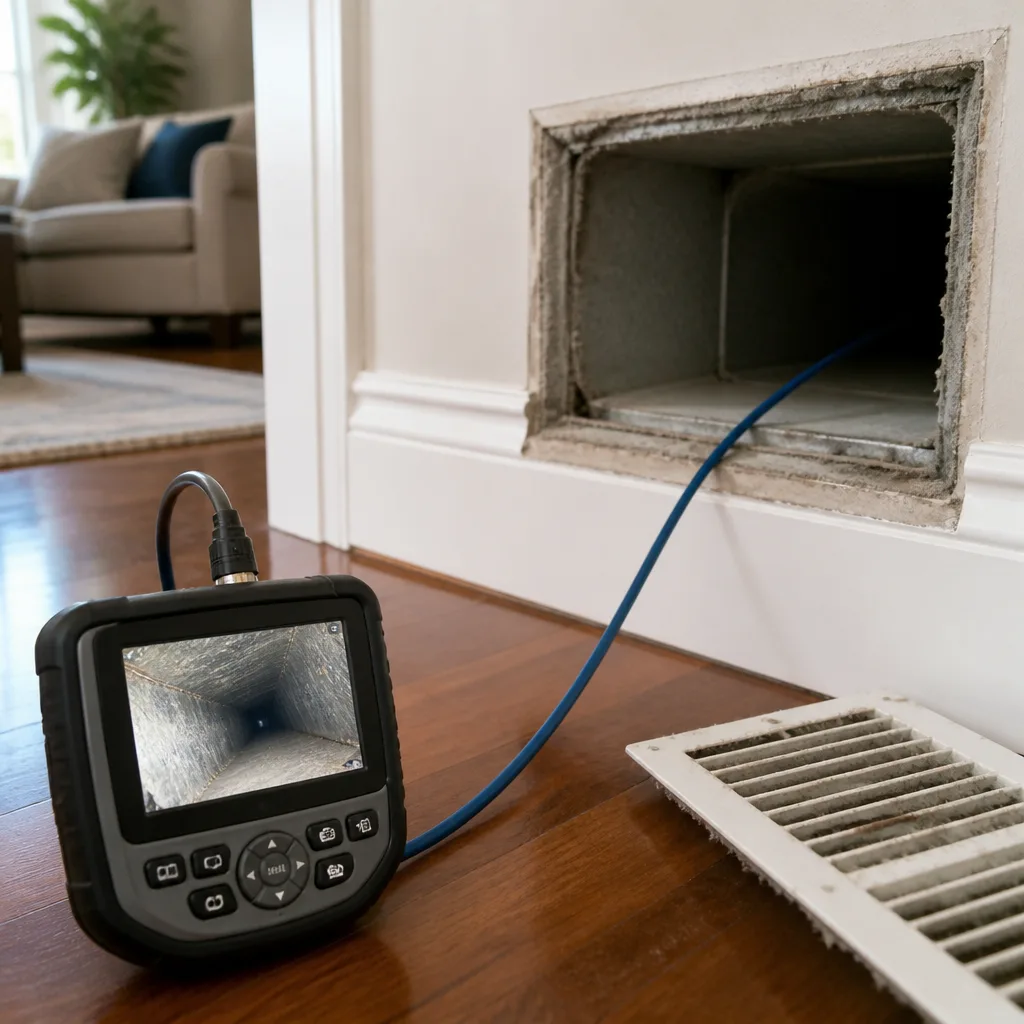 Camera inspection
 Sanitizing & deodorizing
Whole-system duct and dryer vent check with before-and-after photos - you see exactly what came out of your vents
That "$99 whole-house special" is a bait ad - the real number appears once they are in your hallway, or the "clean" is a shop-vac at the register. We photograph the inside of your ducts before and after instead.
Seasonal Air Duct Cleaning Care for Inwood: Year-Round Homeowner’s Guide
Most homeowners in Inwood think about their ducts once, when something smells off, and then forget them again. That is the mistake worth reversing. The air system in your home doesn’t live in a single season state. It shifts with the weather outside, and the materials inside your ductwork respond to that shift in ways you can’t see from the living room. When humid air leaves and dry heated air arrives, the conditions inside the liner change twice a year, and those two changes create two separate patterns of wear. If you only clean after a problem shows up, you are always reacting. This guide walks through a full seasonal schedule for Inwood homes, season by season, so the system stays ahead of the cycle instead of chasing it. You’ll learn what to check, when to check it, and why timing matters more than frequency.
Quick Answer
Air ducts in Inwood benefit from two scheduled cleanings and one liner inspection per year: a spring cleaning after heating season ends, a pre-summer check of the cooling coil and drain pan, a late-summer liner moisture assessment, and a winter focus on filtration. Homes with pets, carpets, or recent renovations often need a follow-up in the winter. Addressing each phase separately prevents the two most common problems: mold spread through summer cooling cycles and dry-season particulate movement in winter.
Styles & brands we work with
- Whole-home duct cleaning
- Dryer vent cleaning
- Camera inspection
- Sanitizing & deodorizing
Table of Contents
- Why Inwood’s Two Seasonal Patterns Matter
- Spring: Post-Heating-Season Duct Check
- Pre-Summer: Coil and Drain Pan Inspection
- Late Summer: Liner Moisture Assessment
- Winter: Filtration and Dry Air
- Dryer Vents as a Seasonal Item
- Why Equipment Choice Changes the Result
- Building Your Inwood Maintenance Calendar
Why Inwood’s Two Seasonal Patterns Matter
Inwood has a humid continental climate, and that single fact explains most of what happens inside residential ductwork here. Summer delivers warm, moisture-heavy air. Winter delivers dry, cold air pushed through a heating system that strips what little humidity is left. That combination produces two completely different maintenance problems twelve months apart, and a single annual cleaning doesn’t cover both.
The problem is worse in Inwood’s older housing stock. Much of the neighborhood’s residential construction dates from the early-to-mid twentieth century, and a meaningful share of those homes still have fiberglass-faced ductboard in the distribution system. Ductboard is porous by design. Its purpose is to reduce noise and prevent condensation on exterior surfaces, but that same porous face holds moisture when humidity stays high for weeks at a stretch. Once it’s wet, it doesn’t dry quickly, and a wet organic surface is what microbial growth needs to take hold.
Two assumptions are worth correcting up front. First, ducts inside the conditioned envelope aren’t necessarily clean just because they were cleaned in the past. Second, cleaning frequency alone doesn’t protect the system. Timing and inspection do. In our experience across Inwood homes, the systems that stay cleanest are the ones cleaned in phase with the seasons, not the ones cleaned most often.
The practical takeaway is that the year has four checkpoints, not one, and each checkpoint exists for a specific reason tied to what the system is about to do next.
Spring: Post-Heating-Season Duct Check
Spring is the transition season. The furnace has run hard through winter, and everything that moved through the system has had time to accumulate. When the thermostat finally stops calling for heat, this is the best window to inspect and clean.
Three things matter most in spring:
- Heat exchanger debris. The heat exchanger collects fine particles from combustion air and return airflow. If the furnace or heat pump sat in a dusty basement or utility closet through winter, that debris reads on the supply side as a fine grey film. It also tells you the filter was probably bypassing.
- Dust cake on supply registers. Look at the grilles. If the louvers carry a visible dust cake, the same material has been pushed through the branches behind them. Registers act as a filter at the wrong end of the system.
- Filter bypass buildup. A filter that doesn’t seat tightly lets air run around the edges instead of through the media. That bypass dust lands on the coil face and in the plenum. Check the filter slot for a visible dust line along the edges.
In Inwood’s older homes, spring is also when you’ll find loose ductboard joints that winter’s thermal cycling has opened. Cold air expanding through winter and then warming in spring loosens tape and mastic. A spring inspection catches these before summer’s cooling load pushes humid air through the gaps. Duct repair and sealing, one of the five services we offer, is often the right fix at this point rather than a repeat cleaning. Cleaning without sealing lets the same air leaks recontaminate the system within a season.
If you want to see how this stage fits into a full-home service, our Air Duct Cleaning Inwood page covers what a scheduled cleaning includes.
Pre-Summer: Coil and Drain Pan Inspection
Before the AC runs continuously, the evaporator coil and the condensate drain pan deserve a look. Both are wet-season components, and both become problem sources if left neglected going into humid weather.
The drain pan sits under the indoor coil and collects the water that condenses out of the air. In a healthy system, that pan drains freely. When it doesn’t, standing water sits through the summer with a warm airstream running over it, which is the classic setup for biological growth. You don’t need to see visible growth to have a problem; a musty smell when the AC starts is often the first sign.
The evaporator coil has the same exposure. When its fins are fouled with dust, airflow slows and the coil stays wet longer. That trapped moisture becomes a distribution point. Every cooling cycle then carries whatever is growing on the coil and the standing water through the supply branches and into occupied rooms. This is why pre-summer inspection is not the same job as pre-winter inspection.
Three checks to schedule before the first sustained warm spell in Inwood:
- Drain pan clear, tilted toward the outlet, and free of standing water.
- Evaporator coil fins clean and straight, with no dust matting between them.
- Return air filter replaced and seated tightly in its frame.
If the coil face has visible accumulation, HVAC cleaning during this window pays off throughout the season. For a dedicated service page, our HVAC cleaning section covers coil and air handler cleaning in more detail.
Spring is also a good time to schedule an air duct cleaning appointment if the system hasn’t been cleaned in a year or more, because the work can be combined with the coil inspection rather than repeated later in the season.
Late Summer: Liner Moisture Assessment
By late summer, the system has been running in cooling mode through the highest humidity Inwood gets. This is the moment to check what the humid months left behind inside the ductwork.
The liner is the inner surface of the duct. On ductboard runs, that surface is exposed fiberglass facing. On metal duct with internal liner, it’s a similar fiberglass product bonded to the metal. In either case the porous face absorbs moisture when interior relative humidity stays high through weeks of AC operation, and it doesn’t re-dry until the heating season pushes dry air through the system.
What you’ll notice on a late-summer inspection:
- Visible dark staining or discoloration on the ductboard face, especially in the first few feet after the coil.
- A musty or damp smell when the system first kicks on.
- Liner sagging or coming loose from the duct, which indicates repeated wet-dry cycling.
- Higher-than-normal dust shedding from supply registers during cooling.
If liner moisture is present, cleaning should be paired with air quality sanitizing. Guardsman-grade treatments available through our air quality service address microbial growth at the surface rather than covering the smell. Cleaning alone removes debris but doesn’t address the contamination that has settled into a wet liner face.
Late summer is also the practical deadline for this work. Once the heating season starts in Inwood, the dry heated air will carry whatever is in the liner into every room it serves. Every fall we see the same pattern: homes that skipped the late-summer assessment end up cleaning in December instead, when the problem has already spread through the home.
Winter: Filtration and Dry Air
Winter reverses the moisture balance. Forced-air heating delivers very dry air, and that dryness changes how particles move. In humid air, particles clump and settle relatively quickly. In dry heated air, they stay airborne longer and redistribute through every supply branch in the system.
This is why filter upgrades matter more in January than in July. The filter is the only defense against what the heating cycle pulls from the return grille. A filter that worked fine during cooling season may not be adequate when the air is drier and particulate loads shift.
Practical winter filtration guidance for Inwood homes:
- Check MERV rating and system capacity together. A higher MERV filter catches finer particles but restricts airflow. Not every residential system is designed for a high-MERV filter. Match the filter to what the air handler can push.
- Replace on schedule, not on appearance. A filter that looks clean at two months can still be loaded. Winter’s higher particulate loads cut the replacement interval.
- Check the filter housing for bypass. The same bypass issue from spring shows up again in winter, often worse. If air runs around the filter, the media never sees it.
Winter also concentrates the effect of any residual liner contamination from the previous season. Sanitizing late in fall, before the heating cycle begins, is more effective than waiting until musty smell is obvious in January. If you’re planning a winter air quality service, our team can evaluate whether sanitizing or a fresh cleaning is the right next step for your system layout.
Dryer Vents as a Seasonal Item
Dryer vent cleaning belongs on the same seasonal schedule as air duct cleaning, but for a different reason. Lint accumulation in a restricted vent is a fire hazard, and it builds fastest in winter.
Laundry cycles increase in cold months for most Inwood households. More cycles mean more lint, and lower outdoor temperatures increase the risk that the exterior vent cap freezes shut. A frozen cap blocks airflow, which means lint backs up into the vent run itself instead of exiting the home. That combination – more lint, less airflow – is where fire risk climbs.
Check the exterior cap in winter, especially after a prolonged cold snap. If the flapper sticks or won’t open, the vent is blocked. Interior signs to watch for:
- Longer dry times than usual.
- The dryer body feels hot to the touch mid-cycle.
- A burning or overheated smell during operation.
- Visible lint around the cap or the discharge area.
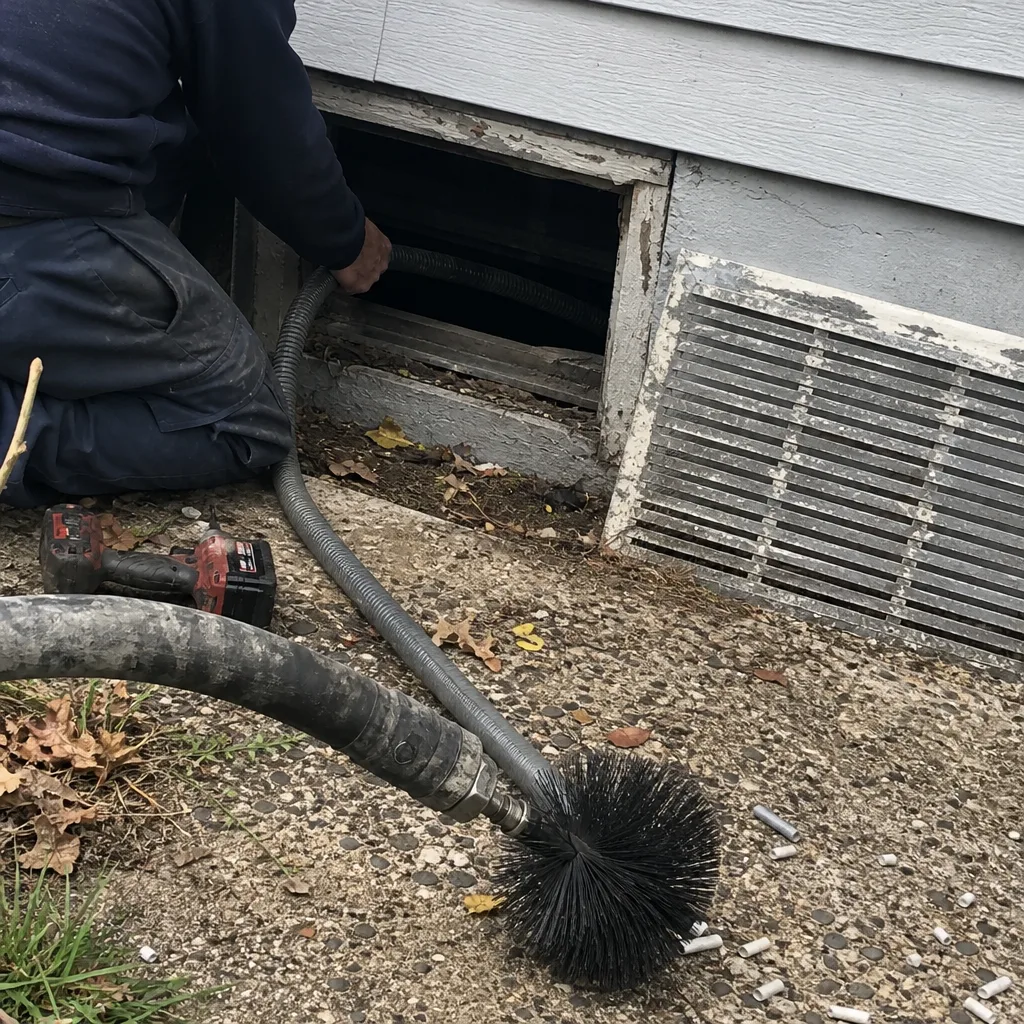
Dryer vent cleaning is a standalone service for a reason. It doesn’t belong folded into an HVAC appointment as an upsell, and treating it that way devalues the work. The fire risk is real and the fix is straightforward: clear the vent, verify airflow at the cap, and put it on a schedule. Our dryer vent cleaning page describes what a full vent service includes.
Why Equipment Choice Changes the Result
The equipment difference is not marketing. It’s the reason two cleanings of the same system can produce very different results, and it’s why you’ll get different answers from different companies about what your ducts actually need.
Consumer-grade vacuums and the small shop-vac rigs many companies bring to a residential job pull air but don’t create the negative pressure a cleaning requires. Loose debris moves; bonded material doesn’t. That’s the gap most homeowners don’t see because they can’t inspect the inside of a duct before and after.
Our technicians use industry-recognized brands – Rotobrush and Nikro for mechanical cleaning and agitation, Abatement Technologies for containment and negative-pressure setups. Our technicians have up to 8 years of experience with these systems. Rotobrush uses a combination of air pressure and mechanical contact to loosen material from duct surfaces rather than just pulling free-floating dust. Nikro equipment gives us the reach and agitation needed for the branches and turns where debris accumulates. Abatement Technologies equipment lets us maintain negative pressure during the service so loosened material doesn’t migrate into the home.
We also work with Honeywell and Aprilaire systems when a home has whole-house air treatment already installed, and with Guardsman-grade sanitizing products when a duct liner needs treatment beyond cleaning. That compatibility matters because the accessories and controls in those systems are configured to a home’s specific airflow, and cleaning equipment must be matched to that layout.
The point isn’t to list tool names. It’s to explain why the equipment stack has to match the job. If you want to see what the finished result looks like before deciding, before-and-after photos of your own ducts during the service give you a direct answer.
Building Your Inwood Maintenance Calendar
The list below is the practical version of everything above. Treat it as a starting calendar and adjust to your home’s specifics – pets, carpeting, square footage, system age.
- March-April: Post-heating-season duct inspection and cleaning. Check heat exchanger surroundings, register dust, filter bypass.
- May: Drain pan and evaporator coil inspection. Replace the return filter. Address any coil fouling before cooling season starts.
- June-August: Normal cooling operation with monthly filter checks. Watch for musty smell on AC startup.
- September: Liner moisture assessment. Ductboard staining, odor, sagging, unusual dust shedding. Sanitize if moisture is present.
- October: Confirm sealing is intact after the late-summer inspection. Repair any failed joints before heating begins.
- November-February: Winter filtration focus. Replace filters on a tighter schedule, watch for bypass, keep an eye on the dryer vent exterior cap after cold snaps.
- Year-round: Dryer vent check at each seasonal transitions, and any time dry times lengthen or the dryer body feels hot.
One-size-fits-all schedules fail because a home with two dogs and wall-to-wall carpet needs more attention than a three-bedroom with hardwood floors and no pets. A short walkthrough during the spring service establishes what your specific system needs. Inwood homes with ductboard runs benefit from an extra liner assessment in late summer, because those are the systems most sensitive to humidity swings.
Common Mistakes to Avoid
- Cleaning once a year and calling it done. If the cleaning lands in spring, the system enters summer wet and winter dry with no follow-up. Two cleanings plus one liner assessment is closer to what Inwood humidity swings demand.
- Skipping the drain pan check. The drain pan is the cheapest problem to catch and one of the most expensive to miss. Standing water through a summer means microbial growth distribution across the whole supply side.
- Assuming ductboard will dry on its own. Porous liner holds moisture far longer than homeowners expect. In a humid late summer in Inwood, a wet liner can stay wet through the fall.
- Treating the dryer vent as an HVAC add-on. Dryer vent cleaning is its own service with its own fire-safety case. Folding it into an HVAC appointment as a throw-in devalues it and often shortens the work.
- Thinking a higher MERV filter is always better. A filter that exceeds the air handler’s design load restricts airflow and creates the very conditions that make coils wet longer. Match the filter to the system.
- Ignoring sealing because cleaning “seems like enough.” Cleaning a system with unsealed joints just resets the clock. The leaks pull in fresh dust and moisture between services. Sealed ducts stay clean longer.
- Waiting for a smell. By the time musty odor registers, the source has already been distributing through the system. Address liner moisture proactively in late summer, not after the first cold morning when the heat brings it up.
See the difference
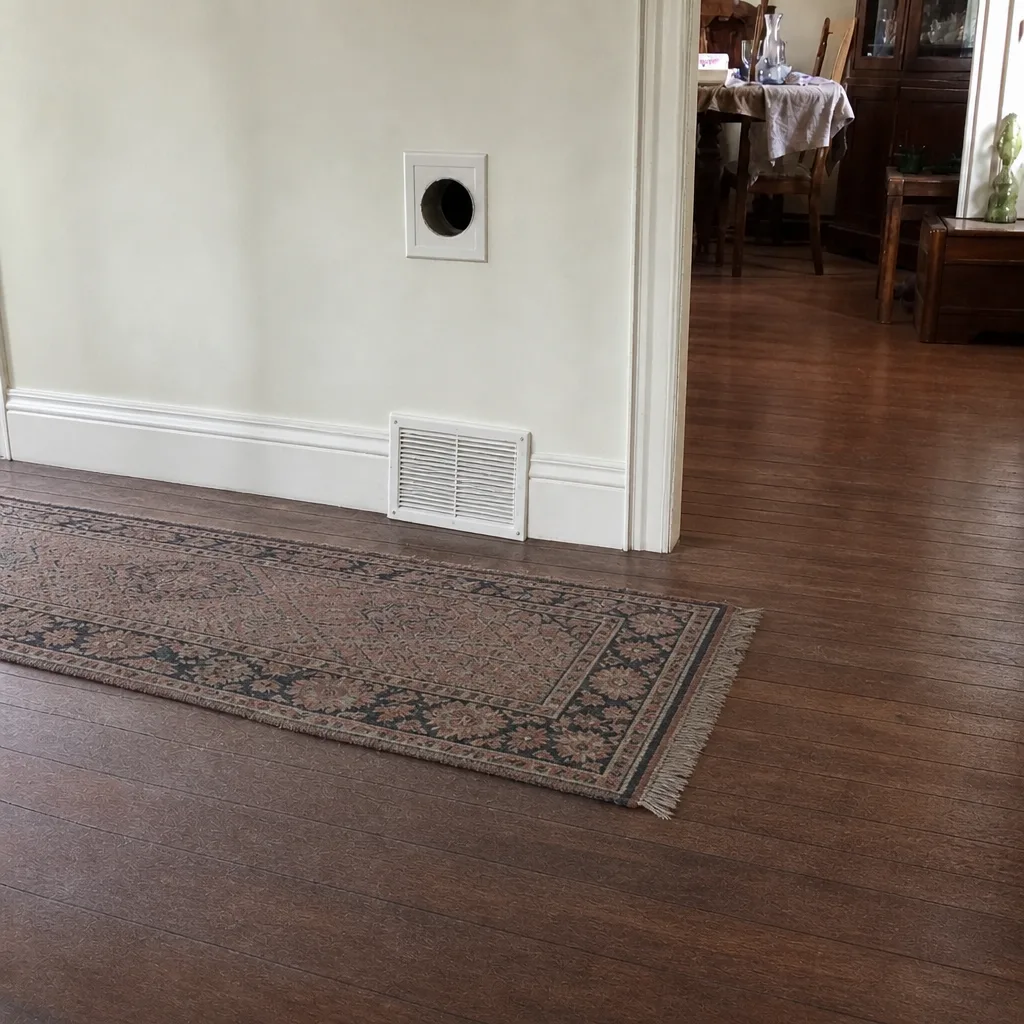
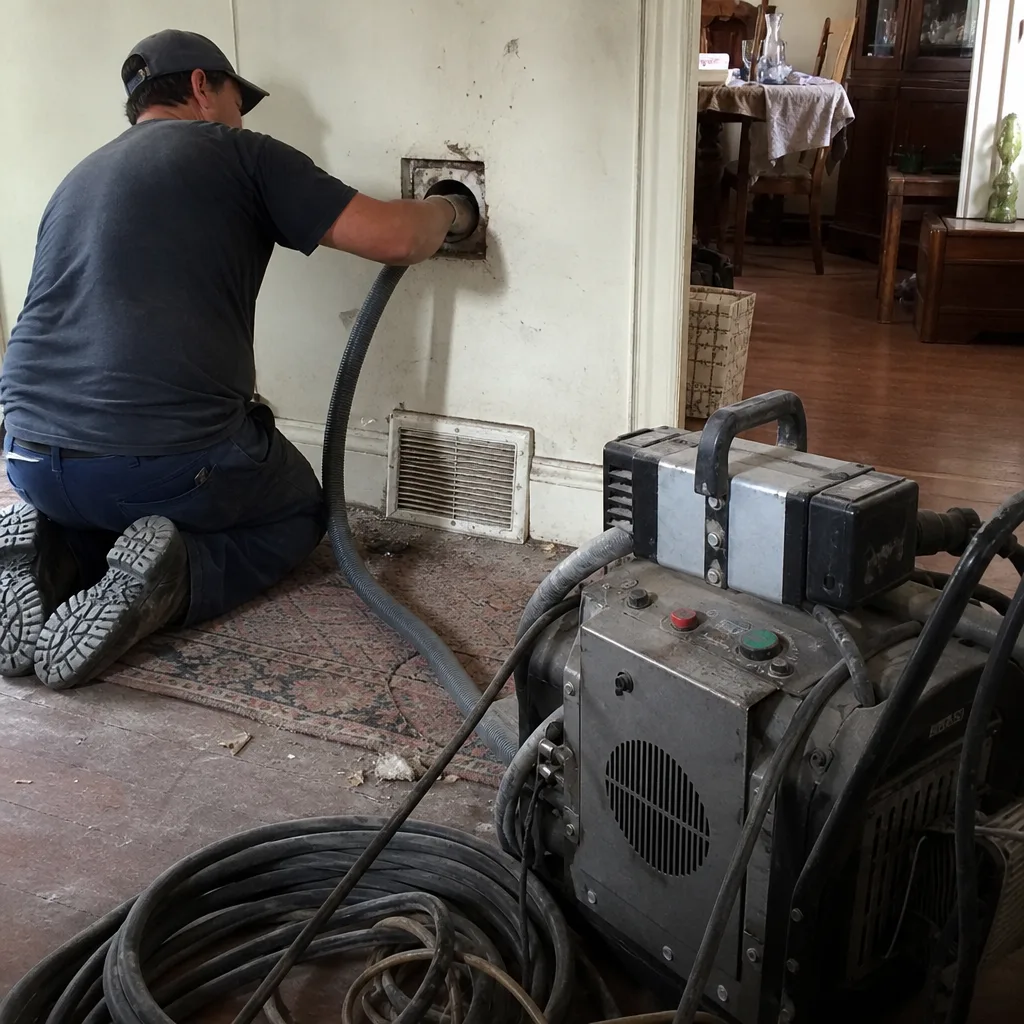 Before
 After
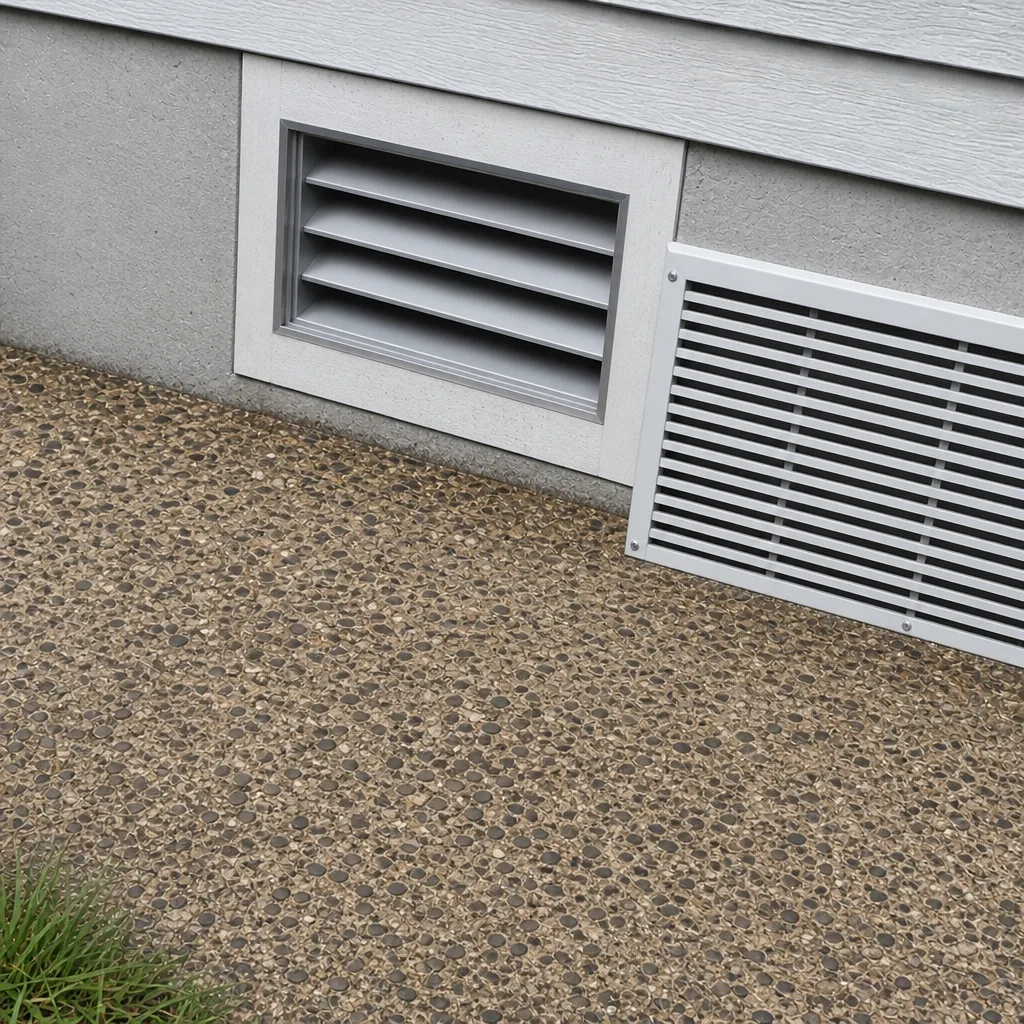
 Before
 After
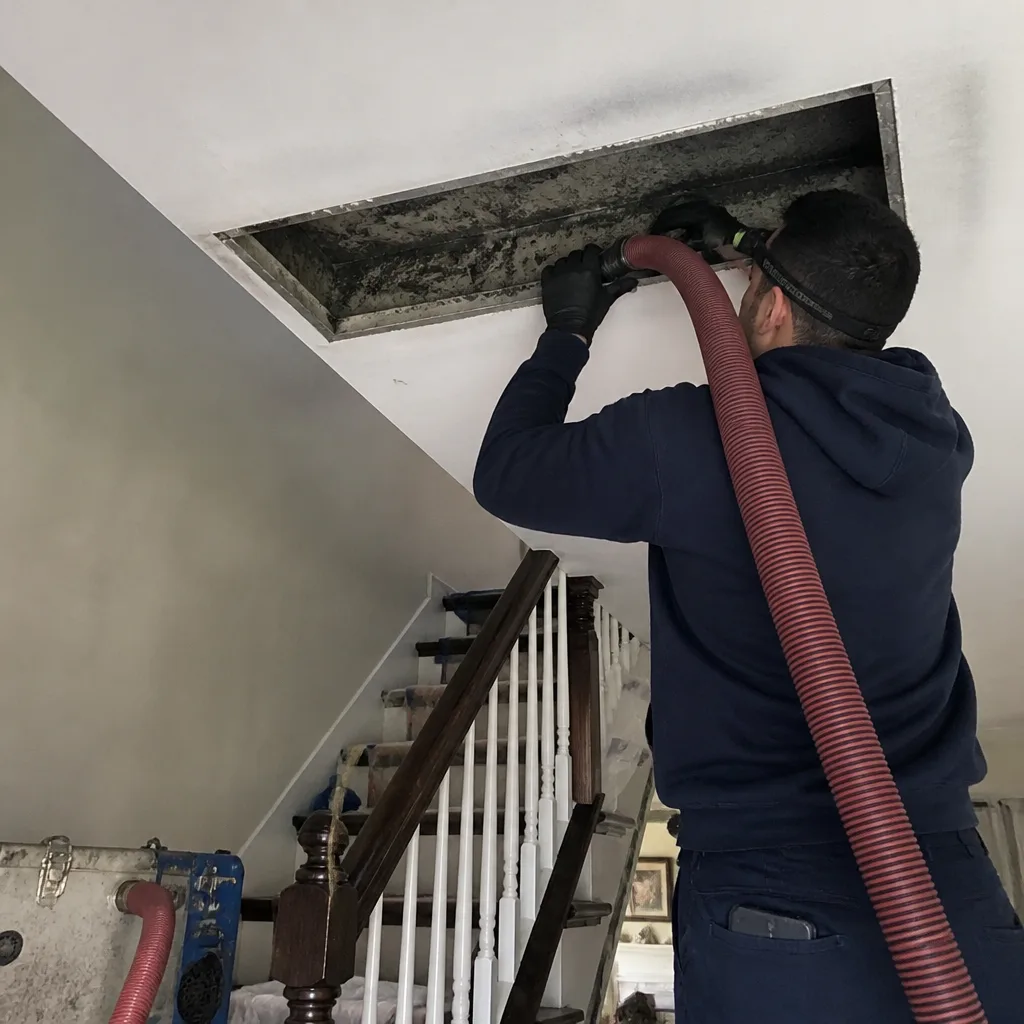 Before
 After
When to Call a Professional
Some seasonal checks you can do yourself; some require equipment and inspection skill that isn’t available in a hardware store. Call for a professional duct service when:
- You’ve noticed a musty smell on AC startup or when the heat first runs in fall.
- Supply registers are visibly coated with dust cake despite regular filter changes.
- The system has gone a full year or more without cleaning.
- You’ve had a renovation, water intrusion, or pest activity in the home.
- Dryer cycles are running long or the dryer body feels hot mid-cycle.
- You or a family member has persistent allergy symptoms that worsen when the HVAC system runs.
Air Duct Cleaning Inwood offers free estimates in Inwood – call (855) 974-7305. We answer 24/7. Fast dispatch from 7am to 7pm, Sunday through Friday.
Frequently Asked Questions
Twice a year for most Inwood homes – once in spring after heating season and once in late summer before heating mode starts. Homes with pets, wall-to-wall carpet, young children, or recent renovations often benefit from an additional check in winter. The key isn’t frequency alone; it’s timing the cleaning to the two humidity patterns Inwood sees. Call (855) 974-7305 for an exact quote – estimates are free.
Musty smell on AC startup almost always traces to moisture in the drain pan or on the evaporator coil. The coil and pan are wet-season components, and in Inwood’s humid summers they stay wet for weeks at a time. Growth on those surfaces distributes through the supply branches each time the system runs. A pre-summer coil and drain pan check is the fix. Call (855) 974-7305 to schedule an inspection – estimates are free.
Yes, fiberglass-faced ductboard holds moisture when interior humidity stays high, and it dries more slowly than bare sheet metal. Inwood’s older homes often have ductboard runs, which makes late-summer liner assessment more important for those homes specifically. Cleaning alone removes debris but doesn’t address contamination in a wet liner – that’s where Guardsman-grade sanitizing comes in. Call (855) 974-7305 for a liner assessment.
At least once a year, and ideally in fall – before the winter months when laundry cycles increase and exterior vent caps are at risk of freezing shut. If dry times lengthen, the dryer body feels hot mid-cycle, or the exterior cap sticks, clean the vent immediately rather than waiting for the seasonal appointment. Call (855) 974-7305 – estimates are free.
Often, yes. Cleaning removes debris from the system, but leaks in the ductwork allow fresh dust and moisture into the system between services. In older Inwood homes, unsealed joints are one of the main reasons cleaned ducts go dirty faster than expected. Duct repair and sealing closes the loop. Call (855) 974-7305 to schedule a walkthrough – estimates are free.
Cheap quotes usually mean shop-vac-grade equipment rather than Rotobrush or Nikro systems, no negative-pressure containment, and a short job that doesn’t reach the branches. The cheap version can stir up more material than it removes. The better answer is a written scope, a fixed price, and before-and-after photos of your own ducts at the end of the service. Call (855) 974-7305 to discuss what a full service includes – estimates are free.
The Bottom Line
Inwood’s two seasonal patterns – humid summers and dry heated winters – create two separate maintenance problems inside residential ductwork, and each one has a specific window to address it. Spring cleaning handles what heating season left behind. Pre-summer coil and drain pan checks prevent moisture distribution through cooling cycles. Late-summer liner assessment catches the humidity damage before the heat turns on. Winter filtration focus keeps particulate loads in check. Dryer vent cleaning runs on the same seasonal rhythm, with its own fire-safety case. Equipment matters throughout; Rotobrush, Nikro, and Abatement Technologies systems do work a shop-vac rig can’t. When you’re ready to put a schedule in motion, call (855) 974-7305 for a free estimate. We answer 24/7. Fast dispatch from 7am to 7pm, Sunday through Friday.
Written by the team at Air Duct Cleaning Inwood.