
Last updated November 22, 2026
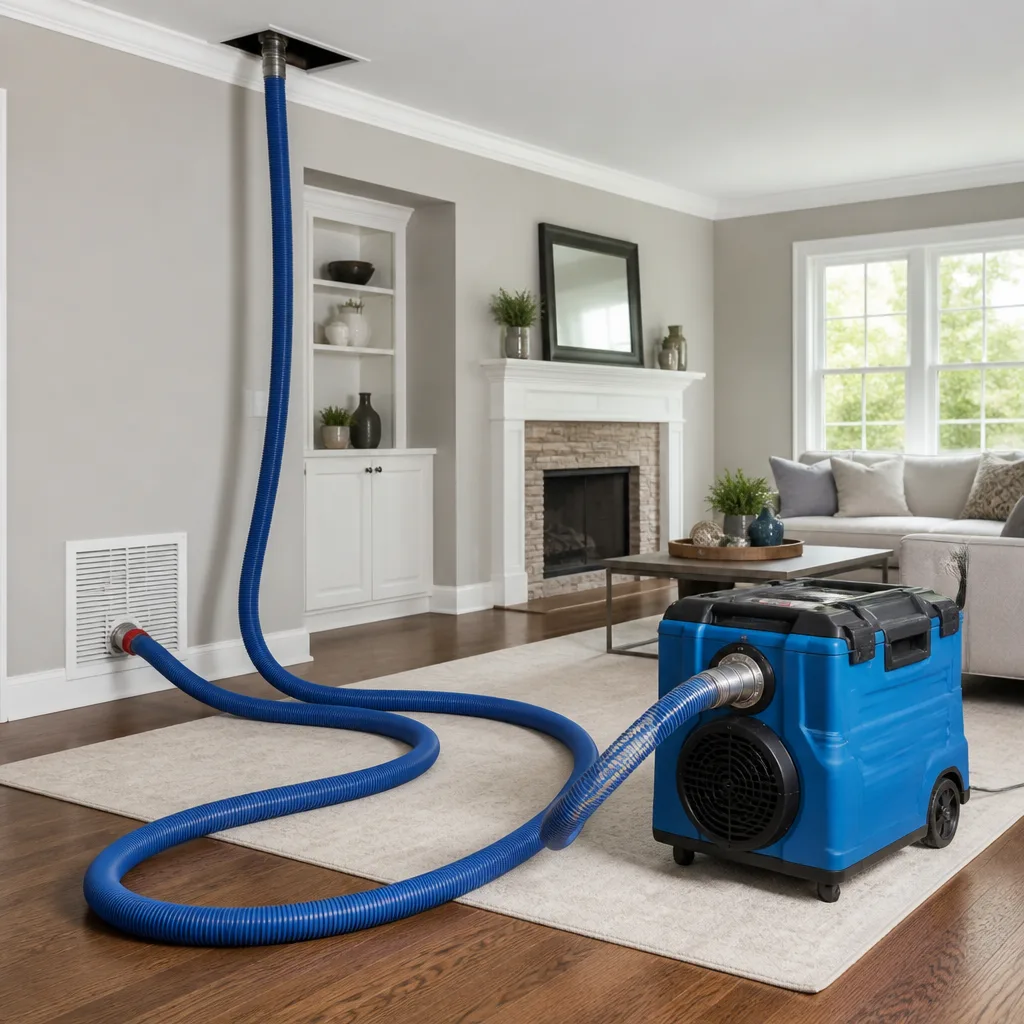 Whole-home duct cleaning
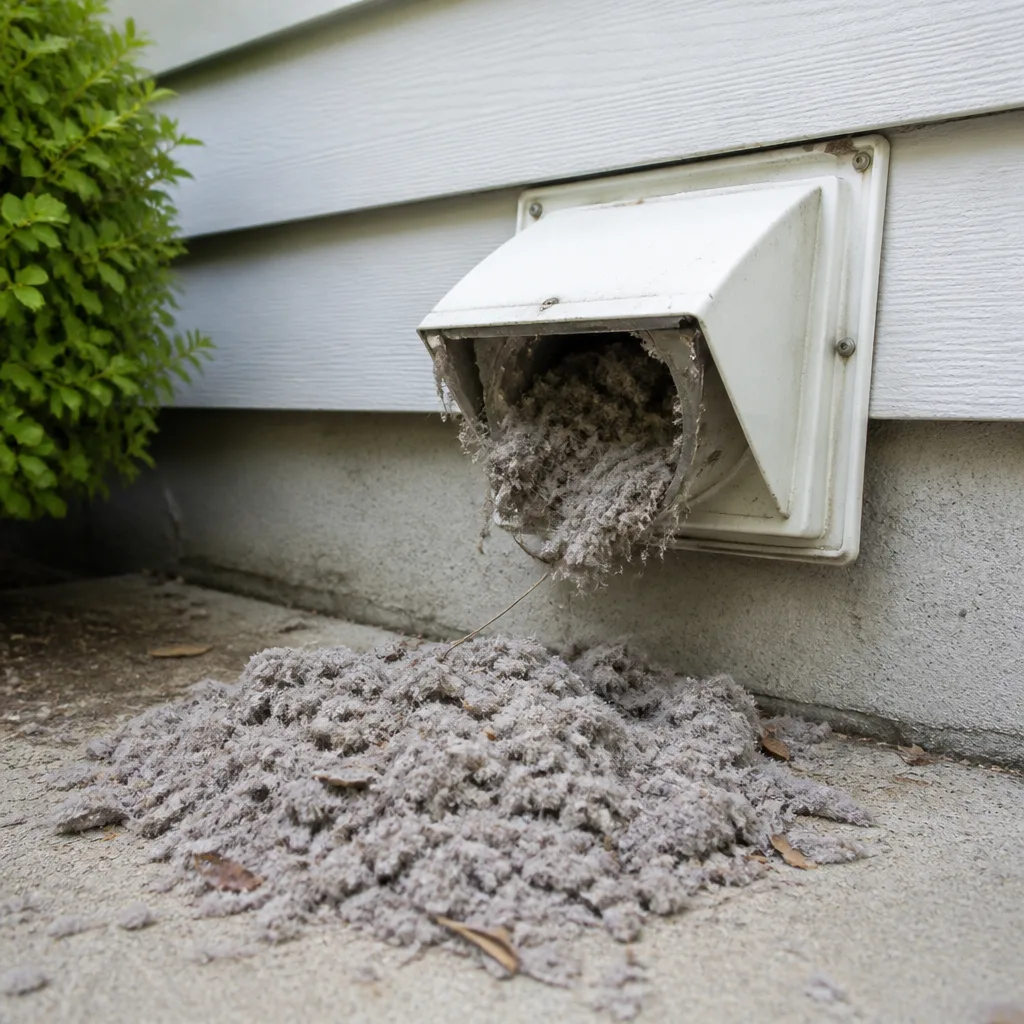 Dryer vent cleaning
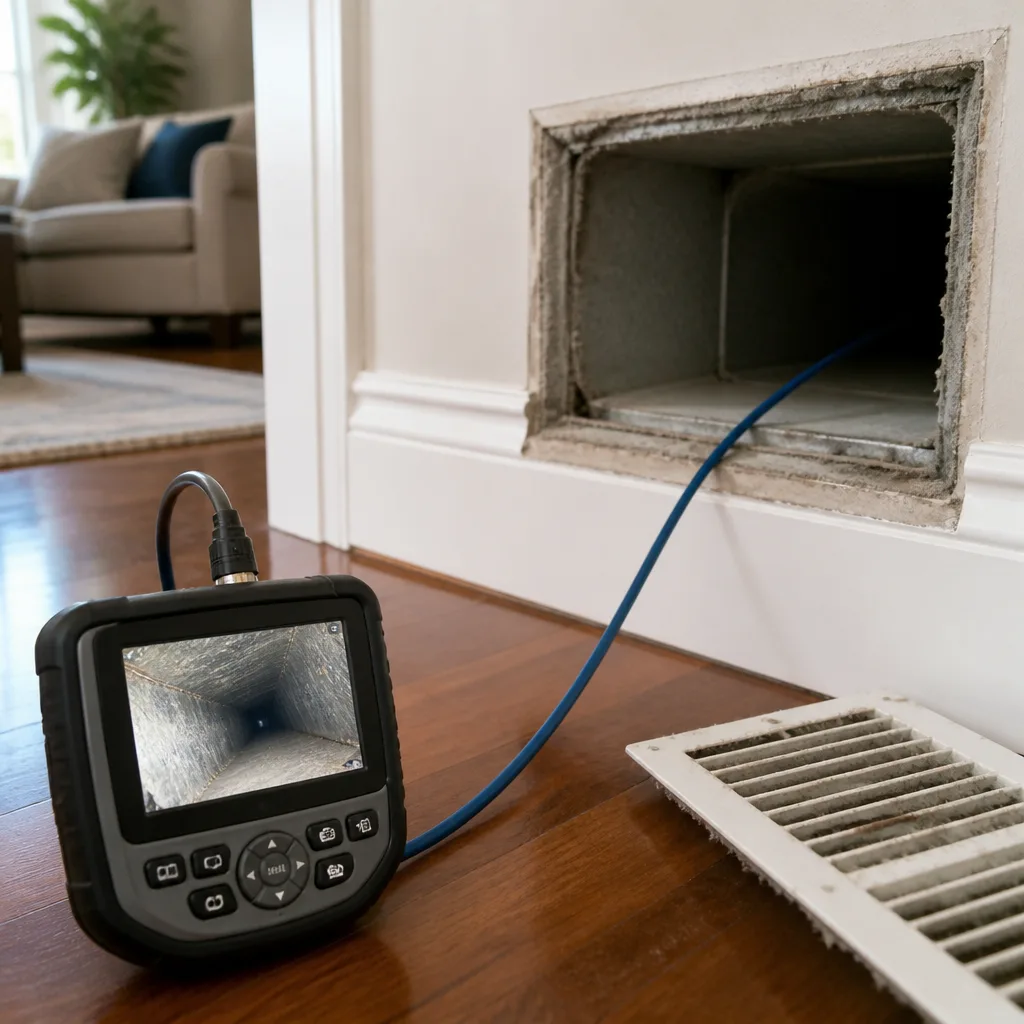 Camera inspection
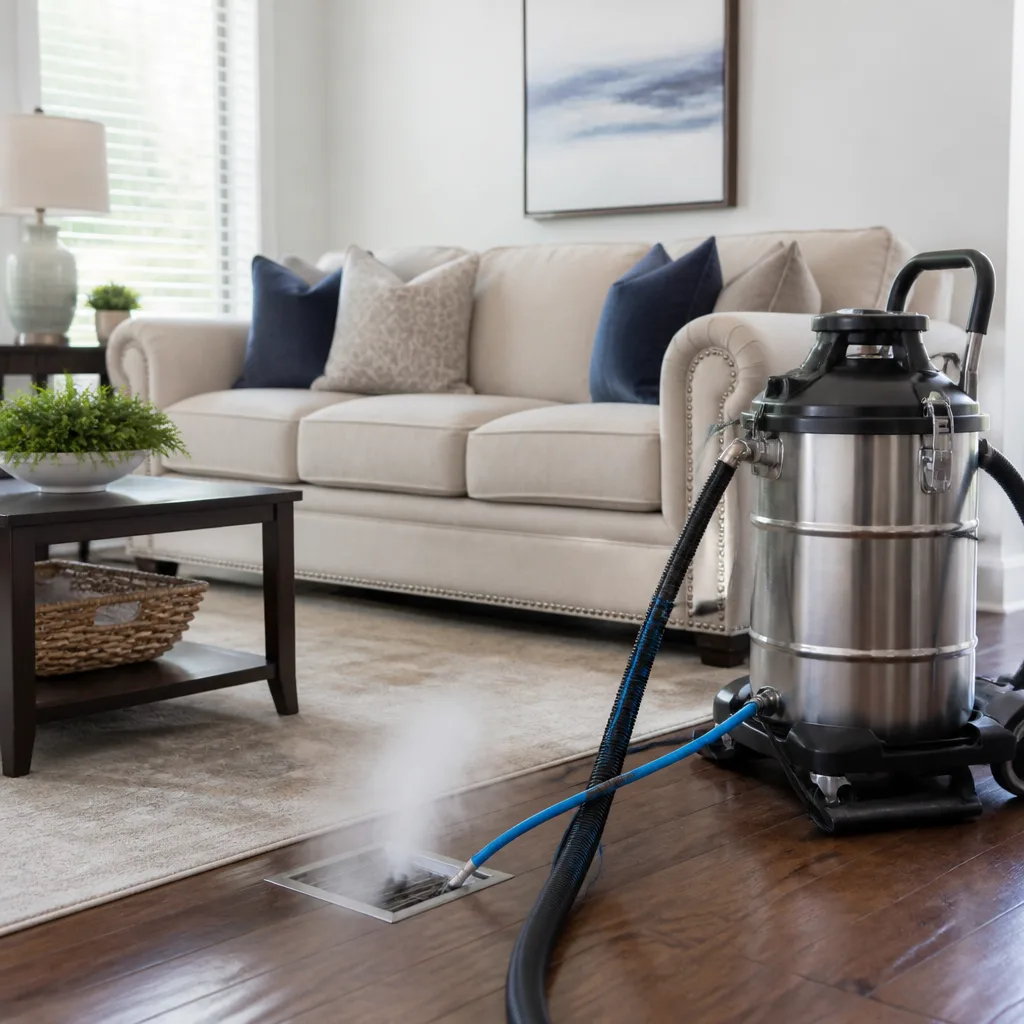 Sanitizing & deodorizing
Whole-system duct and dryer vent check with before-and-after photos - you see exactly what came out of your vents
That "$99 whole-house special" is a bait ad - the real number appears once they are in your hallway, or the "clean" is a shop-vac at the register. We photograph the inside of your ducts before and after instead.
How to Hire an Air Duct Cleaning Contractor in Inwood: A Step-by-Step Guide
Most homeowners shop for duct cleaning the same way they shop for a tank of gas: whoever posts the lowest number gets the job. That instinct works when the worst outcome is paying a little more for fuel. It fails badly with ductwork, because older systems in Inwood’s prewar apartment buildings and multifamily walk-ups are often built from sheet metal with taped or mastic-sealed joints that don’t tolerate rough handling. An aggressive brush on undersized equipment doesn’t just leave the dust behind; it can tear apart flex connectors, unseat collars, and push debris into cavities that were clean before the visit. What follows is the checklist we’d hand a friend: the equipment questions to ask before anyone books the job, the paperwork that should exist before work starts, and the deliverables that prove the work was actually done.
Quick Answer
To hire a duct cleaning contractor in Inwood, ask three equipment questions (vacuum capacity, agitation method, and video inspection), confirm current NADCA membership directly with NADCA rather than trusting a logo, get a written scope that names every component, and require before-and-after photos of your own system. Any contractor who can’t answer those questions in plain language, or who quotes a flat rate without walking the layout, is a risk to your ductwork.
Styles & brands we work with
- Whole-home duct cleaning
- Dryer vent cleaning
- Camera inspection
- Sanitizing & deodorizing
Table of Contents
- Why Wrong Duct Cleaning Can Damage Ductwork
- The Three Equipment Questions to Ask Before You Book
- What NADCA Membership Tells You, and What It Doesn’t
- Inwood-Specific Red Flags to Watch For
- How to Structure the Job Scope in Writing
- What a Legitimate Post-Job Deliverable Looks Like
- When Duct Cleaning Is Actually Due
- Common Mistakes to Avoid
- Frequently Asked Questions
Why the Wrong Duct Cleaning Contractor Can Damage Ductwork
Duct cleaning equipment does one of two things: it pulls the debris out under containment, or it just moves loose dirt around the system. Consumer-grade vacuums and shop-vac rigs create almost no suction at the far end of a branch line. When the crew agitates dust without enough capture force behind it, the particles settle back into the ducts within hours. Worse, that agitation can be violent. A spinning brush fed too quickly through a 60-year-old sheet metal run near the connecting collars will flex and tear those seams. In Inwood’s older buildings, the ducts often serve long horizontal runs to interior rooms before rising to upper floors, and those long runs are exactly where damage happens first.
The alternative is a system built around negative pressure. Abatement Technologies equipment, for example, is designed so the collection unit draws the whole system into controlled vacuum while the technician works through agitation tools from the inside. Rotobrush whip systems and Nikro agitation tools are commonly used by certified specialists for the same reason: they’re selected to match the run, not to speed through it. When we quote a job in Inwood, the equipment is part of the conversation because the ductwork dictates what’s safe to use.
The Three Equipment Questions to Ask Before You Book
Contractors who have real equipment are comfortable talking about it. Anyone who deflects questions into “we’re fully licensed and insured, don’t worry” doesn’t want to tell you what they actually plan to do. Ask these before signing anything.
1. What vacuum capacity are you bringing, and what pressure does it create at the far end?
Look for the contractor to name the system. Rotobrush and Nikro units are recognizable names in the trade; Abatement Technologies was built around HEPA containment and negative pressure in the first place. If the answer is “a big shop vac” or “a commercial vacuum,” ask for the model. If they can’t give you the model, they don’t have professional negative-pressure equipment, and you should thank them for the quote and move on.
2. What’s the agitation method, and how do you match it to my duct type?
Flexible ducts need gentler whips. Sheet metal runs can take a stiffer brush. Ask the contractor to describe both methods and how they choose. A trained technician will tell you they inspect the system before agitating. A crew that treats every duct the same way is treating your system like every system, which means it isn’t looking at yours.
3. Do you use video inspection before and after cleaning?
Video inspection cameras let a contractor show you, on a screen, what the inside of a trunk line or a long branch looks like before cleaning and again after. It’s how you verify the job, and it’s the single best post-job deliverable. Rotobrush and similar systems are commonly paired with inspection cameras for this exact reason. A contractor who can’t or won’t run a camera should not be trusted with a prewar Inwood building’s ductwork.
What NADCA Membership Tells You, and What It Doesn’t
The National Air Duct Cleaners Association (NADCA) sets the reference standards most of the industry uses: how to evaluate a system, how to build containment, how to clean a component to a defined standard. NADCA membership is a real signal of intent to follow that framework. It is also not a license, and it doesn’t guarantee anything about the crew who shows up at your Inwood address. Verify it, then ask the operating questions separately.
How to verify NADCA membership
- Go to NADCA’s website directly, not a logo on the contractor’s site, and search the company name.
- Check that the business name on the membership listing matches the business name on the written quote.
- Ask whether the individual technician sent to the job holds the NADCA Air Systems Cleaning Specialist (ASCS) certification. Membership often applies to the company, not every technician.
- Ask what current standard the company works to (ACR, the NADCA “Assessment, Cleaning and Restoration” standard), and listen for a specific answer.
What NADCA membership doesn’t tell you: whether the crew arriving at your Inwood building will actually use the equipment they were quoted on, whether they’ll protect your floors and HVAC coils, or whether they’ll provide a written report. Those come from the scope and the deliverables, not the certificate.
Inwood-Specific Red Flags to Watch For
Inwood’s housing stock varies block to block. Multifamily walk-ups with long vertical returns, prewar buildings with original galvanized ducts, newer renovations wired into existing systems, and single-family homes near the parks all present different scopes. A contractor who prices every Inwood address the same way hasn’t looked at the system. Here are the specific warning signs we’d want a neighbor to know.
- A flat rate quoted before anyone walks the layout. A two-story Inwood home with two HVAC systems and a walk-up fifth-floor apartment are not the same job. “One price, any size” means the price was set to be low, not to be right.
- No mention of multi-story access. If the job involves a third-floor run, a roof unit in a building with an accessible mechanical area, or a long horizontal chase, a serious contractor asks about access on the call.
- Per-vent pricing that changes once on site. “Ten dollars a vent” sounds simple. It usually means the technician decides on arrival that the job is “worse than expected” and the invoice grows.
- Sanitizing waved through as “disinfection included.” Ask what product, whether it’s EPA-registered, and whether it’s applied after debris removal (it should be). Vague answers mean it’s a line item, not a treatment.
- No camera, no photos, no report. “You’ll see it’s working fine after” is not a deliverable.
- No written scope, only a receipt. A receipt says you paid. A scope says what was cleaned and what wasn’t.
- Aggressive upsell into duct replacement. Old ductwork may need repair, and we tell customers so when it does, but a same-day push to replace the whole system deserves a second opinion.
How to Structure the Job Scope in Writing
The single document that prevents almost every dispute is a written scope agreed before work starts. It doesn’t have to be long. It has to be specific. Here’s what should be in it, and why.
What to include in the scope
- Every component named. Supply trunks, return trunks, branch runs, boots, registers, and the air handler or furnace cabinet if it’s part of the cleaning. If a component isn’t listed, it isn’t cleaned.
- Access plan. How will the crew reach long horizontal runs and second-floor branches? Will they cut access holes, and where? Who patches them afterward?
- Sanitizing defined. What product, what surface, whether it’s applied post-cleaning, and whether the product is EPA-registered. It should also say whether the treatment is on the whole system or only where microbial growth was actually observed.
- Damage liability. Written language stating the contractor is responsible for damage to ducts, HVAC equipment, or property caused during cleaning. Ask what insurance the local pro carries for that exposure; the pro is licensed and insured as the state of New York requires it.
- Change-order rule. Confirm in writing that no additional work happens without your verbal or written approval and a revised price.
- Deliverables. What you receive at the end: photos, video, inspection report, airflow measurement. Write it down.
The written estimate sets the final price for the job. That sentence is a test of the contractor you’re hiring. If the company resists putting any of this in writing, that’s the most useful piece of information you’ll get from the whole process.
What a Legitimate Post-Job Deliverable Looks Like
“All done, looks great” is not a deliverable. A professional crew hands you something you can hold and check. Here’s the standard we hold ourselves to, and the standard you should require of any Inwood duct cleaning contractor.
- Before-and-after photos of your own system. Not stock images, not a folder of sample jobs. Your ductwork, your registers, your branch line, photographed on the day.
- Video inspection of at least one trunk line and one long branch. If the contractor brought a Rotobrush or Nikro system, they already have the camera to run this.
- A written inspection summary. Note any tears, disconnected runs, missing mastic, or unsealed joints found during the job. Those become repair work, not a hidden problem.
- Airflow measurement at registers, before and after. You don’t need a full commissioning report. A reading from a couple of registers tells you the system is moving air as well as it did or better.
- A receipt tied to the scope. The price on the receipt should match the price on the written estimate, line by line.
That set of deliverables is why we tell Inwood customers we’ll show the difference before we leave. The camera and the photos aren’t a marketing flourish. They’re the proof the job was done to the standard we agreed on.
When Duct Cleaning Is Actually Due
Air duct cleaning isn’t a routine annual purchase. It’s due when there’s specific evidence pointing to a problem: a renovation, a system that’s never been serviced, visible dust at the registers, musty odor, or symptoms that track with the HVAC running. A contractor who tells you it’s due every year regardless hasn’t asked if it’s due at all.
In Inwood, the triggers we hear most often follow one of these patterns:
- Post-renovation dust. Sanding, drywall work, or floor refinishing pushes fine dust through open returns. Clean before you turn the system back on, not after.
- Newly purchased prewar apartments. When a previous owner never serviced the ducts, the first thing you do after moving in is inspect them.
- Seasonal allergy patterns. If symptoms ease when the HVAC runs less, the system is a likely contributor and the ducts deserve a look.
- Musty odors in summer. When cool air hits warm ductwork, condensation can feed microbial growth. Sanitizing is a legitimate service for that, provided the source is identified first.
- Recent HVAC replacement. Whether the system is a Honeywell-controlled zonal setup or an Aprilaire-humidified single-zone house, the ductwork carries the legacy of the old equipment. Cleaning after a swap is the moment to do it.
If any of those fit, call (855) 974-7305 for a free estimate. If none of them fit, spend the money on something else and revisit in a few years.
Common Mistakes to Avoid
- Hiring on coupon price alone. The cheapest quote in Inwood is usually priced for the easiest possible job, not yours. When the layout turns out to be a two-story with two systems, the invoice grows or the equipment doesn’t show up.
- Skipping the equipment questions. If you don’t ask about vacuum capacity, agitation, and video inspection, you’re trusting that whoever arrives has the right tools. They often don’t.
- Trusting a logo without verifying. NADCA membership is worth checking on the NADCA site, not by scanning the footer of a contractor’s webpage. Anyone can paste a logo; the membership listing is the real record.
- Not protecting the HVAC cabinet during the job. Coils and fan assemblies should be isolated before the ducts are agitated. Ask how the crew is protecting them, and be suspicious of a blank look.
- Accepting “sanitizing included” without a product name. Ask whether the treatment is EPA-registered, applied after cleaning, and whether it goes on the whole system or only touched surfaces.
- Not requiring before-and-after media. Without photos or video, there’s no way to verify the reach of the cleaning, and no way to prove the work if a problem shows up later.
- Overlooking the dryer vent. Duct cleaning and dryer vent cleaning are two different jobs. Some crews quote the first and don’t think about the second, and a clogged dryer vent is one of the leading causes of residential fires in the US.
See the difference
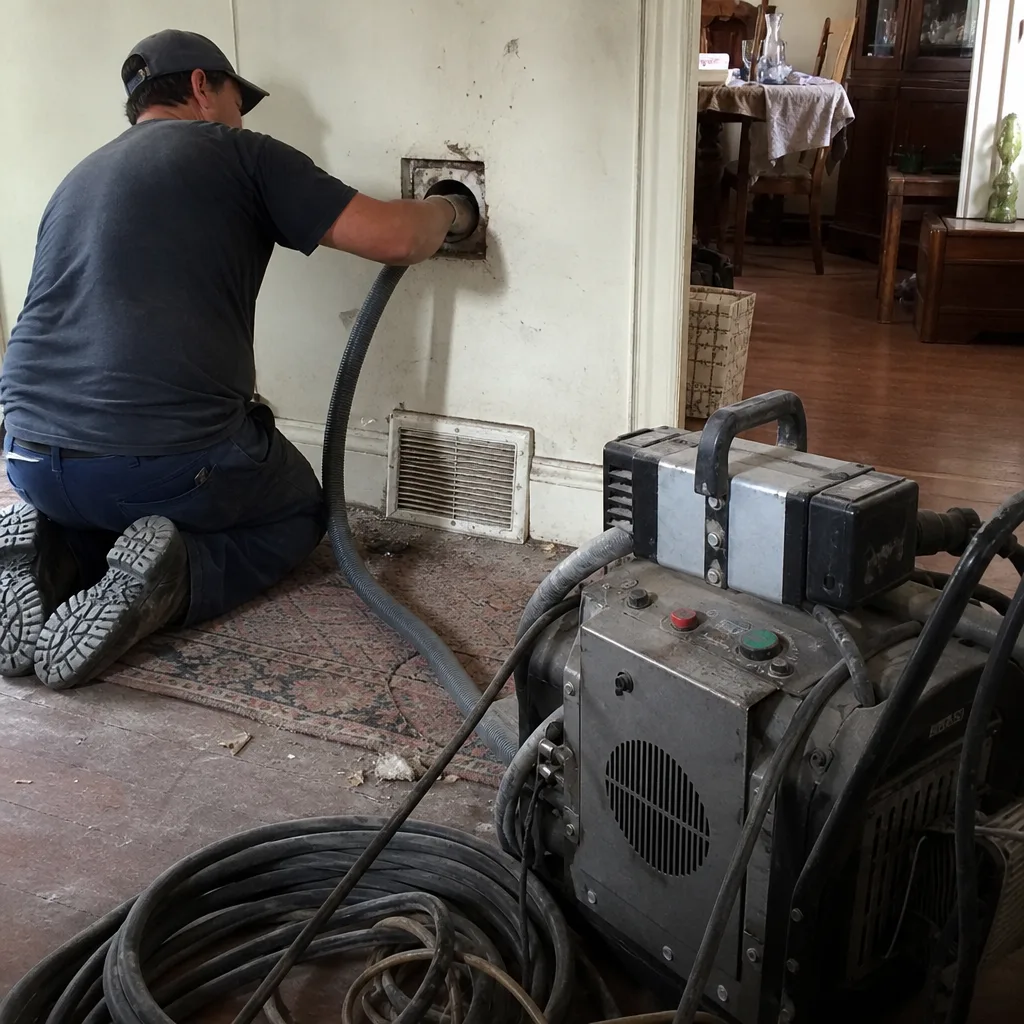 Before
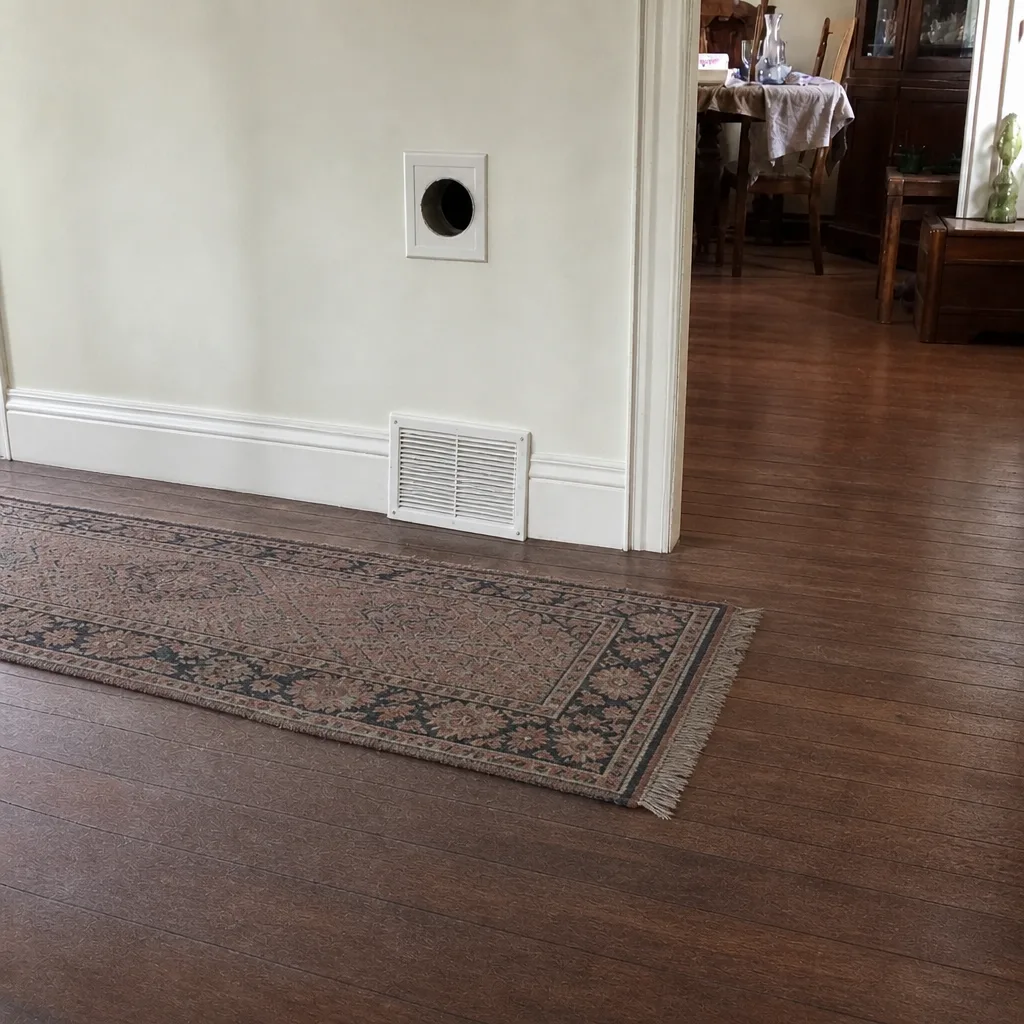 After
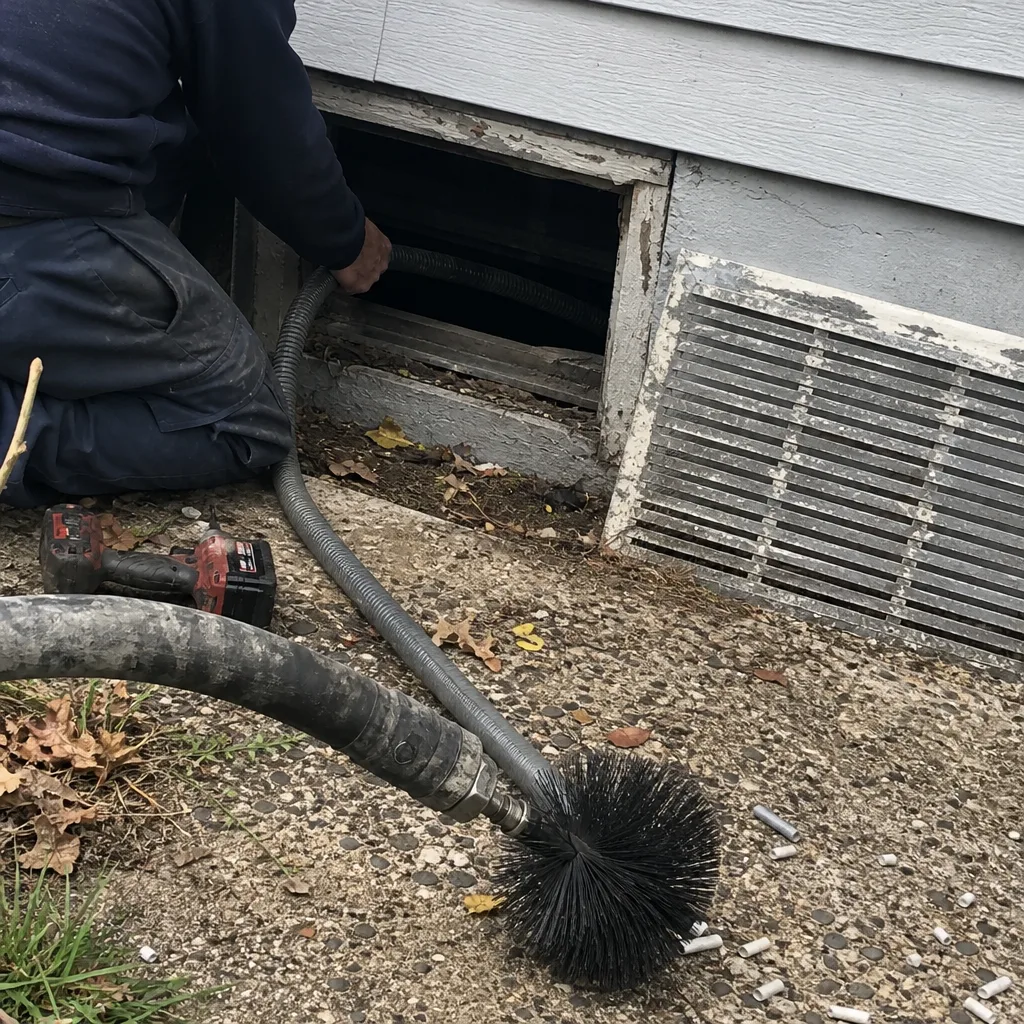 Before
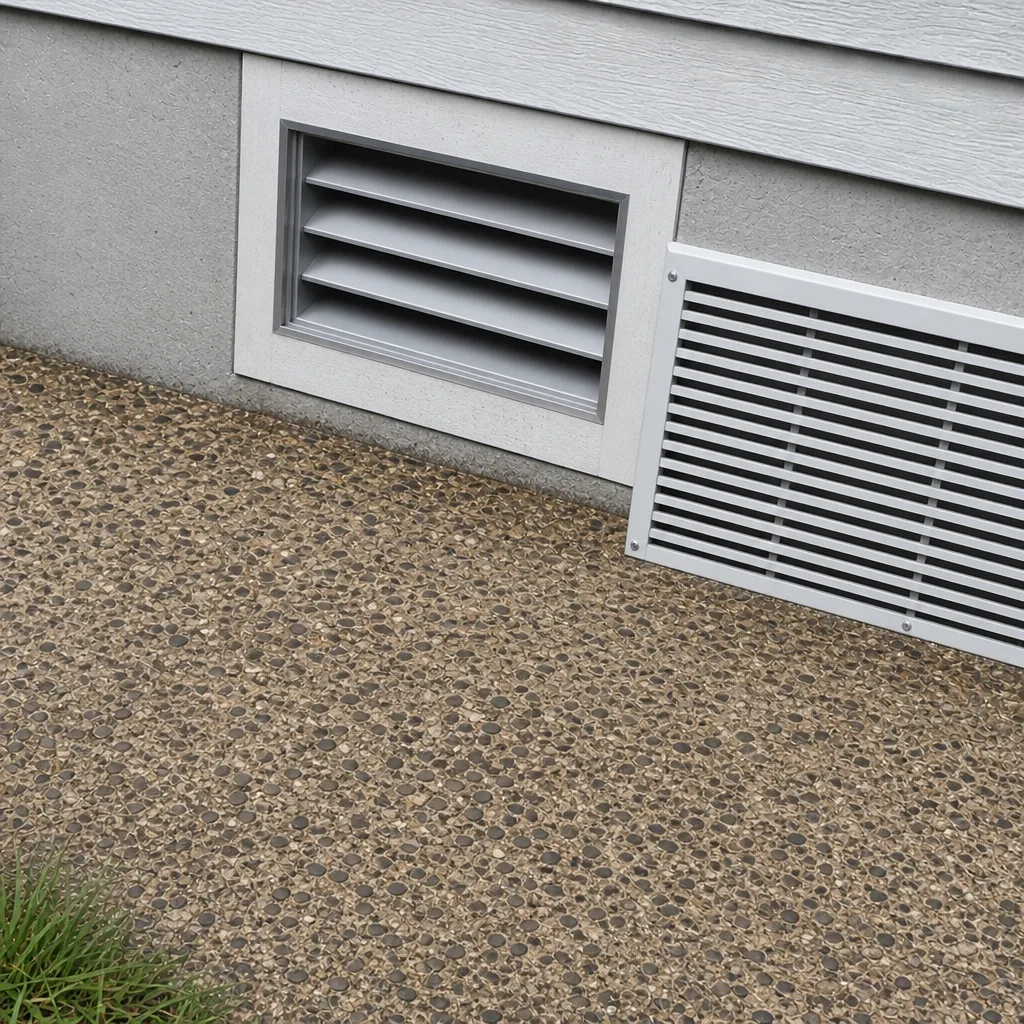 After
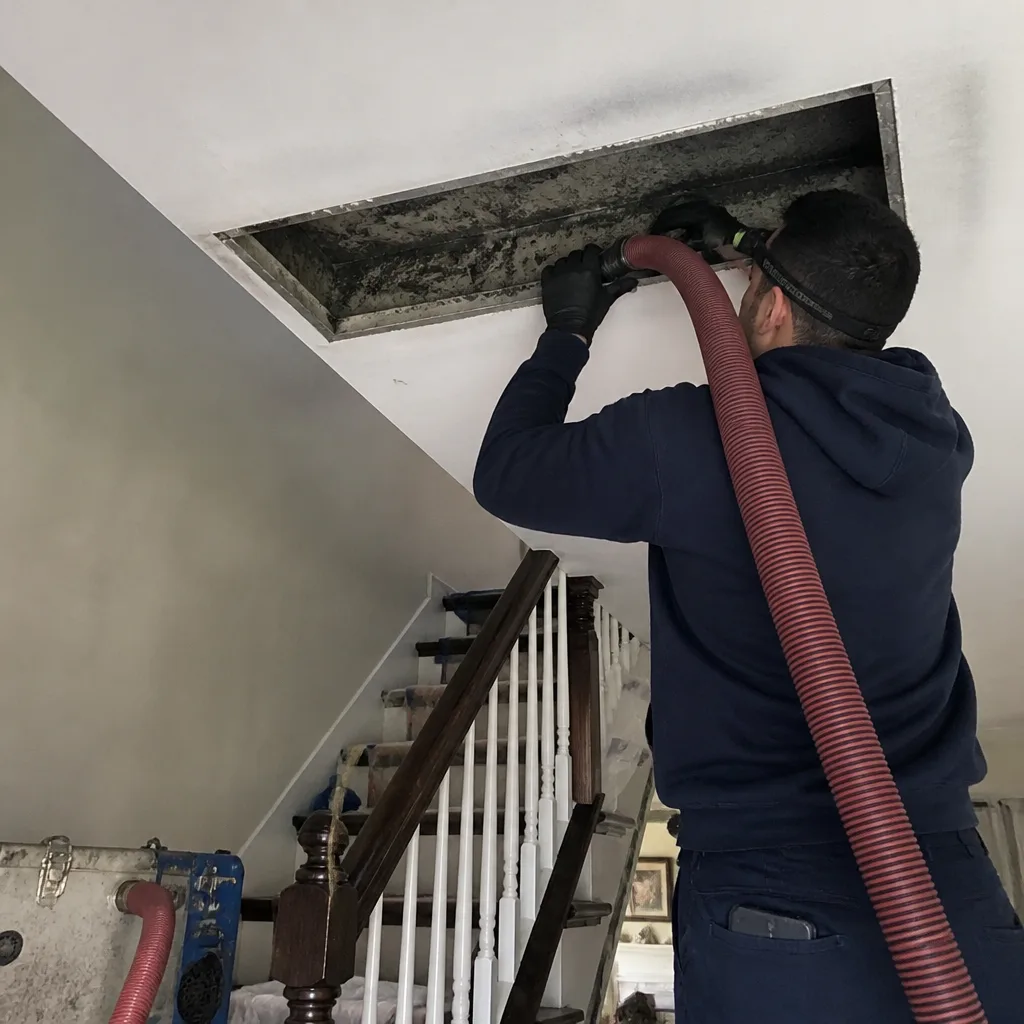 Before
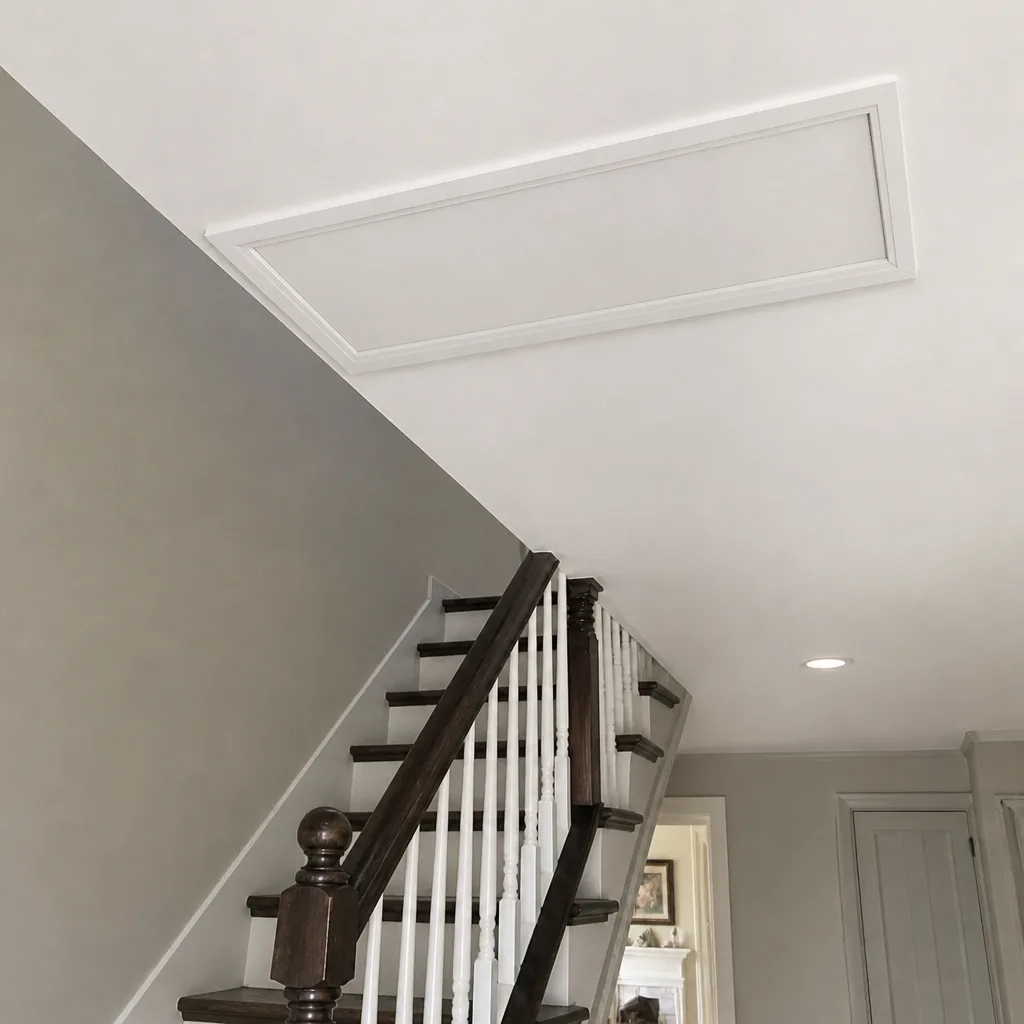 After
When to Call a Professional
Some duct work belongs with a shop vac and a weekend. Lint traps on a dryer, the surface around registers, the filter and coil area you can actually see. Everything past that point belongs with a trained professional, because the risk isn’t just an incomplete cleaning. It’s a torn flex connector, a dislodged return, or an electrical component disturbed by a moving agitator. Call a professional duct cleaning contractor if any of these are true in your Inwood home:
- The ducts have never been cleaned since the system was installed.
- There’s visible dust or debris at the supply registers or inside the returns.
- You smell musty or sour air when the HVAC runs.
- A renovation, water intrusion, or pest issue has passed debris through the system.
- Your dryer has taken longer and longer to dry a load of laundry.
- Anyone in the household has respiratory symptoms that track with the HVAC.
Air Duct Cleaning Inwood offers free estimates in Inwood. Call (855) 974-7305. We answer 24/7. Fast dispatch from 7am to 7pm, Sunday through Friday.
Frequently Asked Questions
Typical estimates in Inwood run from around $400 for a single-system apartment to $1,200 or more for a two-story home with two HVAC systems and extended duct runs, based on the number of trunks and branches, the access required, and whether sanitizing or duct sealing is included. The written estimate sets the final price; per-vent pricing isn’t used because it doesn’t reflect the actual scope of the job. Every price is agreed before work starts. Call (855) 974-7305 for a free estimate.
Cheap quotes are usually built around a shop vac and a hand brush, not negative-pressure equipment. The job takes less time, uses less gear, and gets priced low to win the click on a coupon site. One flat price per system agreed in writing, with before-and-after photos, is the honest version of the same transaction. If a quote feels suspiciously low, ask the three equipment questions from this guide and see what happens. Call (855) 974-7305 if you want a second estimate to compare.
You should be shown it. Before-and-after photos of your own ducts, video inspection of at least one trunk and one branch, and a written summary of what was found all prove the work. Without those, you’re trusting a verbal confirmation. We structure our jobs around those deliverables for that reason. Call (855) 974-7305 and ask what’s included in the report.
There’s no fixed interval. Ducts need cleaning when there’s evidence, not on a schedule: post-renovation dust, musty odors, visible debris at registers, or a system that’s never been serviced. Most Inwood homes sit years between legitimate cleanings, and short-circuiting that with an annual upsell sells a service the home doesn’t need. Call (855) 974-7305 and we’ll tell you honestly whether the timing is right.
No. Cleaning removes debris; sanitizing is a separate treatment applied after debris is gone, and it’s intended for surfaces where microbial growth was observed. Guardsman-grade products are the reference point we use, and the application should always follow the cleaning, never replace it. If a contractor offers “disinfection” as part of every job without asking about your system, that’s a line item, not a service. Call (855) 974-7305 to talk through whether sanitizing fits your situation.
Yes, if the wrong equipment is used. Prewar Inwood buildings often have sheet metal ducts with taped or mastic seams that don’t tolerate stiff brushes run at speed. A properly equipped crew inspects the system first, matches agitation to duct type, and isolates the air handler to protect the coils and blower. That’s why the equipment questions matter more than the quote. Call (855) 974-7305 for a free estimate and we’ll walk through your system before anything is scheduled.
They should tell you and, in a professional job, offer to fix it. Duct repair and sealing is a specific skill set: mastic where seams have opened, mechanical connections at dislodged collars, and re-sealing at boots where gaps have opened over time. Cleaning without repair just re-contaminates the system. If a contractor tells you “the cleaning will take care of it,” the answer is no. Call (855) 974-7305 and ask what the crew will do if they find a breach during the job.
The Bottom Line
Hiring a duct cleaning contractor in Inwood is not a price comparison. It’s an equipment and paperwork check. Ask the three questions (vacuum capacity, agitation method, video inspection), verify NADCA membership on NADCA’s site, get a written scope that names every component and states sanitizing and damage liability clearly, and require before-and-after media of your own system. A contractor who meets all four is safe to book. A contractor who resists any of them is a risk to your ductwork, and possibly to your HVAC equipment. The full air pathway is what you’re paying for: ducts, dryer vents, HVAC cleaning, duct repair and sealing, and air quality sanitizing, all handled by the same technician on the same visit.
How We Work
Air Duct Cleaning Inwood is built around professional-grade equipment, not shop-vac shortcuts. Our technicians have up to 8 years of experience and work with Rotobrush and Nikro duct cleaning systems and Abatement Technologies containment equipment, the same tools specified by NADCA-aligned professionals. We handle every link in the air pathway, from routine air duct cleaning to dryer vent cleaning, HVAC cleaning, duct repair and sealing, and air quality sanitizing with Guardsman-grade treatments. We work with Honeywell and Aprilaire systems and can integrate with existing controls. The process is simple: one flat price per system agreed in writing before work starts, before-and-after photos of your own ducts, and a satisfaction guarantee on the cleaning itself. No per-vent pricing, no surprise line items once the technician is on site. Estimates are free, and we’re happy to talk through what your Inwood system actually needs. The best way to start is to see the full scope of what Air Duct Cleaning Inwood offers, then call (855) 974-7305. We answer 24/7. Fast dispatch from 7am to 7pm, Sunday through Friday. Closed Saturday. A call outside dispatch hours is booked into the next opening, Sunday through Friday, 7am to 7pm.
Written by the team at Air Duct Cleaning Inwood.