
Last updated November 22, 2026
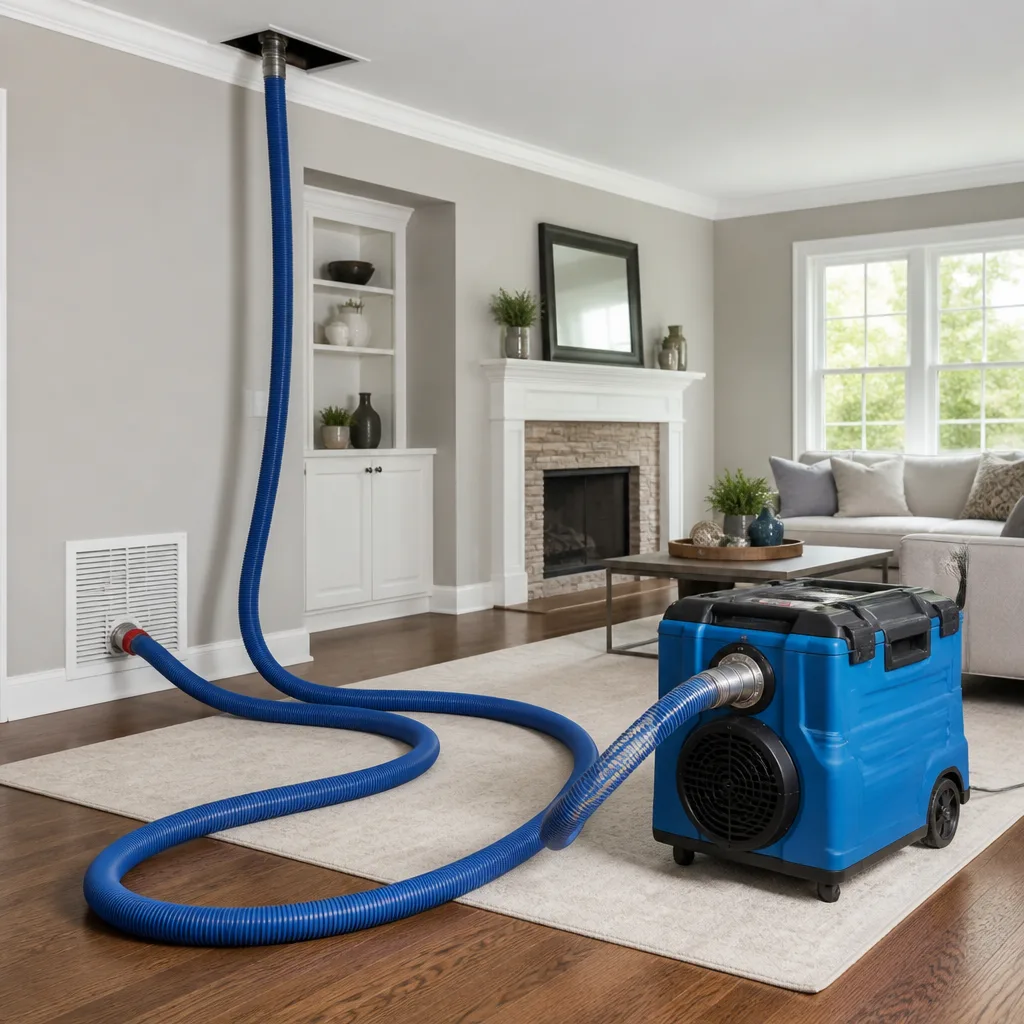 Whole-home duct cleaning
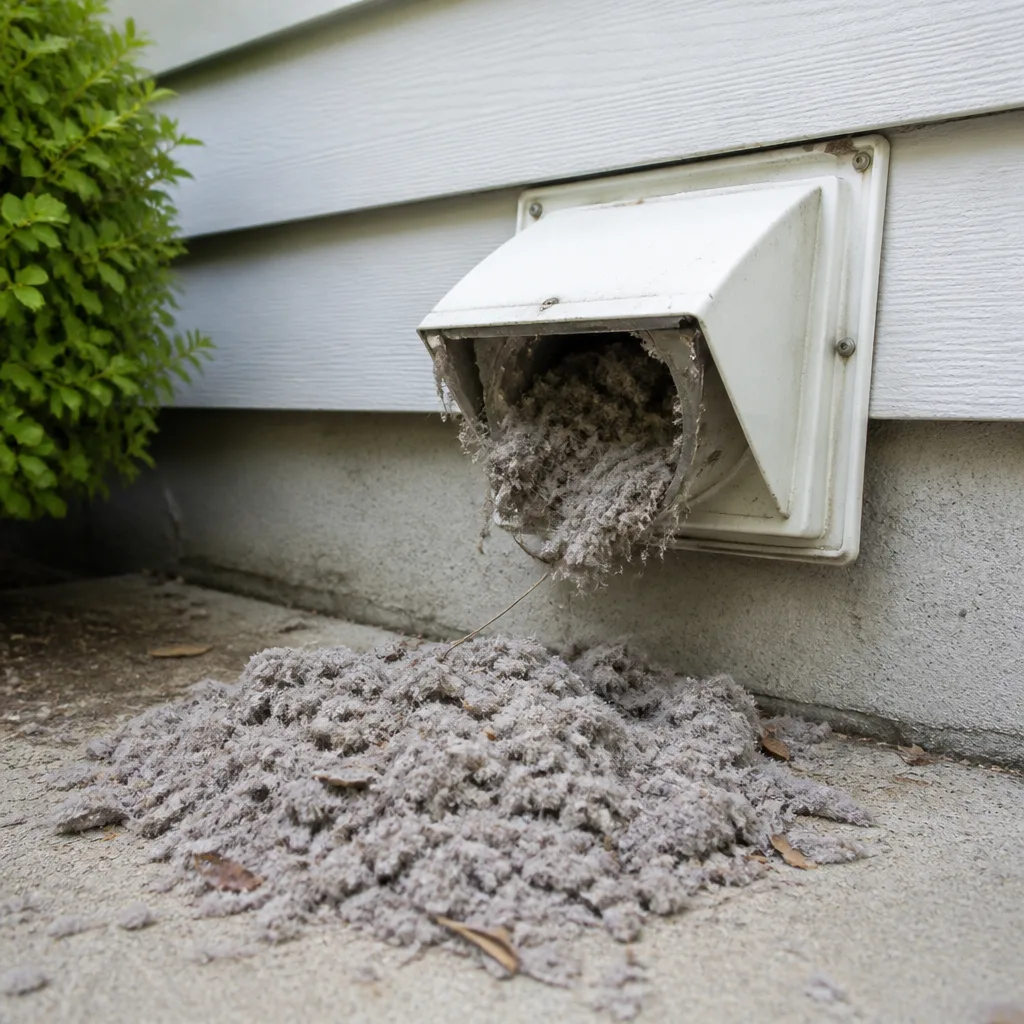 Dryer vent cleaning
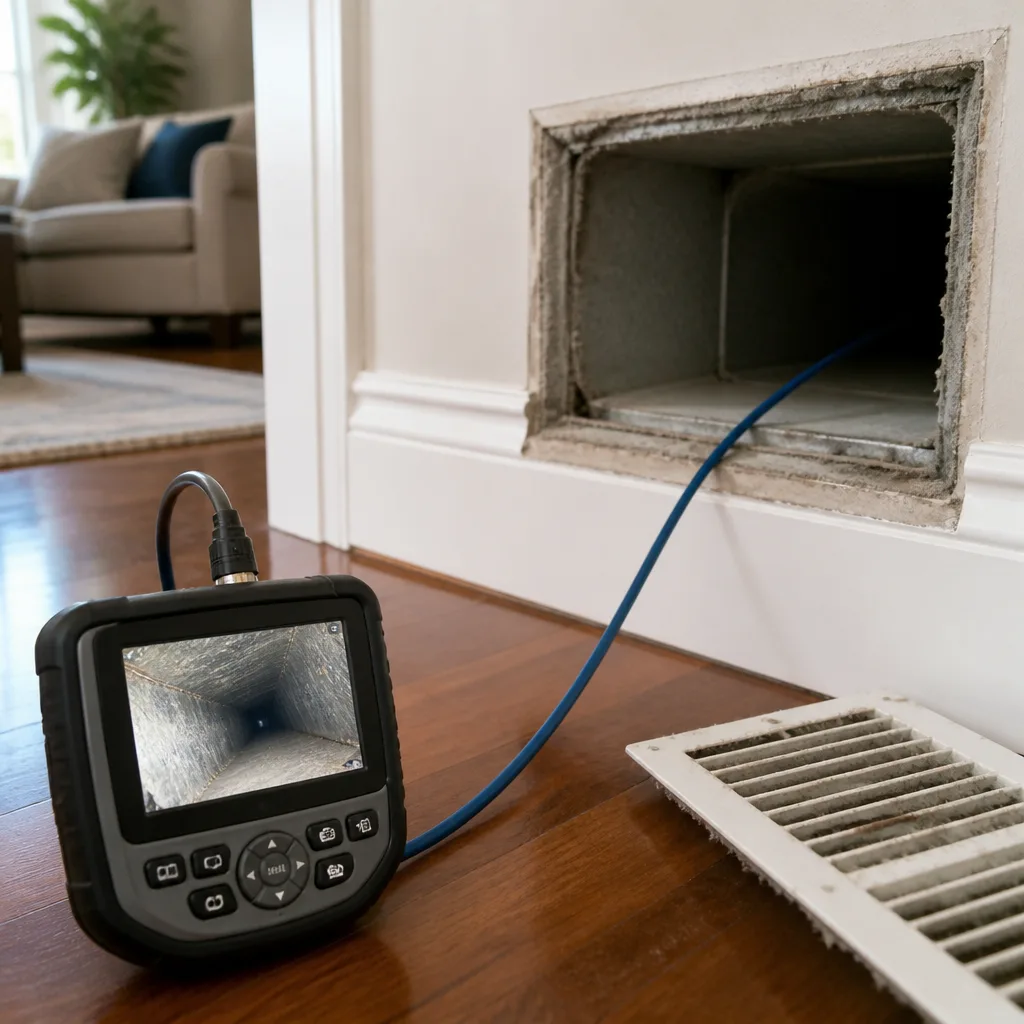 Camera inspection
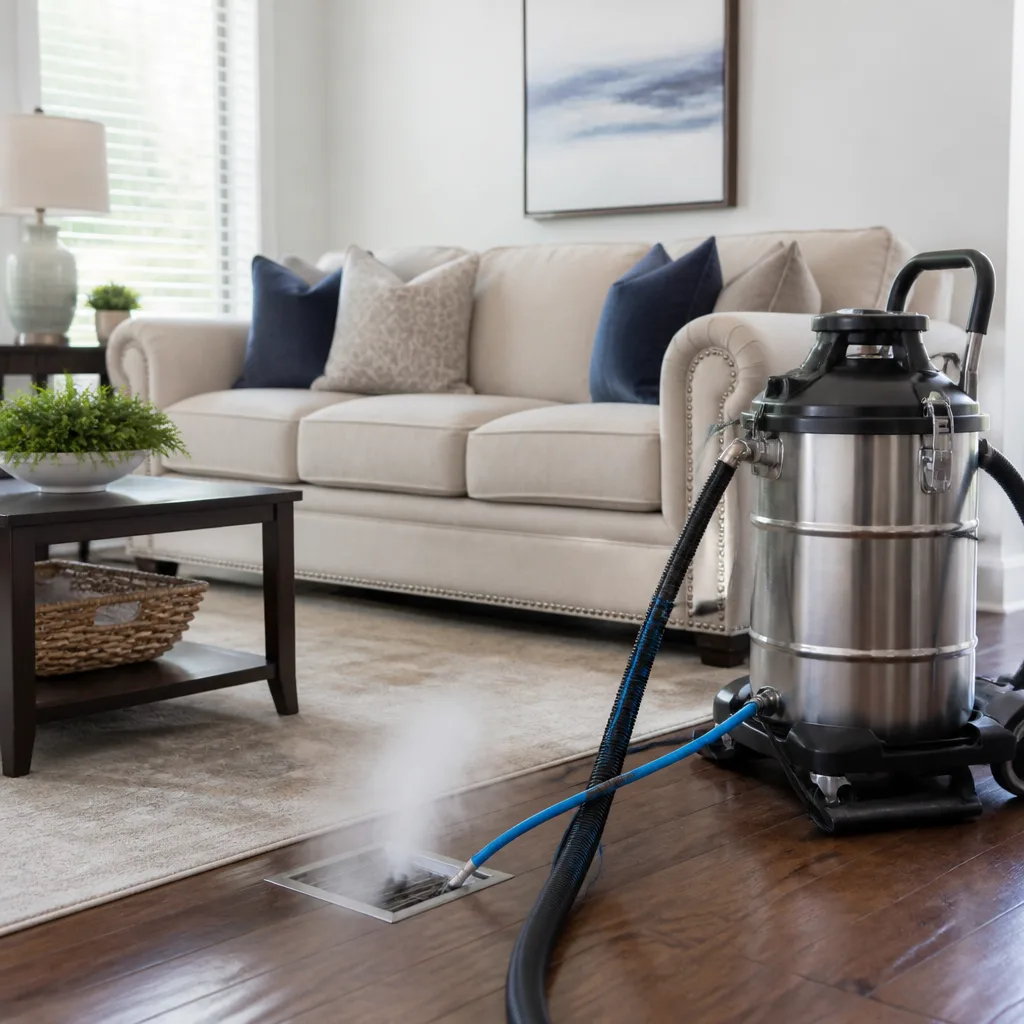 Sanitizing & deodorizing
Whole-system duct and dryer vent check with before-and-after photos - you see exactly what came out of your vents
That "$99 whole-house special" is a bait ad - the real number appears once they are in your hallway, or the "clean" is a shop-vac at the register. We photograph the inside of your ducts before and after instead.
Air Duct Cleaning Warning Signs: An Inwood Homeowner’s Reference Guide
A musty smell when the heat kicks on isn’t proof of mold. It could be a dirty evaporator coil, a wet duct liner, standing water in the drain pan, or actual mold growth, and each one needs a different fix. Most duct problems get misread because the symptom shows up in the wrong place. You smell something in the living room, but the cause sits in the return plenum. You dust a shelf twice a week, but the dust is entering downstream of the filter. This guide translates the specific things you notice in an Inwood home into the duct-system causes they usually point to, so you can act with precision instead of panic. What follows is what each warning sign means, how to check it without guessing, and when the answer is a professional assessment rather than a maintenance task.
Quick Answer
The main warning signs that air ducts need professional cleaning or inspection are: a musty or chemical odor that appears only when the HVAC runs, dust that resettles on surfaces within days of cleaning, rooms that stay several degrees different from the rest of the house, dark debris around supply registers, allergy or respiratory symptoms that track with HVAC operation, and visible dust streaks or disconnected duct runs in the basement or crawlspace. Any single sign is a reason to look closer. Two or more together usually means the problem is in the duct system itself, not in the room where you noticed it.
Styles & brands we work with
- Whole-home duct cleaning
- Dryer vent cleaning
- Camera inspection
- Sanitizing & deodorizing
Table of Contents
- What Does the Smell Tell You About Your Ducts?
- Why Does Dust Come Back So Fast After Cleaning?
- Uneven Room Temperatures: Why Thermostat Fixes Don’t Work
- What Is the Black Debris Around Your Registers?
- Health Patterns That Track With HVAC Operation
- How to Inspect Your Own Ducts Without Guessing
- Professional Equipment vs. a Shop-Vac: What Actually Changes
- Common Mistakes to Avoid
- When to Call a Professional
- Frequently Asked Questions
What Does the Smell Tell You About Your Ducts?
Different smells point to different parts of the system. If you can match the odor profile to its likely source before you call anyone, you’ll ask better questions and you won’t be sold a treatment you don’t need. Odor is the most useful diagnostic signal in a duct system because it travels the entire air pathway, from the return grille through the blower, across the coil, and out every supply register.
The four odor profiles and what they usually mean
- Musty or damp-earth smell. The most common cause is biological growth somewhere in the air pathway, but not necessarily in the ducts themselves. A dirty evaporator coil, a wet section of internal duct liner, or standing water in the condensate pan will all produce the same musty note. In a home with a basement or a duct run through unconditioned space, condensation on cold duct surfaces during humid months is a frequent contributor in Inwood and the surrounding neighborhoods.
- Burning or hot-dust smell at first heat of the season. Usually dust burning off the heat exchanger, which settles down after the system runs a while. If it persists past the first few cycles, or comes with a metallic or electrical edge, shut the system down and have it looked at. That’s a safety question, not a cleaning question.
- Chemical or solvent smell. Fresh paint, new flooring, or off-gassing building materials get drawn into the return and distributed. It’s not a duct defect, but it is a reason to think about filtration and ventilation rather than assume the ducts are dirty.
- Earthy, dusty smell with no moisture note. Typically plain accumulation: settled debris in the return and trunk lines that gets stirred up every time the blower starts. This is the smell that responds most directly to a proper cleaning.
One clarification matters here. Fabric softener and scented-candle residue can coat a blower wheel and produce a sweet or perfumed smell that many homeowners mistake for mold. That’s a surface cleaning issue on the blower, not a duct contamination issue. Getting the diagnosis right the first time saves you from paying for sanitizing you didn’t need, or skipping a coil cleaning you did. If the smell only appears when the fan runs and disappears when it’s off, that alone narrows the source to the air pathway rather than the room itself.
Why Does Dust Come Back So Fast After Cleaning?
If you dust a surface and it’s hazy again within three or four days, the dust isn’t coming from your registers. It’s almost always entering the system through a leak on the return side, downstream of the filter, and being pushed back into the rooms. Cleaning the ducts without finding that leak is the reason so many homeowners say “it didn’t help.”
How return-side leakage works
Your return ductwork operates under negative pressure. It pulls air back to the blower. Any gap, loose joint, or disconnected collar in that run pulls in whatever air surrounds it. If that gap sits in a basement, a crawlspace, an attic, or a garage ceiling cavity, you’re pulling in insulation fibers, construction dust, and outside particulate that never passes through the filter. The filter looks clean because the dirt never reached it. The registers look fine because the debris is being delivered to the room by volume, not concentrated at the vent.
- Check the filter first. If it’s clean but the house is dusty, the dust is bypassing filtration somewhere.
- Look at the return-side joints. Follow the large return trunk from the air handler back toward the grilles. Check every seam, collar, and taped connection you can reach.
- Look for settled dust on top of horizontal duct runs. A heavy layer on top of a duct in the basement means the surrounding air is dusty and the duct is likely drawing it in.
- Look for light lines or shadow gaps at connections. A visible gap at a collar is a leak, and it’s a repair issue rather than a cleaning one.
- Have the system pressure-checked if nothing is visible. Leaks in concealed runs need equipment to find.
This is exactly why duct repair and sealing belongs in the same conversation as cleaning. Our approach treats them as one job, because cleaning a leaking system just means the next round of dust arrives a few weeks later. Sealing the breach first, then air duct cleaning, gives you a result that holds.
Uneven Room Temperatures: Why Thermostat Fixes Don’t Work
A room that runs five or six degrees off from the rest of the house usually has a duct problem, not a thermostat problem. Replacing the thermostat changes how the system is told to run, not how much air reaches the room. If the supply feeding that room is collapsed, kinked, or no longer connected to the trunk, no thermostat setting will fix it.
The three duct causes behind a cold or hot room
- Collapsed flex duct. Flexible duct is easy to install and easy to crush. A run that got stepped on in the attic, pinched behind a finished wall, or bent past a sharp radius will choke off airflow. The room gets a trickle instead of a stream.
- Disconnected trunk or branch section. Duct sections come apart at joints, especially taped joints in unconditioned space that see temperature swings. When a branch separates from the trunk, the air goes into the attic or crawlspace instead of the room.
- Leaky joints along a long run. Air takes the path of least resistance. A run with several loose joints loses pressure before it arrives, so the far room gets the leftovers.
Inwood homes with older layouts often have a mix of original rigid duct and later flex additions, and the transition points between those two are where most problems hide. A room that was always fine and suddenly isn’t is a strong signal; that pattern points to something that changed, which usually means a disconnected or crushed run rather than a balanced system that needs adjustment. Bring a flashlight to the attic or basement and follow the run feeding that room from trunk to register. Look for crushed sections, disconnected collars, and any run that’s been stepped on or sat on by stored items. If the run is concealed, that’s the point where a camera inspection earns its keep. This is the kind of check that has real value for a property manager too: one disconnected trunk can make a whole unit feel like it has a bad HVAC system.
What Is the Black Debris Around Your Registers?
Dark staining around a supply register gets called “black mold” fast, and that’s not a reliable diagnosis. There are four common sources, and only one of them is biological. Before you call anyone, look at the pattern, the texture, and the location. Each points somewhere different.
- Soot. Candle burning, fireplace use, and improperly vented combustion appliances all produce fine black soot that gets pulled into the return and deposited at the register face. Soot wipes off with a white cloth and leaves a grey smear. If the staining is concentrated in one room where candles are burned regularly, that’s the likeliest source.
- Mold growth. Biological growth needs moisture, so look for the water source first. Condensation on a cold register boot during humid weather is a common trigger in Inwood. Mold typically shows as patchy spotting with a musty smell nearby, not a uniform dark film.
- Fiber degradation. Older internal duct liner and certain insulated flexible duct products break down over time. When the fiber sheds, it collects at the register as a black or grey fibrous residue. You can usually tell this apart because the material is fuzzy or lint-like rather than powdery.
- Standard accumulation. Plain old dust, held in place by slight condensation and static, settles dark around the edges of the grille. This is the most common cause and the least alarming.
A quick test: wipe the area with a clean white cloth. Soot leaves a grey smear, mold tends to lift in patches and may leave a stain behind, and fiber residue leaves visible lint. That tells you whether to call for cleaning, an HVAC moisture fix, or an air quality assessment. If the residue returns quickly after cleaning around the register, the source is upstream and the register face is just where it lands.
Health Patterns That Track With HVAC Operation
The most useful health signal isn’t the symptom itself, it’s the timing. If congestion, sneezing, or eye irritation gets worse during the hours the HVAC system runs, and eases on days the system stays off, that pattern points at the air pathway. It’s a correlation worth investigating, not a diagnosis.
What a temporal pattern suggests
When symptoms track with system operation, the likely causes are airborne particulate being circulated (settled dust, pollen concentrated by an intake, fiber debris), biological growth somewhere in the pathway (coil, wet liner, drain pan), or a filtration gap that lets particulate through. The distinction matters because those three need different responses: cleaning, sanitizing, and filtration upgrades respectively. A doctor can speak to medical questions; we can speak to what’s in the air path and what it takes to address it.
- Symptoms worse in specific rooms. Points to the supply run feeding that room, or that room’s return path.
- Symptoms worse first thing after the system starts. Points to settled debris being disturbed. This is the classic pattern for a dirty trunk line.
- Symptoms worse in humid months. Points toward moisture and biological growth, which is a coil, liner, and drain pan conversation as much as a duct one.
- Symptoms present even when the system is off. That points to something other than the duct system, which is worth knowing before you spend money on cleaning.
For a home where odor, moisture, and symptoms all show up together, air quality sanitizing is often the right layer on top of cleaning. We work with Guardsman-grade sanitizing treatments alongside Honeywell and Aprilaire-compatible filtration so that the fix targets particulate and biological growth at the source. Sanitizing only makes sense after the source is identified and the surfaces are clean. Spraying a dirty coil just seals the dirt in.
How to Inspect Your Own Ducts Without Guessing
A flashlight walkthrough gets you most of the way. You don’t need to open the system. You just need to know where to point the light and what you’re looking at. This takes about twenty minutes in a typical Inwood basement-and-upper-floor layout.
- Start at the filter. Pull it and hold it up to the light. If it’s clean while the house is dusty, that’s a bypass signal.
- Check the return grilles. Dust streaks radiating out from the grille face mean air is being pulled through a gap around the frame rather than the grille.
- Follow every visible run. In the basement, attic, and crawlspace, walk each duct run from the trunk to the register. Look for crushed flex, disconnected collars, and tape that has come loose.
- Look inside the return plenum with a light. If you can see debris piled at the bottom of the plenum, the return line has a real accumulation problem.
- Check the condensate pan and drain. Standing water or slime in the pan is a moisture source that will feed biological growth upstream.
- Look at the evaporator coil if it’s accessible. A matted, grey coil face means the coil needs cleaning, even if the ducts look fine.
- Note the temperature difference by room. A simple thermometer check in each room over a few days tells you whether airflow is uneven and which room to trace first.
What you’re looking for isn’t a judgment call about dirt levels. It’s a record of what you found: the leaking joint, the crushed run, the wet pan. That record makes the conversation with a professional concrete. And there are limits. A camera inspection sees what a flashlight can’t, and anything that involves opening the air handler, the coil cabinet, or any electrical or gas component should be handled by a trained technician.
Professional Equipment vs. a Shop-Vac: What Actually Changes
The equipment difference isn’t cosmetic. A consumer vacuum or a shop-vac removes some surface debris and leaves the rest. Professional systems agitate the duct walls, establish controlled negative pressure, and capture what’s released. On a job where the goal is to actually remove accumulated debris from a full duct system, that difference is the whole job.
What the tool names actually mean
Rotobrush and Nikro systems are the equipment stack specified by NADCA-aligned professionals, and they’re what our technicians bring to a job in Inwood. Rotobrush systems use a rotary brush that agitates duct surfaces while a vacuum captures the debris in a sealed system. Nikro systems provide the high-capacity negative pressure that keeps debris from escaping into the living space. Abatement Technologies equipment adds containment and HEPA filtration, which is the difference between “we removed some dust” and “we captured the whole load inside the system.”
Containment matters more than most homeowners realize. Without controlled negative pressure, agitating a dirty duct releases particulate into the room. That’s the reason some people report feeling worse after a cheap cleaning. The equipment has to capture what the agitation frees.
The full air pathway is where the coverage question lives. Ducts, dryer vents, HVAC equipment, sealing and repair, and sanitizing are all part of one system. If a contractor cleans the ducts and leaves the coil dirty, the coil becomes the source again. If they clean the supply side and ignore the return leak, the dust comes back. One call covering the whole pathway is how HVAC cleaning and duct work stay in step with each other instead of being sold as separate problems, and it’s how dryer vent cleaning fits in too. A clogged dryer vent is one of the leading causes of residential fires, and it’s often sitting a few feet from the ducting that already needs attention.
Common Mistakes to Avoid
- Assuming a smell means mold. It could be a dirty coil, a wet liner, or standing water in the drain pan. Getting the diagnosis right first is what prevents paying for mold remediation you don’t need.
- Cleaning the ducts without fixing the return-side leak. Dust that returns within a week of cleaning is a leak symptom. Cleaning without sealing just resets the clock.
- Replacing the thermostat to fix an uneven room. A collapsed flex run or disconnected trunk will stay cold no matter what the thermostat says. Trace the run before you replace the control.
- Hiring a crew that brings a shop-vac and a coupon. Households on tight budgets are the most exposed to low bid bait-and-switch, where a small display cleaning becomes a much larger invoice once the technician is on site. Ask what equipment is used and insist on a flat price per system agreed before work starts.
- Skipping the dryer vent because the ducts “looked fine.” The dryer vent is a separate fire-safety concern and is frequently the most neglected run in an Inwood home. It doesn’t share the furnace’s filter.
- Spraying sanitizer before cleaning. Sanitizing a dirty surface seals debris in place. Cleaning has to come first, then treatment.
- Dusting the shelves and calling it a maintenance plan. Surface cleaning doesn’t touch the source. If the dust returns within days, the source is upstream in the system.
When to Call a Professional
Call when you see two or more of the signs above together, when the smell tracks with system operation and doesn’t clear, when a room has lost airflow without a thermostat change, when you see visible debris or a disconnected run in the attic or basement, or when you’re moving into an Inwood home and don’t know when the ducts were last serviced. Those are all reasons for an assessment rather than a home project.
There are some things you shouldn’t handle yourself: anything that requires opening the air handler, the coil cabinet, or any component connected to the electrical or gas system. Those carry real danger and belong with a trained technician. A flashlight walkthrough is fine. Opening a gas-fired air handler is not.
Air Duct Cleaning Inwood offers free estimates in Inwood. The local pro is licensed and insured as their state requires. We give one flat price per system agreed before work starts, take before-and-after photos of your own ducts so you see the difference before we leave, and back the work with our satisfaction guarantee. Call (855) 974-7305.
Frequently Asked Questions
Cost depends on the number of systems, the length of the duct runs, and whether repair or sealing is involved. The fair way to price it is per system, agreed before work starts, not per vent and not from a coupon headline. Any quote that changes once the technician is on site is a quote that wasn’t real. Call (855) 974-7305 for an exact quote. Estimates are free.
Cheap quotes usually price a display cleaning of the visible registers rather than a full system, or they quote low and add charges on site once the equipment is out. Neither reflects the actual work, and both leave the return line, the trunk, and the coil untouched. One flat price per system agreed in advance is the only quote that holds. Call (855) 974-7305 for a straight quote. Estimates are free.
You should see evidence of your own system before and after, not a generic stock photo. That means photos of your ducts, your plenum, and your coil face, taken on the job. If a contractor can’t show you that, you have no way to know what was removed. Call (855) 974-7305 and ask what documentation you’ll get. Estimates are free.
There’s no fixed schedule that fits every Inwood home. A well-sealed system with good filtration can go years. Homes with pets, recent renovation dust, a humid basement, or a known return leak need it sooner, and the warning signs listed in this guide are a better trigger than a calendar. If you’re seeing two or more signs, that’s your answer. Call (855) 974-7305 for an assessment. Estimates are free.
No. A musty smell can come from a dirty evaporator coil, a wet section of duct liner, standing water in the drain pan, or biological growth in the ducts themselves, and each has a different fix. The pattern of when the smell appears is what narrows it down. Call (855) 974-7305 if you want the source identified before anyone starts spraying sanitizer. Estimates are free.
No. A shop-vac pulls some loose surface debris and can’t agitate the duct walls or hold controlled negative pressure, so it disturbs particulate without capturing it. Professional systems like Rotobrush, Nikro, and Abatement Technologies are built to do both. If the system genuinely needs cleaning, the equipment is the job. Call (855) 974-7305 to talk through what your system needs. Estimates are free.
Dust burning off the heat exchanger at the start of the season is common and settles after a few cycles. A burning smell that persists, or that has a metallic or electrical edge, is a safety concern: shut the system down and have a trained technician inspect it before running it again. That’s a call we’d make today. Call (855) 974-7305. We answer 24/7. Fast dispatch from 7am to 7pm, Sunday through Friday.
The Bottom Line
The warning signs themselves aren’t the problem. Misreading them is. A musty smell points to moisture somewhere in the air pathway. Fast-returning dust points to a return-side leak. A cold room points to a crushed or disconnected run. Dark residue around a register points to one of four sources, and only one of them is mold. Read each sign as a direction rather than an alarm, check what you can with a flashlight, and call when two or more signs line up. Our technicians have up to 8 years of experience, we run professional-grade Rotobrush and Nikro equipment, and we cover the whole air pathway so nothing gets left behind.
Ready to find out what’s actually in your duct system? Call Air Duct Cleaning Inwood at (855) 974-7305 for a free estimate.
You can read more about our services on our Air Duct Cleaning Inwood page, and if you’re dealing with a fire-safety concern alongside the ducts, our dryer vent cleaning page covers what that job involves.
Written by the team at Air Duct Cleaning Inwood.
See the difference
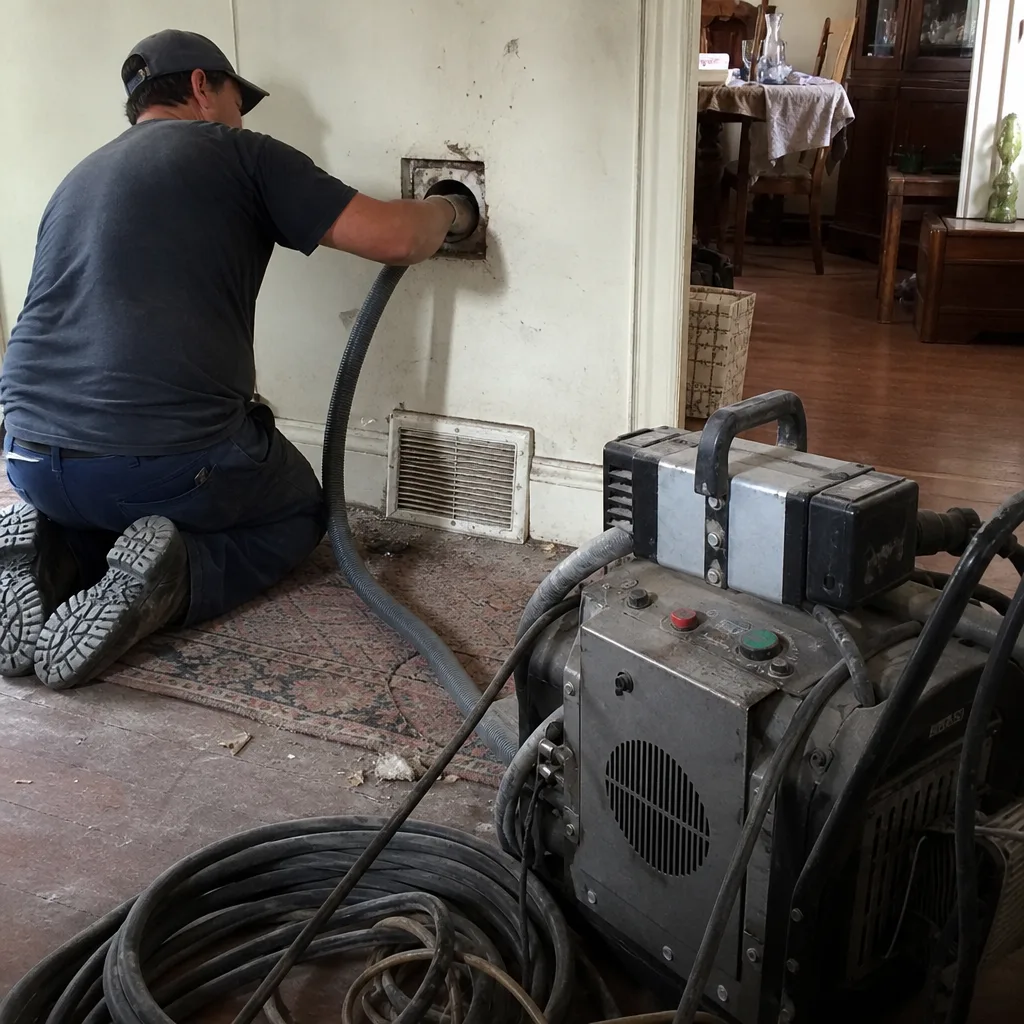 Before
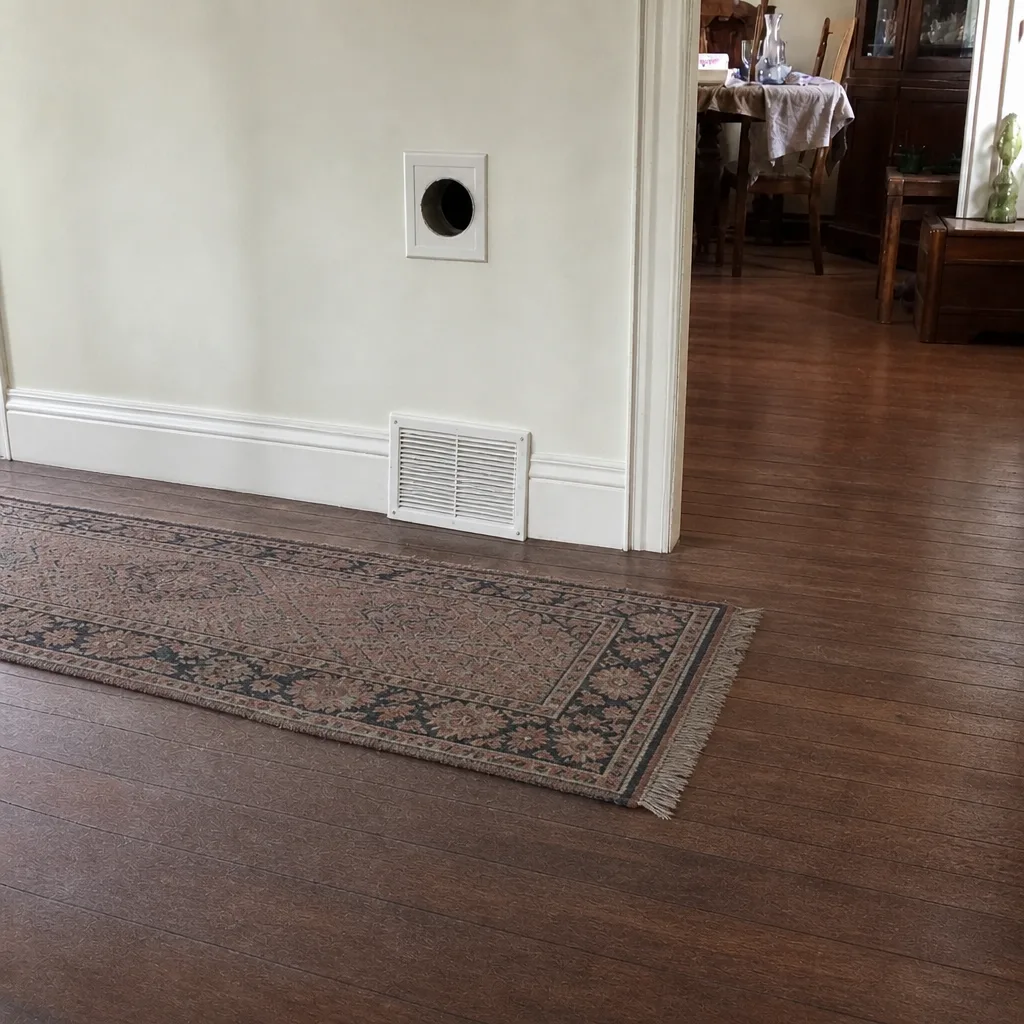 After
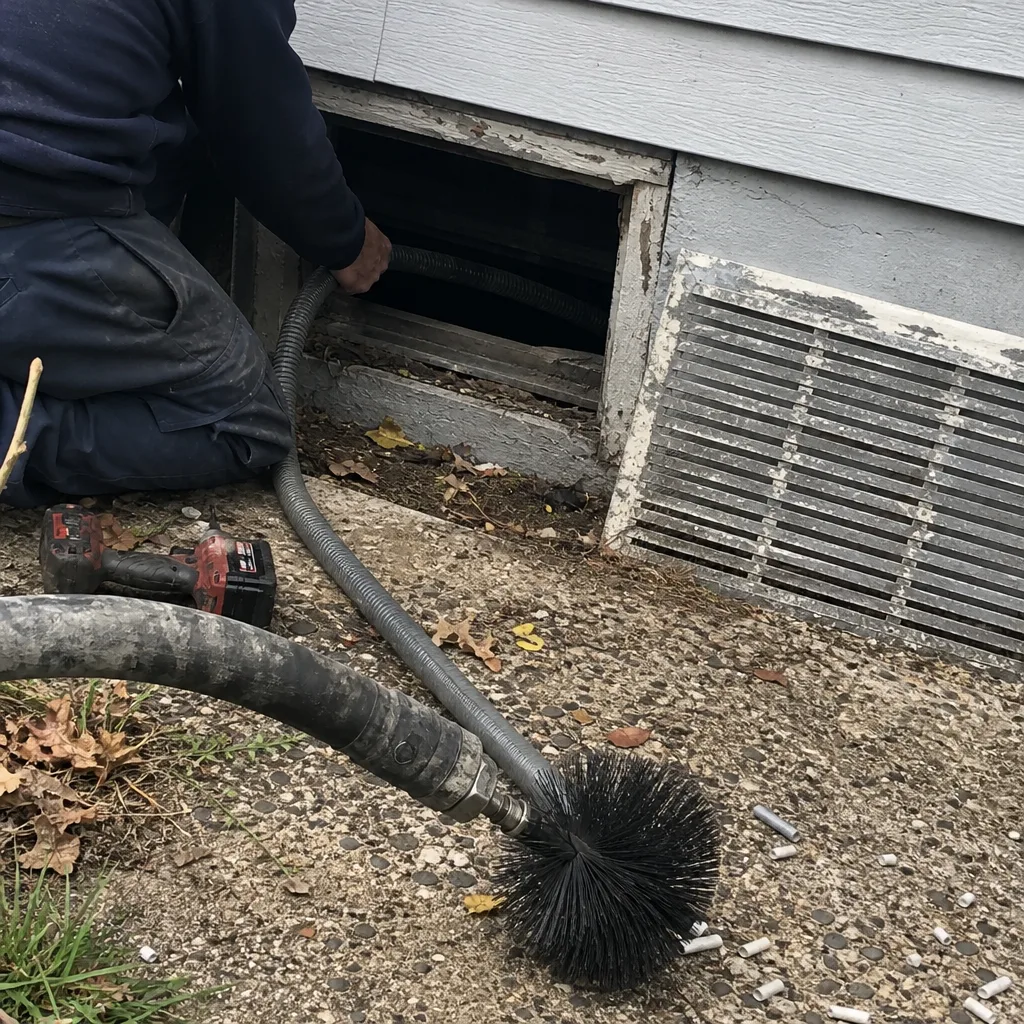 Before
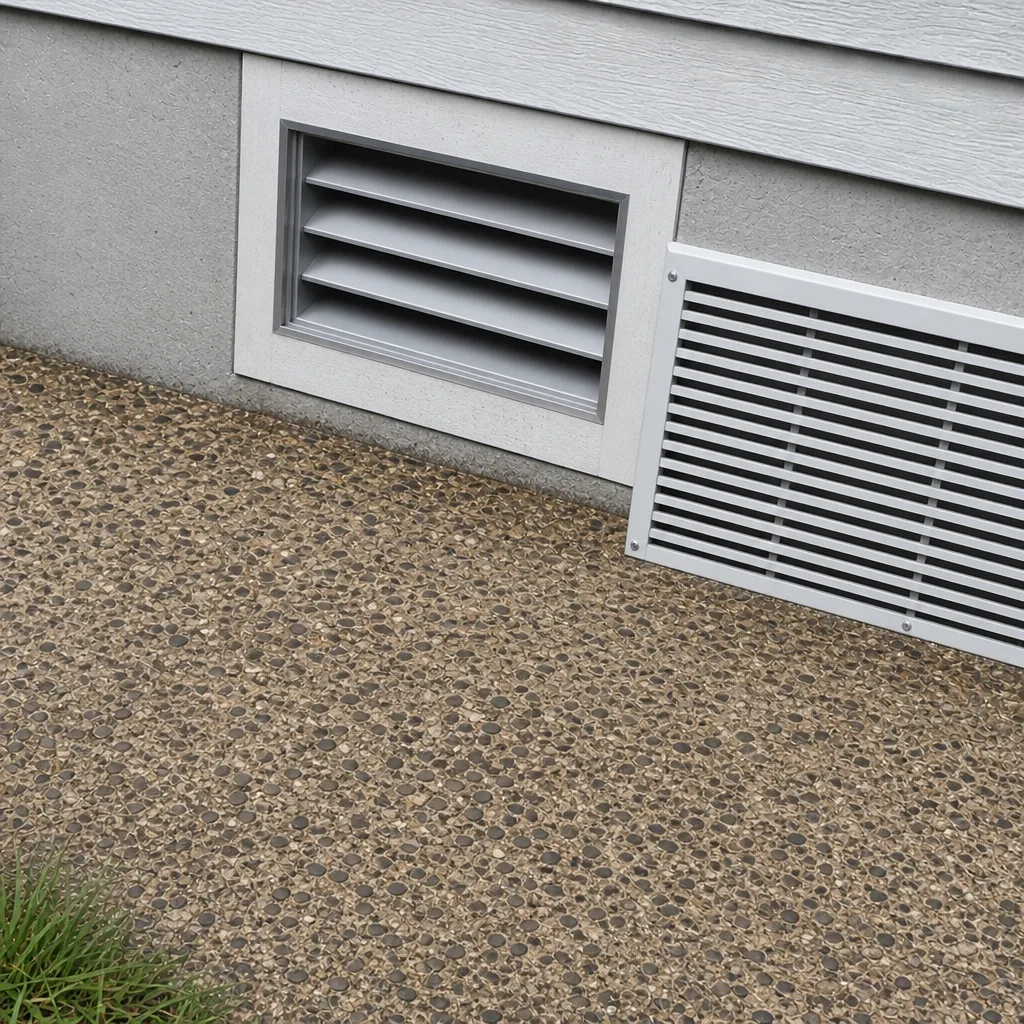 After
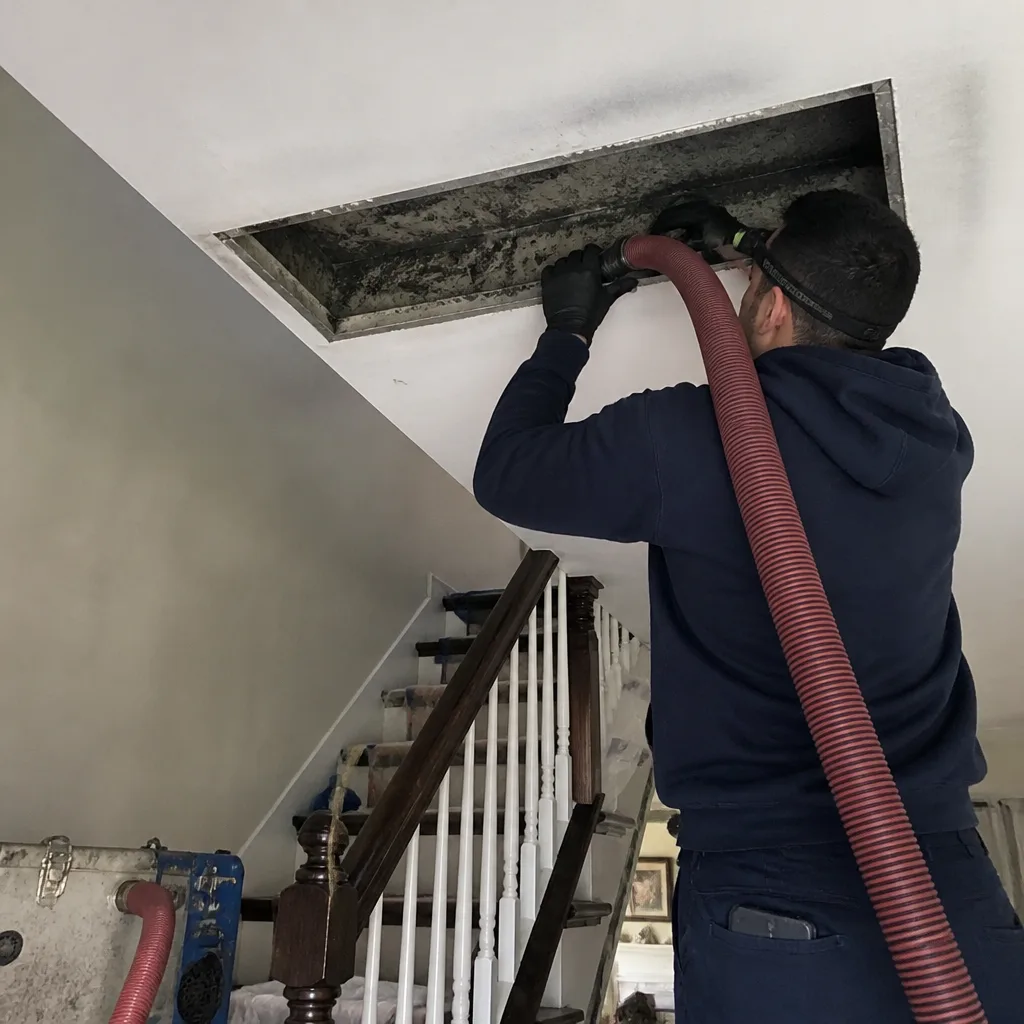 Before
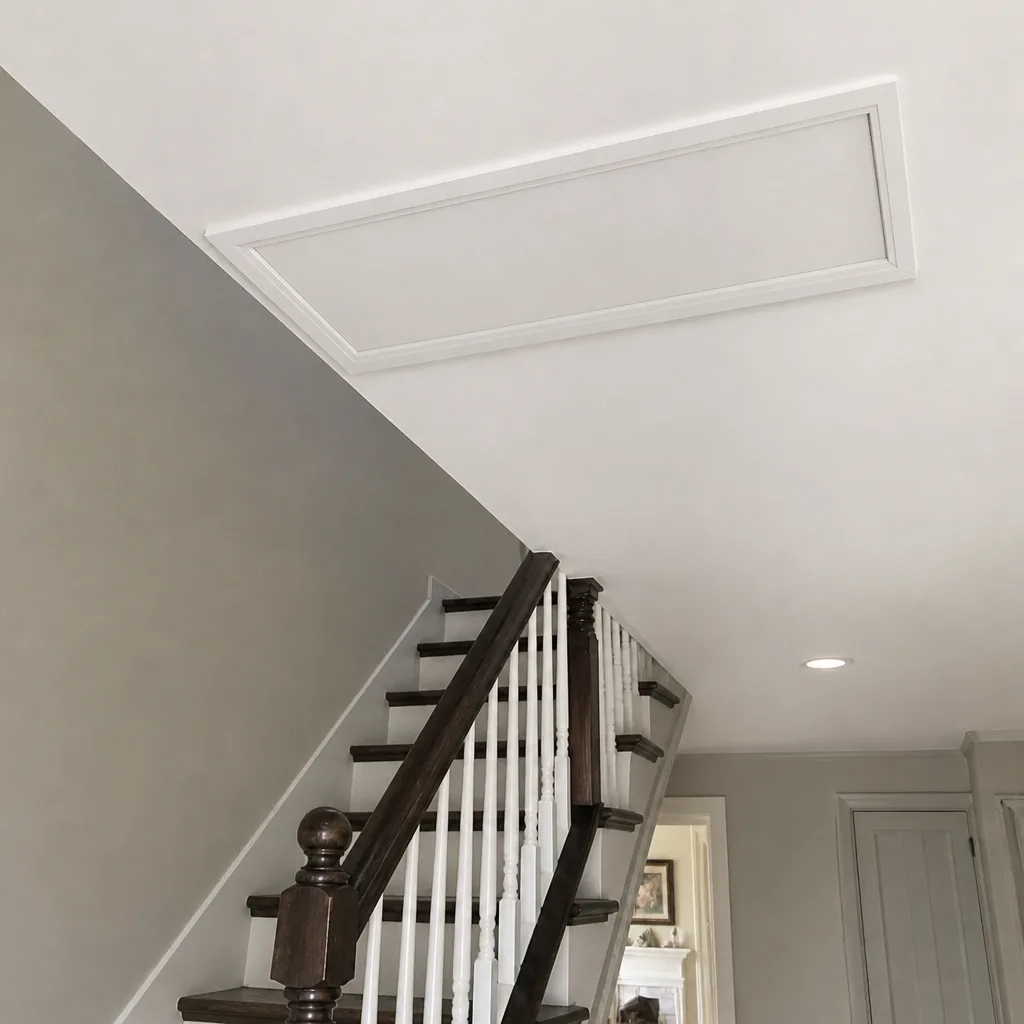 After